Inboard drum brakes remain a fundamental component in many automotive braking architectures, providing the necessary friction and thermal management required for reliable stopping power. As vehicle weights increase due to electrification and advanced driver-assistance systems (ADAS), the mechanical stress on braking components has reached unprecedented levels.
Understanding the intersection of metallurgy and mechanical engineering is essential for anyone involved in the automotive supply chain. The efficacy of a braking system is not merely determined by the pad material, but by the structural stability of the drums and discs that facilitate heat dissipation and friction.
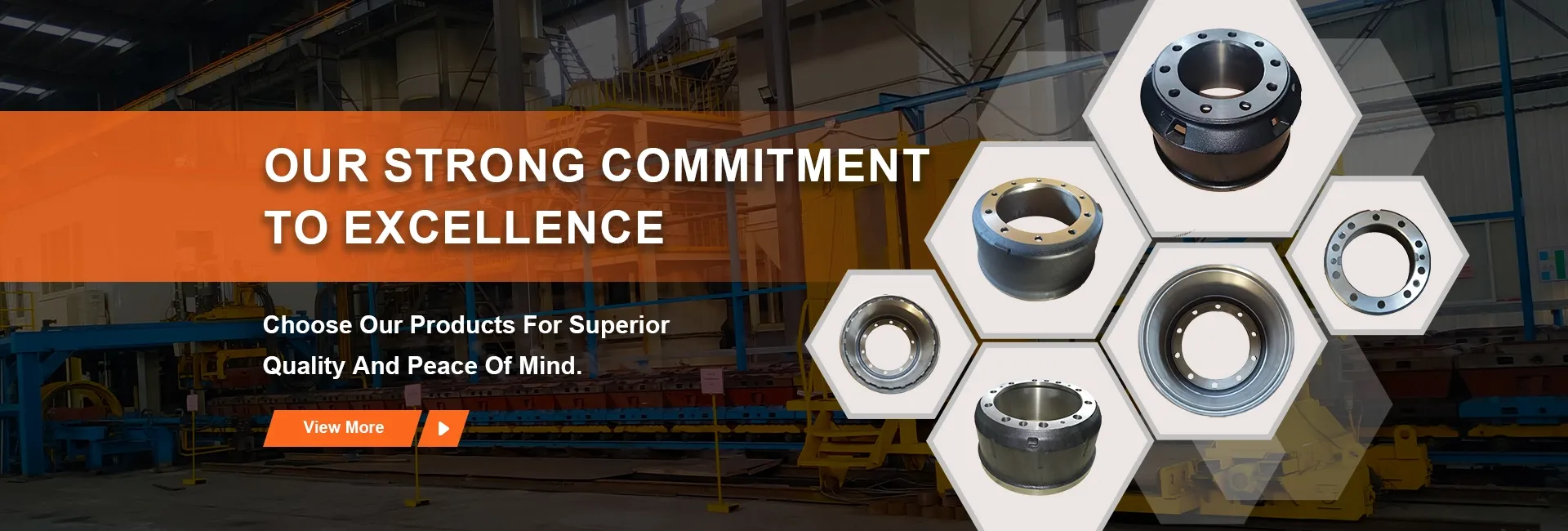
The Challenges of Thermal Fatigue in Casting
One of the primary pain points in modern automotive engineering is thermal fatigue. During heavy braking cycles, kinetic energy is converted into intense heat. If the casting material lacks uniform density or contains microscopic impurities, the resulting thermal expansion can lead to warping, cracking, or catastrophic failure.
To combat this, manufacturers have moved toward advanced CNC machining and precise smelting processes. Utilizing spectrometers and hardness testers during the production phase ensures that the chemical composition of the iron or alloy is consistent, which is the backbone of long-lasting automotive parts.
Supply Chain Reliability and Quality Standards
For distributors and maintenance professionals, the ability to upgrade drum brakes with components that meet ISO/TS16949 standards is critical for maintaining fleet safety. The complexity of modern logistics means that the quality of the underlying material supply chain determines the end-user's experience.
Key Metrics for Evaluating Brake Component Suppliers:
- Metallographic consistency through advanced microscope analysis.
- Precision in CNC vertical lathe machining for exact tolerances.
- Dynamic balancing capabilities to prevent vibration.
- Strict adherence to international automotive certification protocols.
Future Trends: Automation in Automotive Casting
As we look toward the next decade, the integration of automated paint lines and smart testing equipment—such as tensile testing machines and automated dynamic balancing—is becoming the industry standard. Companies like Hebei Ningchai Machinery Co., Ltd. exemplify this shift, utilizing high-output electric smelting and automated systems to meet the diverse demands of global markets across Europe, Russia, and Asia.
The ability to produce hundreds of thousands of specialized castings annually requires a delicate balance of high-volume output and uncompromising quality control. For the automotive industry, the goal remains clear: safer, more durable, and more efficient braking solutions through superior engineering and material science.
