Understanding brake block material composition is essential for any vehicle owner or fleet manager looking to optimize safety. As modern vehicles become heavier due to electrification and advanced driver-assistance systems (ADAS), the kinetic energy that must be dissipated during braking has increased exponentially.
The shift from traditional asbestos-based linings to high-performance semi-metallic and ceramic compositions represents one of the most significant leaps in automotive engineering. This transition wasn't just about environmental compliance; it was about managing the extreme thermal loads generated during high-speed deceleration.
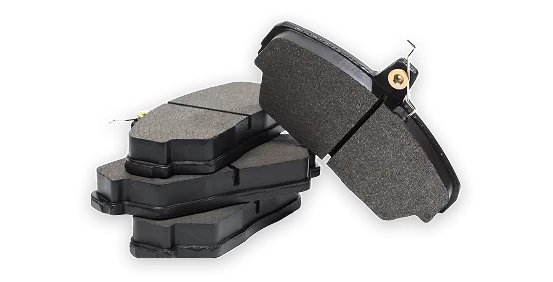
Thermal Management and Friction Stability
When a driver applies the brakes, friction converts kinetic energy into thermal energy. If this heat is not managed efficiently, "brake fade" occurs—a dangerous phenomenon where the coefficient of friction drops, significantly increasing stopping distances. Modern engineering solves this through unique ventilation structures within the pads and advanced friction formulas that maintain stability even at temperatures exceeding 400 degrees Celsius.
Key Factors in Braking Performance:
- Heat Dissipation: The ability of the material to move heat away from the rotor surface.
- Noise Optimization: Reducing high-frequency vibrations that cause "squealing."
- Environmental Impact: Moving toward copper-free and eco-friendly chemical binders.
The Economic and Technical Balance
For logistics companies and commercial fleet operators, the decision-making process often involves balancing longevity with upfront costs. When analyzing the disc brake liner price against the total cost of ownership, the value of durability becomes clear. A more expensive, high-quality liner that lasts twice as long as a budget alternative reduces downtime and labor costs for replacements.
Furthermore, the precision of manufacturing processes plays a vital role. Advanced manufacturing ensures that every unit produced meets strict tolerances, providing the consistent pedal feel that drivers rely on in emergency situations. This reliability is the bedrock of modern automotive supply chains, where companies like Kaiyuan Auto Parts Co., Ltd. provide the underlying material expertise that supports global vehicle safety standards.
Future Trends: The Move Toward Green Braking
As global regulations tighten regarding particulate matter emissions, the industry is pivoting toward "green" friction materials. These new formulations aim to reduce the dust produced during braking without compromising the structural integrity of the brake shoe or pad. The integration of sustainable materials is no longer an option—it is a requirement for the next generation of automotive manufacturing.
Disclaimer: This article is for educational purposes regarding automotive material science and does not constitute mechanical advice.
