Introduction
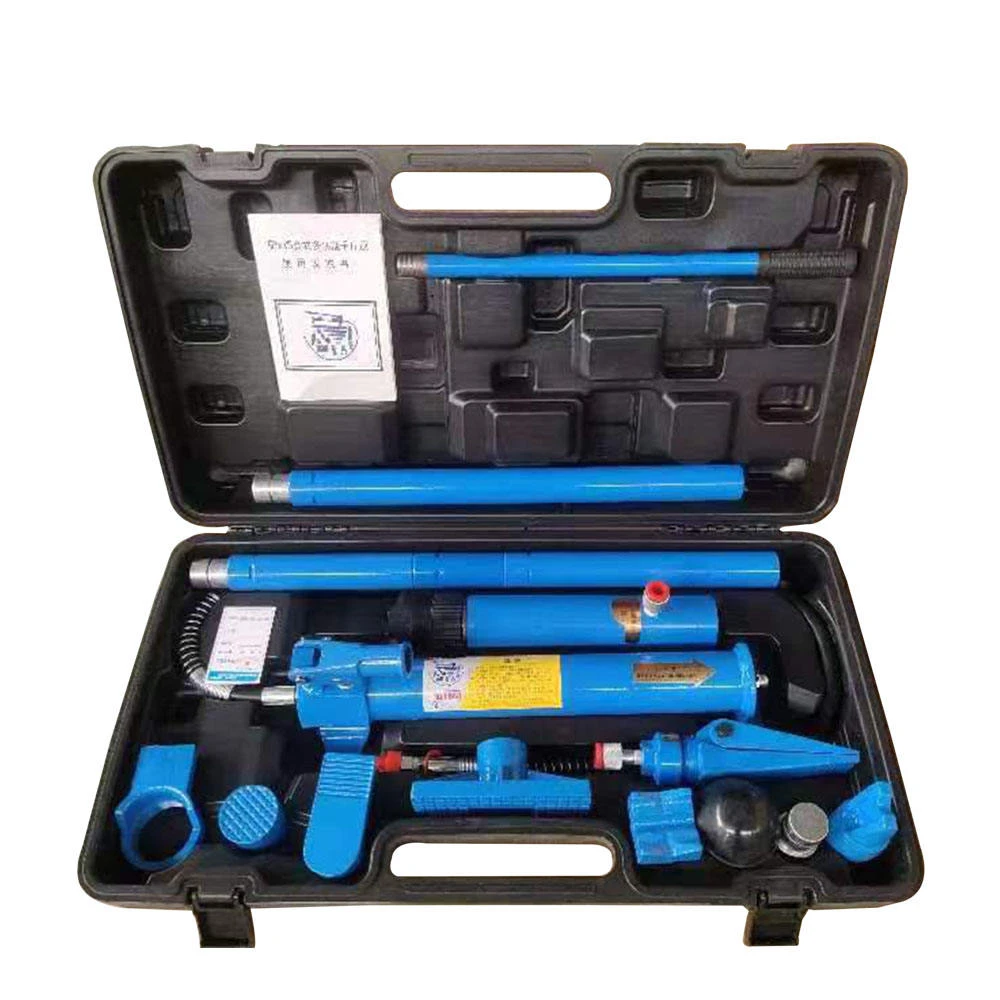
Tool trolley kits represent a crucial component in modern industrial and commercial environments, serving as mobile workstations for tool storage and organization. Positioned within the broader material handling equipment sector, their primary function is to enhance operational efficiency by providing technicians, mechanics, and engineers with readily accessible tools and equipment. Unlike static tool storage solutions, tool trolley kits offer significant portability, adapting to dynamic work environments and minimizing downtime. Core performance characteristics center around load capacity, durability, maneuverability, and the security of contained tools. The industry faces consistent demands for increased capacity, enhanced ergonomic design, and superior corrosion resistance to meet the rigorous requirements of diverse applications including automotive repair, aerospace maintenance, construction, and manufacturing.
Material Science & Manufacturing
The construction of tool trolley kits commonly involves a combination of materials selected for their strength, durability, and cost-effectiveness. Steel, particularly cold-rolled steel, forms the primary structural component of the trolley frame and drawers, providing high load-bearing capacity and resistance to deformation. Drawer slides typically utilize hardened steel or polymer composites to ensure smooth operation and long-term reliability. Drawer and trolley body panels are frequently manufactured from steel sheet, often with a powder-coated finish for enhanced corrosion protection. The casters, critical for mobility, are generally constructed from polyurethane or nylon over a steel core, balancing load capacity with floor protection. Manufacturing processes involve several key steps. Frame fabrication utilizes welding, primarily MIG (Metal Inert Gas) or TIG (Tungsten Inert Gas) welding, to join steel components, requiring precise control of welding parameters (current, voltage, wire feed speed) to ensure weld integrity and minimize distortion. Drawer construction involves sheet metal forming, including bending and stamping, followed by assembly using rivets or self-tapping screws. Powder coating is applied electrostatically, followed by curing at elevated temperatures to create a durable, corrosion-resistant finish. Caster installation requires precise alignment to ensure smooth rolling and even weight distribution. Parameter control is vital throughout: steel grade consistency, weld penetration depth, powder coat thickness, and caster load ratings are all critical for ensuring product performance and longevity.
Performance & Engineering
Performance of a tool trolley kit is fundamentally governed by its structural integrity and load-bearing capacity. Force analysis dictates the design of the frame and drawer supports to withstand static and dynamic loads imposed by tools and equipment. Finite Element Analysis (FEA) is often employed to simulate stress distribution under various loading scenarios, optimizing material thickness and component geometry. Environmental resistance is paramount, particularly in demanding industrial settings. Powder coating, while effective, can be susceptible to chipping or abrasion; epoxy-based coatings offer enhanced durability but may be more costly. Caster performance is assessed based on load capacity, rolling resistance, and resistance to wear and tear. Compliance requirements vary depending on the intended application and geographic region. For example, in the European Union, CE marking is mandatory, indicating compliance with relevant safety and performance standards. Ergonomic considerations are crucial. Handle height, drawer opening angle, and overall trolley height are designed to minimize strain on operators during use. Locking mechanisms, both for drawers and casters, are engineered to prevent accidental opening or movement, enhancing workplace safety. The design must also consider the center of gravity to minimize the risk of tipping when heavily loaded.
Technical Specifications
| Parameter | Unit | Standard Model | Heavy-Duty Model |
|---|---|---|---|
| Overall Dimensions (L x W x H) | mm | 780 x 460 x 900 | 900 x 530 x 1050 |
| Maximum Load Capacity | kg | 300 | 500 |
| Number of Drawers | - | 5 | 7 |
| Drawer Load Capacity (per drawer) | kg | 20 | 30 |
| Caster Diameter | mm | 100 | 125 |
| Material (Frame) | - | Cold-Rolled Steel (1.5mm) | Cold-Rolled Steel (2.0mm) |
Failure Mode & Maintenance
Tool trolley kits are susceptible to several failure modes. Fatigue cracking can occur in the frame or drawer supports due to repeated loading and unloading cycles, particularly if the steel is not properly hardened or if stress concentrations are present. Drawer slide failure is common, often due to wear and tear, misalignment, or contamination with debris. Delamination of the powder coat finish can occur due to impact damage or exposure to harsh chemicals. Caster failure can result from overloading, impact damage, or bearing wear. Oxidation and corrosion are potential concerns in humid or corrosive environments, particularly if the powder coat finish is compromised. Maintenance is crucial for extending the lifespan of the trolley kit. Regular lubrication of drawer slides and casters is essential. Periodic inspection for loose fasteners or damaged components should be conducted. Any signs of corrosion should be addressed promptly with appropriate cleaning and touch-up paint. Overloading drawers or exceeding the overall load capacity should be avoided. Proper cleaning procedures, utilizing mild detergents and avoiding abrasive cleaners, will help maintain the integrity of the powder coat finish. For severe damage, welding repairs should be performed by qualified personnel.
Industry FAQ
Q: What steel grade is optimal for a tool trolley intended for use in an automotive workshop with frequent exposure to oil and grease?
A: For automotive workshops, a cold-rolled steel with a minimum yield strength of 350 MPa and a robust powder coating, preferably epoxy-based, is recommended. The epoxy coating provides superior resistance to oils, greases, and common workshop chemicals. Look for a powder coating that has undergone salt spray testing to confirm its corrosion resistance performance (ASTM B117).
Q: How important is the caster wheel material, and what are the trade-offs between polyurethane and nylon?
A: Caster wheel material is critical. Polyurethane offers superior abrasion resistance, load capacity, and quieter operation, making it ideal for heavier loads and uneven surfaces. Nylon is more cost-effective and resistant to certain chemicals, but has lower abrasion resistance and load capacity. The choice depends on the typical floor surface and expected load.
Q: What is the typical lifespan of drawer slides in a heavily used tool trolley kit?
A: The lifespan of drawer slides varies significantly with usage and maintenance. High-quality hardened steel slides, with proper lubrication, can last for 5-7 years with daily use. Polymer composite slides are generally less durable, with a lifespan of 2-4 years. Regular cleaning and lubrication are crucial to maximizing slide life.
Q: What safety features are essential for a tool trolley kit used in a busy manufacturing environment?
A: Essential safety features include locking drawers and casters to prevent accidental movement or spills, rounded edges to minimize injury risk, and a stable design to prevent tipping. Consider trolleys with a bright, highly visible color scheme to increase awareness and reduce the risk of collisions.
Q: Are there specific standards regarding the load capacity and stability of tool trolley kits?
A: While no single universally mandated standard exists, compliance with EN 14783 (Mobile Shelving Units) provides a good baseline for structural integrity and stability. Many manufacturers also adhere to internal testing protocols based on ISO 9001 quality management standards, ensuring consistent performance and safety.
Conclusion
Tool trolley kits are indispensable assets in a wide range of industrial and commercial sectors, streamlining workflow and enhancing organizational efficiency. Their performance hinges upon careful material selection, robust manufacturing processes, and diligent maintenance. Understanding the interplay between load capacity, material properties, and potential failure modes is essential for selecting a trolley kit that meets specific application requirements.
Future developments are likely to focus on integrating smart features such as tool tracking via RFID or barcode scanning, incorporating advanced ergonomic designs, and utilizing more sustainable materials. A thorough understanding of the technical specifications and adherence to relevant industry standards are paramount for ensuring the long-term reliability and safety of these essential pieces of equipment.
