Introduction
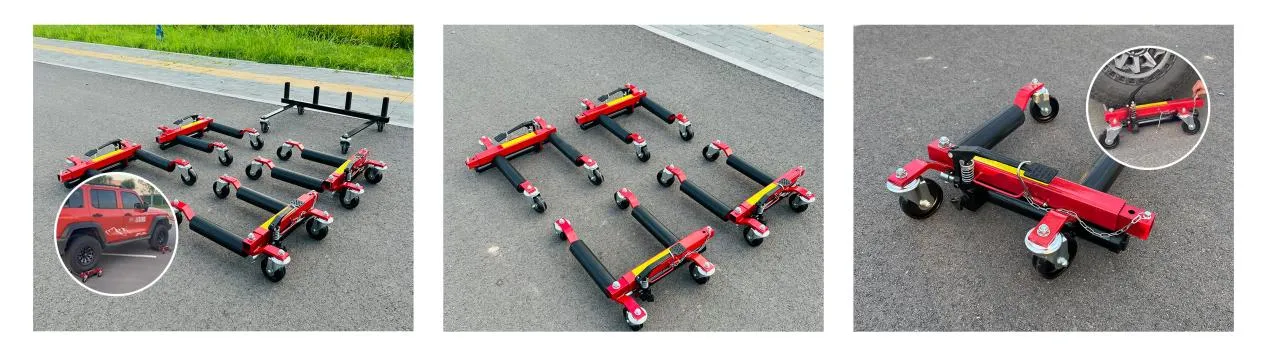
Tool trolleys on wheels represent a critical logistical component in modern industrial and workshop environments. These mobile workstations facilitate efficient tool organization, transport, and accessibility, directly impacting workflow productivity and minimizing downtime. Positioned within the broader material handling and storage equipment sector, tool trolleys differentiate themselves through their specialized design focused on the secure containment and maneuverability of tools and related hardware. Core performance characteristics center on load capacity, durability, maneuverability (influenced by caster quality and design), and the robustness of locking mechanisms ensuring tool security. The selection of a suitable tool trolley hinges on a comprehensive understanding of the intended application – considering factors such as tool weight and volume, workshop floor conditions, and ergonomic requirements for operator efficiency. A key pain point for procurement managers is balancing initial cost with long-term durability and the potential for reduced worker injury through improved organization and accessibility. The increasing demand for lean manufacturing principles and 5S methodologies further drives the adoption of robust and well-designed tool trolley solutions.
Material Science & Manufacturing
The construction of tool trolleys on wheels commonly utilizes several key materials, each selected for specific performance attributes. Structural components – frames and panels – are typically manufactured from steel, specifically mild steel (AISI 1018) for cost-effectiveness or stainless steel (304/316) for enhanced corrosion resistance in harsher environments. The steel undergoes fabrication processes including cutting (laser, plasma, or shearing), bending, and welding (MIG, TIG, or stick welding). Welding parameters – amperage, voltage, and travel speed – are critical to maintaining structural integrity and preventing weld defects such as porosity or cracking. Drawer construction frequently employs cold-rolled steel for increased rigidity and smoother operation. Drawer slides are often manufactured from high-strength polymers (ABS, polypropylene) or steel with polymer coatings for reduced friction and noise. Casters, a crucial component dictating maneuverability, utilize polyurethane wheels bonded to steel or nylon cores. Polyurethane’s durometer (hardness) is a key specification, influencing load capacity, rolling resistance, and floor protection. Surface treatment – typically powder coating – provides corrosion protection and aesthetic appeal. Powder coating application involves electrostatic spraying followed by curing at elevated temperatures (typically 180-200°C), ensuring a durable and uniform finish. The chemical composition of the powder coating (epoxy, polyester, or hybrid formulations) impacts UV resistance and resistance to chemical solvents often encountered in industrial settings. Quality control measures throughout manufacturing include dimensional inspections, weld integrity testing (visual, dye penetrant), and caster load testing.
Performance & Engineering
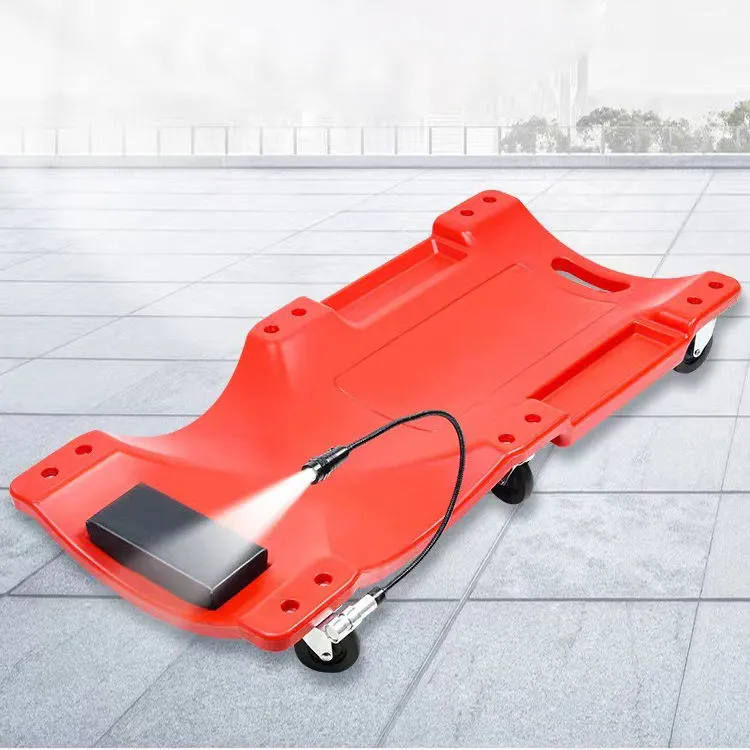
The performance of a tool trolley is governed by several engineering principles. Static and dynamic load capacity are paramount, determined by Finite Element Analysis (FEA) during the design phase. FEA simulations model stress distribution under various loading conditions, ensuring the structure can withstand anticipated loads without deformation or failure. Caster selection is critical for maneuverability and stability. Factors influencing caster performance include caster diameter, wheel material, swivel angle, and load rating. Kingpin strength and bearing quality are also vital. The trolley's center of gravity influences stability, particularly when loaded unevenly. A lower center of gravity enhances stability and reduces the risk of tipping. Locking mechanisms, crucial for tool security, must provide sufficient resistance to unauthorized access. Lock designs range from simple key-operated locks to more sophisticated combination or electronic locking systems. Ergonomic considerations are increasingly important, impacting operator comfort and efficiency. Handle height and drawer positioning should minimize bending and reaching, reducing the risk of musculoskeletal disorders. Environmental resistance is also a key performance parameter. Exposure to moisture, chemicals, and temperature fluctuations can degrade materials and affect functionality. Materials selection and surface treatments (e.g., corrosion-resistant coatings) must address these potential environmental stressors. Compliance with relevant safety standards (e.g., ANSI/BIFMA) is essential, particularly regarding stability and load capacity. The structural design must account for potential impact forces and vibrations encountered in industrial environments.
Technical Specifications
| Parameter | Unit | Typical Value (Heavy-Duty Trolley) | Typical Value (Light-Duty Trolley) |
|---|---|---|---|
| Overall Dimensions (L x W x H) | mm | 1200 x 500 x 900 | 700 x 400 x 800 |
| Maximum Load Capacity | kg | 500 | 150 |
| Number of Drawers | - | 5 | 3 |
| Drawer Load Capacity (per drawer) | kg | 50 | 25 |
| Caster Diameter | mm | 150 | 100 |
| Caster Material | - | Polyurethane on Steel Core | Polypropylene |
| Frame Material | - | Mild Steel (AISI 1018) | Mild Steel (AISI 1018) |
Failure Mode & Maintenance
Tool trolleys on wheels are susceptible to several failure modes. Fatigue cracking in welded joints, particularly under repeated loading, is a common issue. This can be mitigated through proper weld technique and stress relief procedures. Caster failure, including wheel degradation (chunking, wear) and bearing seizure, significantly impacts maneuverability. Regular lubrication of caster bearings is essential preventative maintenance. Drawer slide failure, often manifested as binding or jamming, can result from debris accumulation or wear of polymer components. Periodic cleaning and lubrication of drawer slides are crucial. Corrosion, especially in humid or chemically exposed environments, can degrade steel components. Protective coatings (powder coating) and regular cleaning are essential corrosion prevention measures. Locking mechanism failure, including key breakage or malfunction, compromises tool security. Regular inspection and lubrication of locking components are recommended. Deformation of the frame or drawers can occur due to overloading or impact damage. Adhering to the specified load capacity and avoiding impact loads are critical. Preventative maintenance should include routine inspections for loose fasteners, damaged components, and worn casters. Regular cleaning with mild detergents removes debris and prevents corrosion. Lubrication of moving parts (casters, drawer slides, locking mechanisms) ensures smooth operation and extends component life. Prompt repair or replacement of damaged components prevents further deterioration and ensures continued safe operation.
Industry FAQ
Q: What caster configuration (number and type) provides the best balance of maneuverability and load-bearing capacity for a heavily loaded tool trolley operating on a concrete floor?
A: For a heavily loaded trolley on concrete, a configuration of five casters is generally recommended: four swivel casters at the corners for maneuverability and one fixed caster centrally located for stability and increased load capacity. Polyurethane wheels with a durometer of 95A-100A are ideal, providing a good balance of load capacity, abrasion resistance, and rolling resistance on concrete. Steel cores are preferred for durability. The fixed caster should have a slightly higher load rating than the swivel casters.
Q: How does the gauge (thickness) of the steel used in the trolley frame affect its long-term durability, and what is a suitable gauge for a trolley intended for daily industrial use?
A: The gauge of the steel directly correlates to the trolley’s rigidity and resistance to deformation under load. Thicker gauge steel provides greater strength and durability. For daily industrial use, a minimum gauge of 1.5mm (approximately 16 gauge) for the main frame members is recommended. Critical stress areas, such as welding joints, may benefit from thicker steel (2.0mm or 14 gauge).
Q: What type of surface treatment is most effective in preventing corrosion in a workshop environment with frequent exposure to cutting fluids and solvents?
A: Epoxy powder coating offers superior corrosion resistance compared to standard polyester powder coating, especially in environments with exposure to chemicals like cutting fluids and solvents. Ensure the surface is properly pre-treated (e.g., phosphate coating) before powder coating application to enhance adhesion and corrosion protection. Consider a hybrid epoxy-polyester formulation for improved UV resistance.
Q: What are the key considerations when selecting drawer slides for a tool trolley, balancing load capacity, smoothness of operation, and long-term reliability?
A: Load capacity is paramount; select slides rated for at least 120% of the expected drawer load. Ball-bearing slides offer smoother operation and higher load capacity compared to roller slides, but are generally more expensive. Full-extension slides provide complete access to drawer contents, enhancing usability. Look for slides with hardened steel components and corrosion-resistant coatings for long-term reliability. Self-closing slides with dampening mechanisms reduce noise and prevent accidental slamming.
Q: How can we ensure the locking mechanisms on tool trolleys meet security requirements while also providing convenient access for authorized personnel?
A: A combination of key-operated locks with restricted keyways and a robust locking mechanism design provides a good balance of security and convenience. Consider incorporating a master key system for centralized access control. Electronic locking systems offer advanced security features, such as access logging and remote control, but are typically more expensive. Regularly inspect and maintain locking mechanisms to ensure proper functionality and prevent unauthorized access.
Conclusion
Tool trolleys on wheels, while seemingly simple in concept, represent a sophisticated integration of material science, manufacturing processes, and engineering principles. Their effective implementation is crucial for optimizing workflow efficiency, enhancing worker safety, and minimizing downtime within industrial and workshop settings. Selecting the appropriate tool trolley requires a detailed understanding of load requirements, environmental conditions, and ergonomic considerations. Prioritizing durable materials, robust construction, and preventative maintenance practices ensures long-term reliability and return on investment.
Future developments in tool trolley technology will likely focus on increased modularity, integrated tool tracking systems (RFID/barcode), and enhanced ergonomic features. The adoption of lightweight materials, such as aluminum alloys, may also become more prevalent, offering weight reduction without compromising structural integrity. Ultimately, the success of a tool trolley solution hinges on its ability to seamlessly integrate into existing workflows and address the specific needs of the end-user.
