Introduction
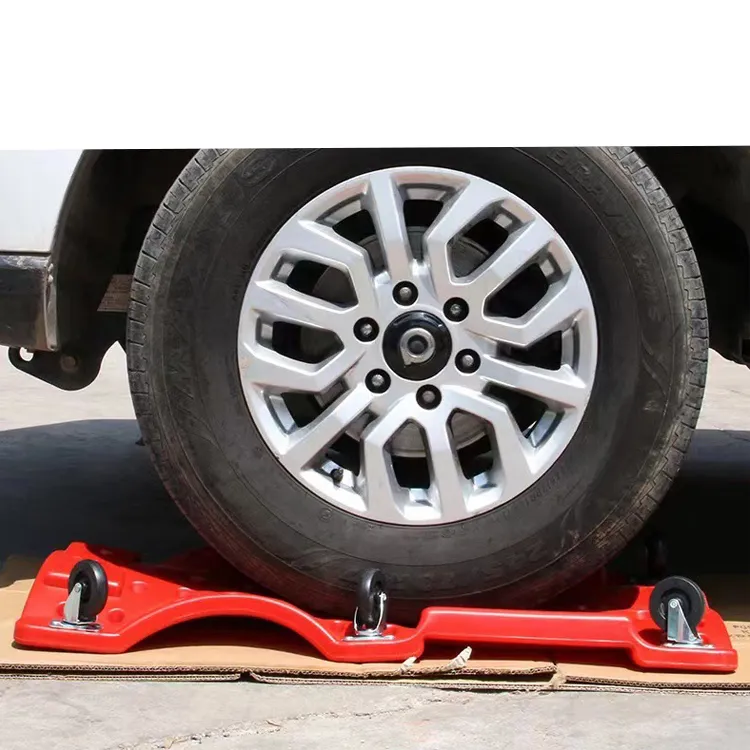
The wheeled tool trolley represents a critical material handling component within a multitude of industrial and commercial settings. Positioned within the broader landscape of intralogistics, it functions as a mobile workstation, facilitating the efficient transport and organization of tools, equipment, and components. Its core performance revolves around load capacity, maneuverability, durability, and ergonomic design. Modern tool trolleys are evolving beyond simple carts, incorporating features like locking mechanisms, configurable storage solutions, and specialized trays to accommodate diverse tooling requirements. A primary industry pain point centers around optimizing workflow efficiency by minimizing tool search time and reducing operator strain, directly impacting productivity and minimizing the risk of workplace injuries. Selecting the correct trolley demands a thorough understanding of load distribution, operational environment, and long-term reliability considerations.
Material Science & Manufacturing
The construction of a typical wheeled tool trolley involves several key materials, each selected for specific properties. The primary structural components are commonly fabricated from steel (carbon steel such as AISI 1018 or stainless steel such as 304/316) due to its high tensile strength and weldability. Manufacturing processes frequently include robotic welding for consistent joint integrity and minimizing heat-affected zones. Sheet metal forming (bending, stamping) is employed for panel construction. Wheels are typically manufactured from polyurethane (PU) on an aluminum core, chosen for its combination of load-bearing capacity, abrasion resistance, and low rolling resistance. The PU formulation is crucial; harder formulations offer greater load capacity, while softer formulations provide improved shock absorption. The manufacturing process for these wheels involves injection molding, requiring precise temperature and pressure control to achieve the desired hardness and dimensional accuracy. Drawer slides utilize hardened steel bearings and are often coated with zinc or powder coating for corrosion resistance. Fasteners are generally high-strength alloy steel, Grade 8.8 or higher, secured using torque-controlled assembly methods to prevent loosening under dynamic loads. Chemical compatibility – resistance to oils, solvents, and cleaning agents – is a key consideration in material selection, particularly for surfaces likely to come into contact with these substances.
Performance & Engineering
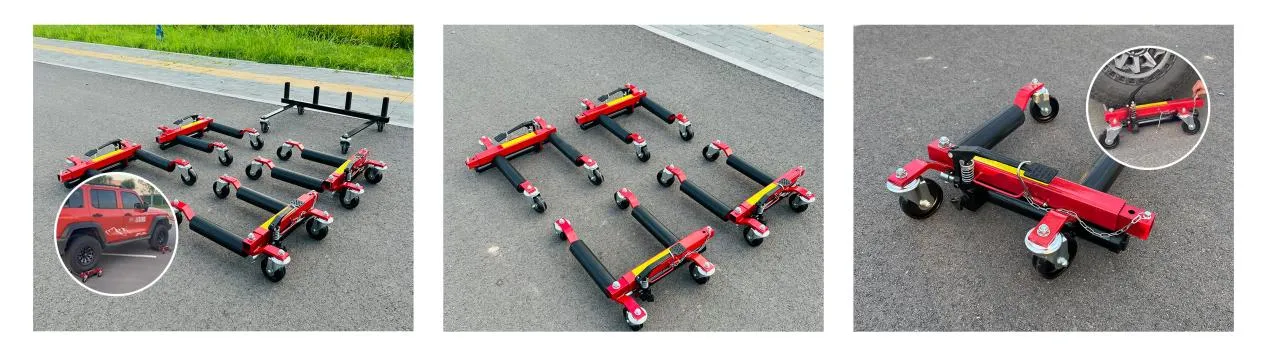
Performance analysis of a wheeled tool trolley centers on several critical engineering considerations. Static load capacity represents the maximum weight the trolley can support at rest, while dynamic load capacity considers the stresses induced by movement and impacts. Force analysis, utilizing principles of statics and dynamics, is vital in designing the frame to prevent bending, twisting, or buckling. Finite Element Analysis (FEA) is commonly employed to simulate stress distribution under various loading scenarios. Wheel selection significantly impacts maneuverability; smaller diameter wheels offer greater stability but reduced rolling efficiency, while larger wheels provide smoother movement but potentially reduced stability. The caster angle and swivel radius are also critical parameters. Environmental resistance is a key concern, particularly in harsh industrial environments. Corrosion protection (galvanizing, powder coating, epoxy coatings) is essential. Temperature variations can affect material properties; for example, extreme cold can embrittle steel. Compliance with safety standards (ANSI/ASSP standards for industrial vehicles, for example) is mandatory. Ergonomic design is paramount, influencing operator fatigue and reducing the risk of musculoskeletal disorders. Handle height, drawer accessibility, and overall trolley height are all important factors. The braking system must provide reliable static holding force, particularly on inclined surfaces.
Technical Specifications
| Load Capacity (kg) | Dimensions (L x W x H) (mm) | Wheel Diameter (mm) | Number of Drawers |
|---|---|---|---|
| 150 | 800 x 450 x 900 | 100 | 3 |
| 250 | 900 x 500 x 950 | 125 | 4 |
| 350 | 1000 x 550 x 1000 | 150 | 5 |
| 500 | 1200 x 600 x 1100 | 150 | 6 |
| 750 | 1500 x 700 x 1200 | 200 | 8 |
| 1000 | 1800 x 800 x 1300 | 200 | 10 |
Failure Mode & Maintenance
Common failure modes in wheeled tool trolleys include wheel bearing failure (due to overload, contamination, or lack of lubrication), frame deformation (resulting from excessive load or impact), drawer slide malfunction (caused by wear, misalignment, or debris), and fastener loosening (due to vibration or improper torque). Fatigue cracking can occur in welded joints under cyclic loading. Corrosion is a significant concern in humid or corrosive environments, particularly affecting steel components. Delamination of powder coating can occur due to poor surface preparation or impact damage. Regular maintenance is crucial for extending the trolley’s lifespan. This includes periodic lubrication of wheel bearings and drawer slides with appropriate greases, inspection of fasteners for tightness, visual inspection for corrosion or damage, and cleaning to remove debris. Wheel replacement should be performed when wear becomes excessive, impacting maneuverability. Damaged drawer slides should be replaced promptly. If corrosion is detected, the affected area should be cleaned, treated with a rust inhibitor, and repainted. Welded joints should be inspected for cracks and repaired by a qualified welder if necessary. Preventative maintenance schedules should be established based on usage frequency and operating environment.
Industry FAQ
Q: What is the optimal wheel material for a trolley operating in a chemical plant environment?
A: For chemical plant environments, polyurethane wheels with a high resistance to specific chemicals present in the plant are recommended. Specifically, assess the chemical resistance chart provided by the wheel manufacturer and choose a formulation compatible with acids, alkalis, solvents, and other substances encountered. Consider epoxy-coated metal cores for enhanced corrosion protection.
Q: How do I determine the appropriate load capacity for my application?
A: Calculate the total weight of the tools and equipment that will be regularly stored in the trolley, adding a safety factor of at least 20% to account for potential overload or uneven load distribution. Also, consider the dynamic loads generated during movement and acceleration.
Q: What are the key considerations for drawer slide selection?
A: Drawer slide selection should prioritize load capacity, smoothness of operation, and durability. Full-extension slides offer greater accessibility, while soft-close mechanisms reduce noise and prevent damage. Consider the environment; stainless steel slides are preferred for corrosive environments.
Q: How can I prevent corrosion on a steel-framed trolley?
A: Proper surface preparation (degreasing, cleaning) prior to applying a corrosion-resistant coating (powder coating, galvanizing, epoxy coating) is crucial. Regular cleaning and application of rust inhibitors can also help prevent corrosion. Inspect regularly for damage to the coating and repair promptly.
Q: What safety features should I look for in a tool trolley?
A: Look for features such as locking casters to prevent unintended movement, secure drawer latches to prevent tools from falling out during transport, and rounded edges to minimize the risk of injury. Compliance with relevant safety standards (ANSI, OSHA) is essential.
Conclusion
The selection and maintenance of a wheeled tool trolley are critical factors influencing operational efficiency and workplace safety within industrial and commercial settings. A thorough understanding of material science, manufacturing processes, and engineering principles is essential for choosing a trolley that meets specific application requirements. By considering load capacity, maneuverability, durability, and ergonomic design, organizations can optimize workflow, reduce operator fatigue, and minimize the risk of equipment failure.
Moving forward, advancements in tool trolley design will likely focus on incorporating smart features, such as integrated tool tracking systems and ergonomic enhancements. The integration of IoT sensors for predictive maintenance and inventory management is also a developing trend. Continued emphasis on sustainable materials and manufacturing processes will further enhance the long-term value and environmental footprint of these essential material handling components.
