Introduction
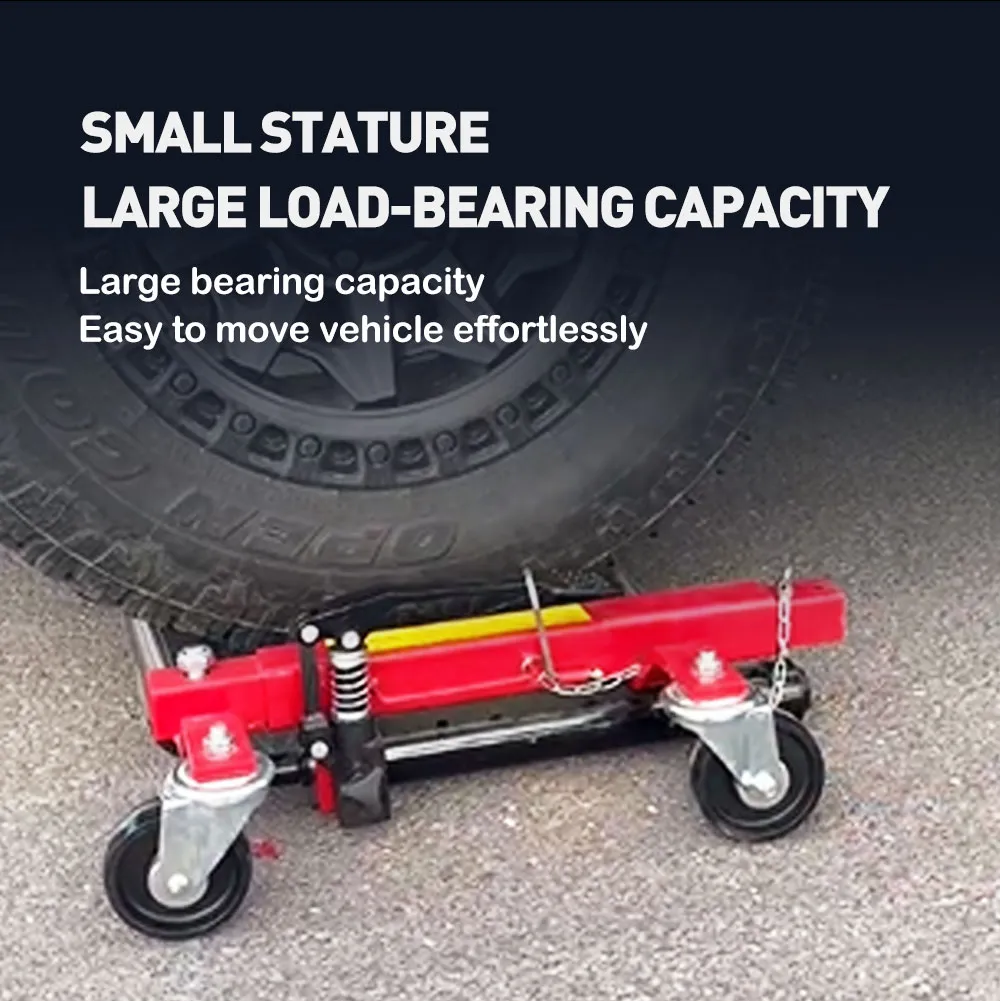
Truck jacks and stands are critical components in vehicle maintenance and repair, specifically designed for the substantial weight and dimensions of trucks, buses, and heavy equipment. Positioned within the automotive lifting equipment supply chain, they represent a substantial upgrade in capacity and robustness compared to passenger vehicle jacks. Their core performance characteristics center on secure lifting, stable weight distribution, and operator safety during under-vehicle work. This guide will provide an in-depth examination of their material science, manufacturing processes, performance engineering, potential failure modes, and relevant industry standards. A primary industry pain point is ensuring consistent load capacity and preventing catastrophic failure under maximum rated load, requiring rigorous testing and quality control protocols. Another is providing adequate stability on varied and potentially uneven shop floor surfaces.
Material Science & Manufacturing
The core materials used in truck jack and stand manufacturing are high-strength steel alloys, specifically AISI 1045 or equivalent carbon steel, for structural components like lifting arms, pawls, and support saddles. Hydraulic jacks utilize high-tensile strength steel for the hydraulic cylinder and pump housing, often with a surface treatment like zinc plating to resist corrosion. Stand bases frequently employ cast iron or ductile cast iron (60-80-55-06) due to their compressive strength and damping characteristics. Manufacturing processes vary depending on the component. Jack housings are typically produced via deep drawing and stamping of steel sheets, followed by welding and finishing. Hydraulic cylinders involve precision honing of the inner bore to achieve a smooth surface finish and tight tolerances for seal integrity. Stand construction relies heavily on robotic welding of structural steel sections, ensuring consistent weld quality and penetration. Critical parameters include weld heat input, cooling rates, and post-weld stress relieving. Pawl pins are typically cold-formed from alloy steel and hardened to Rc 50-55. Quality control focuses on material certification, non-destructive testing (NDT) of welds using ultrasonic or radiographic methods, and dimensional accuracy verification using coordinate measuring machines (CMMs). The steel's yield strength must exceed the jack's rated capacity by a significant margin, accounting for dynamic loading and impact forces.
Performance & Engineering
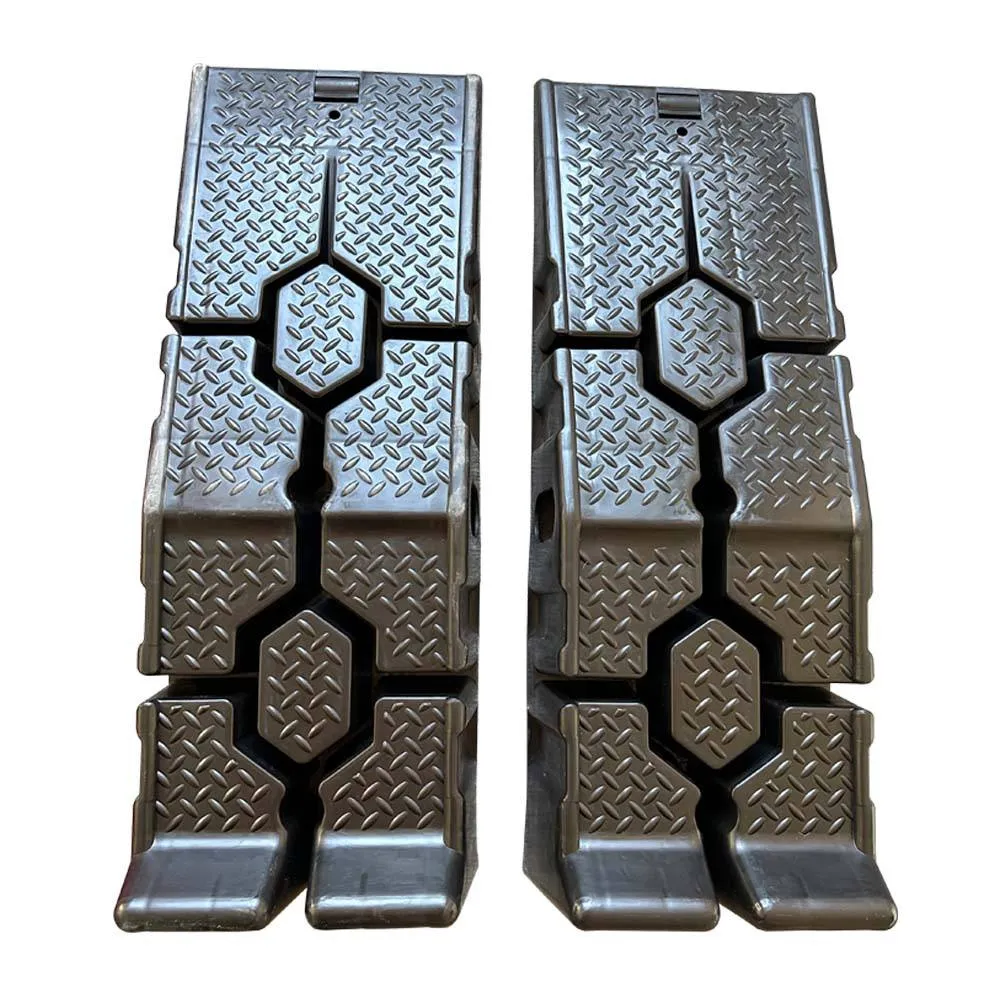
Performance analysis of truck jacks and stands necessitates a thorough understanding of force distribution, stress concentration points, and buckling behavior. The lifting mechanism in hydraulic jacks operates on Pascal’s principle, requiring precise control of hydraulic fluid pressure and cylinder diameter to achieve the desired lifting force. The stands rely on a shear pin or ratchet mechanism to maintain height, with engineering focused on preventing premature slippage or collapse. Finite element analysis (FEA) is crucial in optimizing stand design, identifying areas prone to stress concentration (e.g., weld joints, pin connections), and ensuring structural integrity under maximum load. Environmental resistance is also paramount. Components are subjected to salt spray testing (ASTM B117) to assess corrosion resistance, and hydraulic fluid compatibility testing is conducted to prevent seal degradation. Compliance requirements, such as those outlined by ASME B30.31, dictate specific safety features, including overload protection mechanisms, stable base designs, and clear load capacity markings. The static stability of a stand is determined by its base width and height; a wider base and lower height increase stability. Dynamic load testing simulates real-world usage scenarios, including off-center loading and repeated lifting/lowering cycles.
Technical Specifications
| Capacity (tons) | Minimum Lifting Height (inches) | Maximum Lifting Height (inches) | Stand Height Adjustment Range (inches) |
|---|---|---|---|
| 20 | 5.5 | 28 | 30-48 |
| 30 | 7 | 36 | 36-54 |
| 40 | 8.5 | 44 | 42-60 |
| 50 | 10 | 52 | 48-72 |
| 60 | 11.5 | 60 | 54-84 |
| 80 | 13 | 72 | 60-96 |
Failure Mode & Maintenance
Common failure modes in truck jacks include hydraulic seal failure leading to pressure loss, bending or yielding of lifting arms due to overload, and pawl failure resulting in uncontrolled descent. Stand failures typically involve buckling of support columns under excessive load, shear failure of the locking pin, or cracking at weld joints. Fatigue cracking is a significant concern, particularly in frequently used components like stand bases and jack housings. Corrosion, especially in humid or corrosive environments, can weaken structural components and accelerate failure. Maintenance is critical to prevent these failures. Hydraulic jacks require regular fluid level checks and replacement, as well as inspection of seals for leaks. Stands should be inspected for cracks, weld defects, and proper pin engagement. Lubrication of moving parts (e.g., stand height adjustment mechanisms) is essential to reduce friction and wear. Overloading must be strictly avoided. A visual inspection before each use is recommended, checking for signs of damage or wear. Preventative maintenance schedules should include periodic load testing to verify continued compliance with rated capacity. Failure analysis of returned units often reveals root causes related to improper usage, lack of maintenance, or substandard manufacturing.
Industry FAQ
Q: What is the significance of the safety relief valve in a hydraulic truck jack?
A: The safety relief valve is a critical safety feature designed to prevent overloading. It automatically releases hydraulic pressure if the jack’s rated capacity is exceeded, preventing damage to the jack and, more importantly, preventing a catastrophic failure that could cause injury or damage. It’s a mechanically actuated valve, calibrated to open at a specific pressure corresponding to the jack's maximum load rating.
Q: How do you determine the correct stand height for a specific vehicle?
A: The stand height should be adjusted to securely support the vehicle at a designated lifting point, ensuring that the stand is fully engaged and locked into position. It’s critical to avoid overextension or underextension of the stand. The lifting point must be a reinforced section of the vehicle’s chassis. Always refer to the vehicle manufacturer’s service manual for designated lifting points.
Q: What are the key differences between single-stage and two-stage hydraulic jacks?
A: Single-stage jacks offer a faster lifting speed but a lower maximum lift height. Two-stage jacks provide a greater maximum lift height but require more pumping strokes to reach that height. The choice depends on the typical vehicle height and the accessibility requirements of the repair task.
Q: What is the role of the base on a truck stand and what materials are commonly used?
A: The base provides stability and distributes the load over a wider area. Larger base diameters improve stability, especially on uneven surfaces. Commonly used materials include cast iron and ductile cast iron due to their compressive strength and ability to dampen vibrations. The material must be able to resist deformation under load.
Q: What type of steel is generally used in the construction of heavy-duty truck jack and stand components?
A: AISI 1045 carbon steel, or equivalent alloy steels with comparable tensile strength and yield strength, is most commonly used for structural components. The steel is often heat-treated to achieve the desired hardness and toughness. Proper material selection is paramount to preventing premature failure under load.
Conclusion
Truck jacks and stands are indispensable tools in heavy vehicle maintenance, demanding a robust design rooted in sound material science and precision manufacturing. Ensuring their safe and reliable operation requires understanding the principles of force analysis, hydraulic systems, and structural integrity. The use of high-strength steel alloys, coupled with rigorous quality control procedures, is critical to preventing catastrophic failure. Consistent adherence to industry standards and preventative maintenance protocols are non-negotiable for maximizing equipment lifespan and maintaining a safe working environment.
Future developments in this field may include the integration of smart sensors for real-time load monitoring and predictive maintenance, as well as the development of lighter-weight materials without compromising strength or durability. Furthermore, advancements in hydraulic fluid technology could lead to improved efficiency and environmental sustainability. The continued focus on operator safety and adherence to evolving industry regulations will remain paramount in the design and manufacturing of these essential pieces of equipment.
