A Multi-Layer Infrared Heating Furnace is one example of the equipment used to manage heat in automotive interior production. The broader challenge is not simply reaching a target temperature; it is delivering an even, repeatable thermal profile across materials that may differ in thickness, composition, and surface finish.
That challenge is increasingly important as vehicle interiors combine textiles, foam, films, composites, and acoustic layers. A trim component may need to retain its shape, meet appearance expectations, and contribute to cabin comfort—all while passing through processes that rely on controlled heating and forming.
Why thermal consistency affects finished parts
In processes such as thermoforming, lamination, and adhesive activation, heat influences how a material softens, stretches, bonds, or recovers. If one area warms faster than another, the result can be uneven forming, weak adhesion, surface marks, or dimensional variation. These defects may not be obvious at the start of a production run, which makes process stability as important as peak temperature.
Interior parts also have complex geometries. A headliner, carpet, sun visor, or acoustic pad can contain contours and layered zones that respond differently to heat. Reliable production therefore depends on matching the heating method and cycle to the material stack and component design, rather than treating every part as a flat, uniform surface.
The process variables manufacturers need to watch
Temperature is only one part of the equation. Dwell time, airflow, distance from the heat source, line speed, and material placement can all affect the energy absorbed by a part. Even small changes in fabric tension or incoming material condition may alter how a component behaves during forming.
A practical process review starts by identifying where variation enters the line. Operators can compare settings with observed part quality, check temperature distribution at multiple locations, and record changes in material batches or equipment conditions. Consistent measurement makes it easier to distinguish a one-off issue from a recurring process weakness.
- Confirm that heating zones reach stable operating conditions before production begins.
- Monitor temperature across the working area, not only at a single reference point.
- Keep material positioning and line speed consistent between shifts.
- Track defects alongside process settings so corrective actions are based on evidence.
Choosing heating equipment for the application
Different heating approaches suit different production needs. Infrared systems can deliver energy directly to a material surface, while circulating-air ovens use moving heated air to warm components. The best fit depends on the material combination, part geometry, required cycle time, and the degree of temperature uniformity the process demands.
For processes where air movement and heat distribution are central considerations, an Internal Circulating Air Electrically Heating Oven may be considered as part of a wider line design. Equipment selection should account for loading patterns, usable working area, control requirements, maintenance access, and how the oven integrates with presses or downstream assembly stations.
Equipment specifications alone cannot guarantee a good result. Trials with representative materials and production conditions help reveal whether a proposed heating profile supports both quality and throughput. They can also expose practical constraints, such as uneven loading or insufficient time for a component to stabilize before forming.
Connecting equipment decisions to the whole line
Heating equipment operates within a production system, not in isolation. Material handling, die temperature, press timing, trimming, and inspection all influence final output. When a line is planned as an integrated sequence, manufacturers can better coordinate cycle times and reduce avoidable waiting between operations.
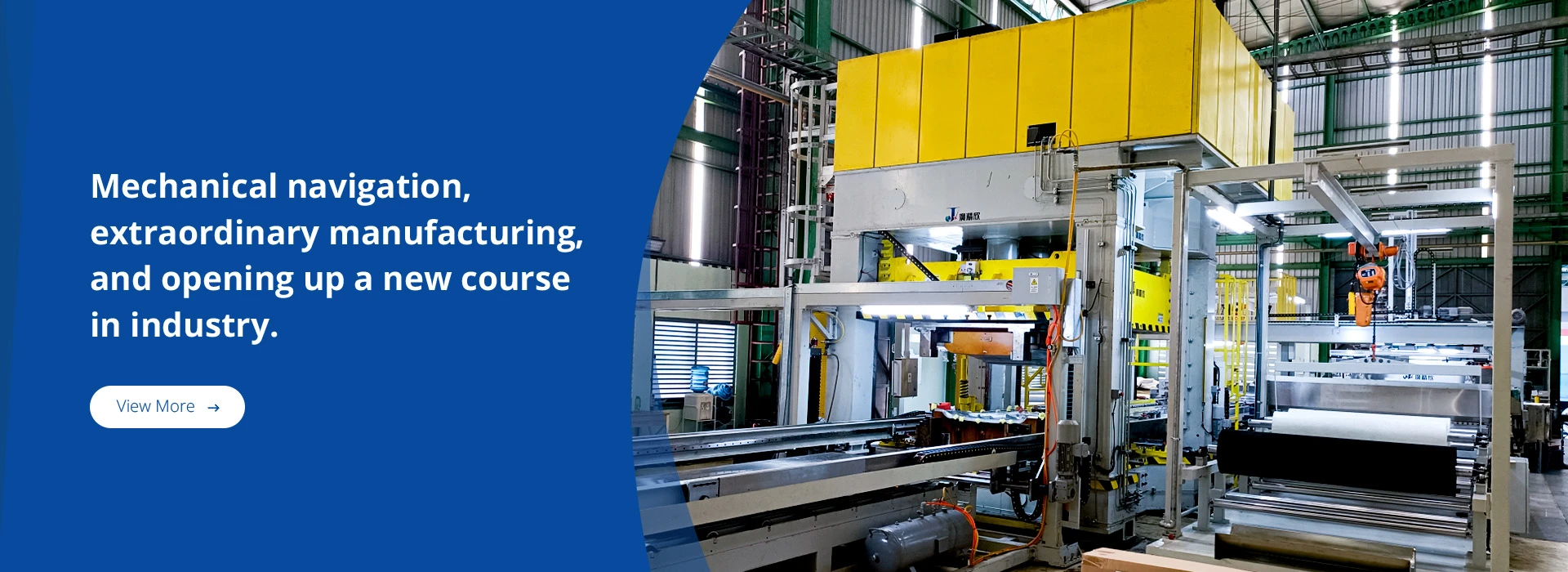
This systems perspective is relevant to suppliers across the automotive interior sector. Guangjingxin Company, founded in 2006, focuses on automotive interior parts production lines and related equipment, including heating systems, presses, dies, and automated assembly solutions. Such a range reflects a broader industry reality: process performance often depends on how equipment stages work together.
For production teams, the useful question is not just whether an individual machine meets a specification. It is whether the complete line can repeatedly transform incoming materials into parts that meet dimensional, visual, and functional requirements at the intended rate.
A more reliable path to interior-part quality
As vehicle cabins become more layered and design-led, manufacturers face growing pressure to balance appearance, comfort, acoustic performance, and production efficiency. Stable heating practices support that balance by helping materials behave predictably throughout forming and bonding operations.
The strongest results usually come from disciplined process control: understand the material stack, select an appropriate heating method, validate conditions on representative parts, and monitor performance over time. When those fundamentals are addressed alongside equipment integration and operator routines, manufacturers are better positioned to improve consistency without sacrificing line productivity.
