Introduction
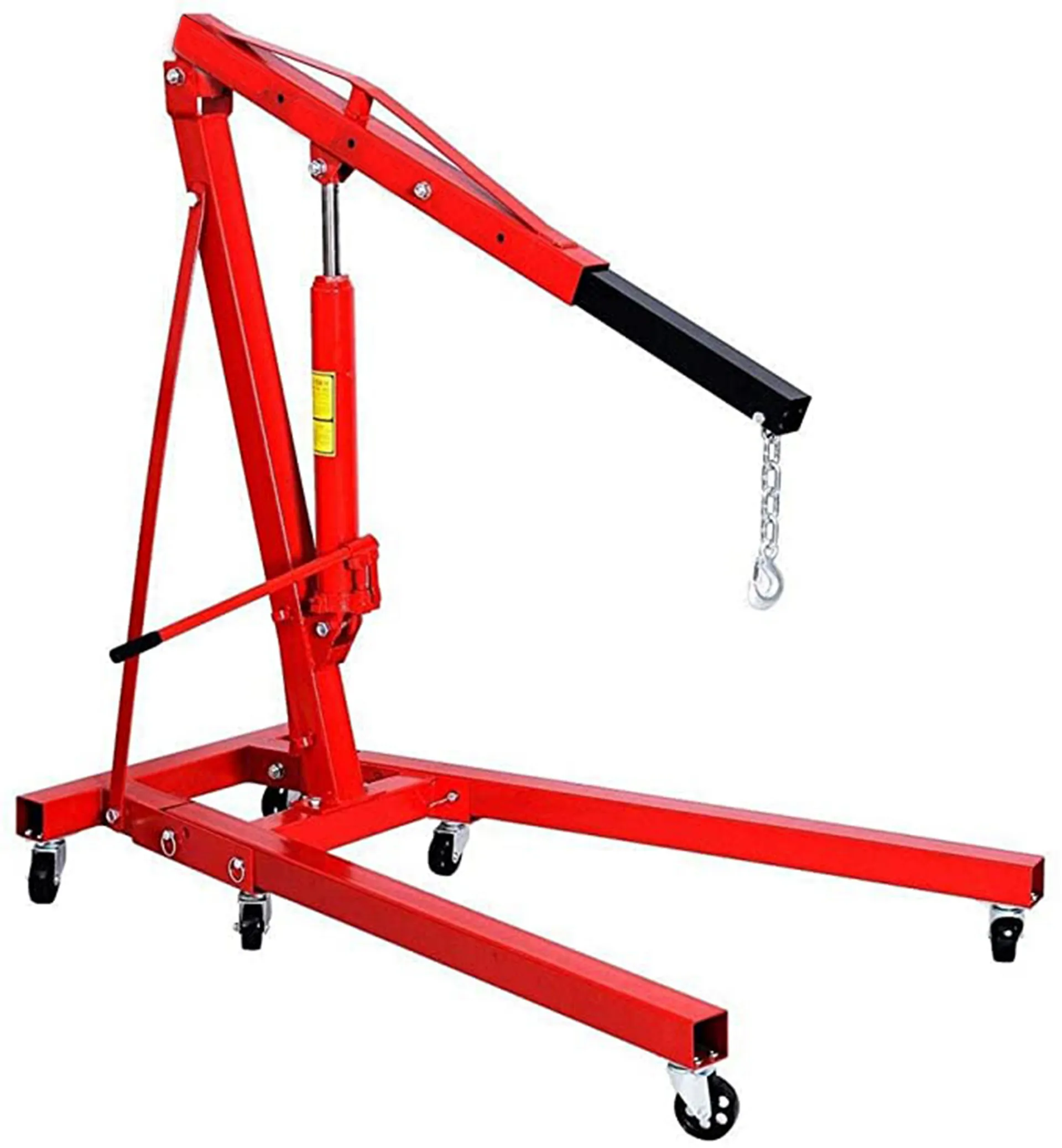
The 1 ½ ton floor jack, a critical component in automotive maintenance and industrial lifting applications, represents a ubiquitous yet often under-analyzed piece of equipment. Its technical position within the broader lifting equipment chain is as a primary lifting device for vehicle servicing, light construction, and material handling. Typically utilized for raising vehicles to facilitate tire changes, undercarriage repairs, and routine maintenance, the floor jack's core performance is defined by its lifting capacity, minimum and maximum height ranges, and operational safety features. A significant industry pain point revolves around ensuring consistent hydraulic performance under varying load conditions and ambient temperatures, as well as preventing structural failure due to material fatigue and improper use. The selection of a suitable floor jack necessitates careful consideration of these parameters to guarantee both worker safety and efficient operation. This guide provides an in-depth analysis of the material science, manufacturing processes, performance characteristics, potential failure modes, and relevant industry standards governing the 1 ½ ton floor jack.
Material Science & Manufacturing
The construction of a 1 ½ ton floor jack relies on a carefully selected suite of materials, each contributing to specific performance characteristics. The hydraulic cylinder, responsible for generating lifting force, is typically constructed from high-strength carbon steel (e.g., AISI 1045) due to its excellent machinability and tensile strength. Internal cylinder surfaces undergo honing and polishing to minimize friction and ensure a tight seal with the piston assembly. The piston itself often utilizes a chrome-plated finish to enhance wear resistance and prevent corrosion. The jack's housing and lifting arm are commonly manufactured from structural steel (e.g., A36), chosen for its balance of strength, weldability, and cost-effectiveness. Critical welds are often subject to non-destructive testing (NDT), such as ultrasonic or radiographic inspection, to verify integrity. The hydraulic fluid, typically a mineral oil-based formulation with viscosity additives, is a crucial component impacting operational efficiency and longevity. Its properties – pour point, viscosity index, and oxidation stability – are rigorously controlled. Manufacturing processes involve several key stages: steel plate cutting and forming, welding, machining, heat treatment (to enhance steel hardness and ductility), hydraulic cylinder assembly, and final painting/coating for corrosion protection. Parameter control during welding (current, voltage, travel speed) is paramount to avoid defects such as porosity and cracking. Precise machining tolerances are essential for the proper functioning of the hydraulic system and the lifting mechanism.
Performance & Engineering
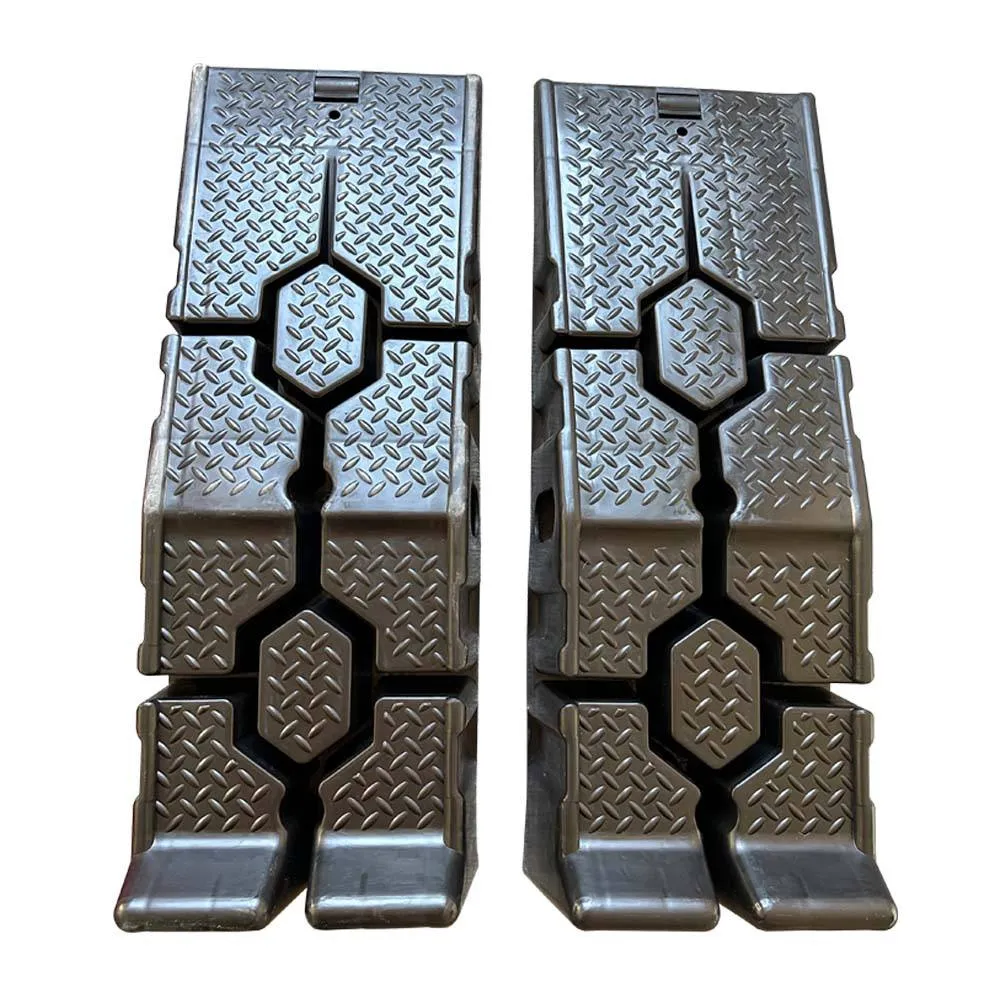
The performance of a 1 ½ ton floor jack is dictated by several engineering principles. The hydraulic system operates on Pascal's Law, where pressure applied to a confined fluid is transmitted equally in all directions. The mechanical advantage is determined by the ratio of the piston area to the ram area, enabling a relatively small force applied to the handle to generate a significant lifting force. Force analysis involves calculating the stresses on critical components, such as the lifting arm, the hydraulic cylinder, and the jack’s frame, under maximum load conditions. Finite Element Analysis (FEA) is frequently employed during the design phase to identify potential stress concentrations and optimize component geometry. Environmental resistance is crucial; the jack must withstand exposure to moisture, dust, and temperature fluctuations. Seal materials (e.g., nitrile rubber) are selected for their compatibility with hydraulic fluid and their ability to maintain a tight seal across a wide temperature range. Compliance requirements are addressed through adherence to relevant safety standards (discussed in the footer section). Functional implementation requires a robust release valve system to control the descent speed and prevent uncontrolled lowering. The saddle, which contacts the vehicle's lifting point, is often coated with a polymer material to prevent damage to the vehicle's finish.
Technical Specifications
| Parameter | Unit | Specification | Testing Standard |
|---|---|---|---|
| Lifting Capacity | tons | 1.5 | ASTM F1566 |
| Minimum Lifting Height | in | 3.5 | EN 1494 |
| Maximum Lifting Height | in | 23.6 | EN 1494 |
| Hydraulic Fluid Capacity | oz | 25 | ISO 3448 |
| Handle Length | in | 23.6 | Internal Specification |
| Net Weight | lbs | 77 | Internal Specification |
Failure Mode & Maintenance
Several failure modes can compromise the integrity and safety of a 1 ½ ton floor jack. Hydraulic seal failure is a common issue, leading to a gradual loss of lifting pressure. This is often caused by wear, contamination of the hydraulic fluid, or incompatibility of the seal material with the fluid. Fatigue cracking in the lifting arm or frame can occur due to repeated stress cycles, particularly when the jack is consistently overloaded. Corrosion, especially in humid environments, can weaken structural components. Shear failure of the release valve can result in uncontrolled descent. Failure analysis frequently reveals that improper use – exceeding the rated capacity, lifting off-center loads, or operating on uneven surfaces – significantly accelerates failure rates. Maintenance procedures should include regular inspection of the hydraulic fluid for contamination and proper level, lubrication of moving parts, checking for leaks, and verifying the proper functioning of the release valve. Annual inspection and pressure testing are recommended, particularly in commercial or industrial settings. Replace seals and hydraulic fluid at intervals specified by the manufacturer. Avoid dropping the jack or subjecting it to impact loads, as this can damage internal components.
Industry FAQ
Q: What is the impact of hydraulic fluid viscosity on the jack's performance in cold climates?
A: Lower temperatures increase hydraulic fluid viscosity, leading to slower lifting speeds and increased force required to operate the jack. It also increases the risk of cavitation, reducing efficiency. Using a fluid with a lower pour point and appropriate viscosity index is crucial for cold weather operation. Consider a synthetic fluid for enhanced low-temperature performance.
Q: How does the steel grade used in the lifting arm affect its resistance to bending and fatigue?
A: Higher yield strength steel grades (e.g., higher carbon steel alloys) offer greater resistance to bending under load and improved fatigue life. However, higher strength steels often have reduced ductility, increasing the risk of brittle fracture. A balance between strength and ductility is essential. Proper heat treatment is critical to achieve the desired mechanical properties.
Q: What are the primary causes of internal hydraulic leaks and how can they be addressed?
A: Internal leaks typically originate from worn or damaged seals, loose fittings, or corrosion within the hydraulic system. Addressing this involves replacing worn seals, tightening fittings to the specified torque, and flushing the system to remove contaminants. Identifying the source of the leak often requires a pressure test and visual inspection.
Q: How important is the quality of the welding in the jack's frame and what NDT methods are most effective for inspection?
A: Welding quality is paramount, as the frame is subjected to significant stresses. Poor welds can lead to catastrophic failure. Effective NDT methods include Ultrasonic Testing (UT) for detecting internal flaws and Radiographic Testing (RT) for visualizing weld defects. Visual inspection for surface cracks and porosity is also critical.
Q: What safety features are essential for preventing accidental lowering of the jack?
A: A robust release valve mechanism with positive locking is essential. The valve should prevent unintentional operation and provide controlled descent. A safety bypass valve, which prevents over-pressurization of the hydraulic system, is also crucial. Clear and durable warning labels regarding load capacity and safe operating procedures are also paramount.
Conclusion
The 1 ½ ton floor jack, while seemingly simple in design, represents a sophisticated application of material science, manufacturing engineering, and hydraulic principles. Ensuring its reliable and safe operation demands a comprehensive understanding of the materials used, the manufacturing processes employed, and the potential failure modes that can arise. Proper maintenance, regular inspection, and adherence to relevant industry standards are critical for maximizing the jack's lifespan and preventing costly downtime or, more importantly, safety incidents.
Future advancements may focus on incorporating smart features, such as integrated pressure sensors and digital displays, to enhance user feedback and improve safety. The development of more durable and chemically resistant seal materials will also contribute to increased longevity and reduced maintenance requirements. Ultimately, continued research and development in materials and manufacturing techniques will be essential for ensuring the continued performance and reliability of this vital piece of lifting equipment.
