Introduction
A 10-ton hydraulic kit is a self-contained system designed to generate and apply significant force for a wide range of industrial applications, including pressing, bending, straightening, and assembly. Positioned within the broader material processing and heavy equipment industry, these kits offer a portable and cost-effective alternative to permanently installed hydraulic presses. Their core performance characteristics center around reliable force delivery, precise control, and operational safety. Critically, the kits mitigate the capital expenditure associated with fixed infrastructure, enabling flexibility in diverse work environments. This guide will provide an in-depth technical overview of 10-ton hydraulic kits, encompassing material science, manufacturing processes, performance parameters, potential failure modes, and relevant industry standards. A key pain point addressed is ensuring component durability under repeated high-stress cycles and preventing hydraulic fluid leaks which can create hazardous work conditions.
Material Science & Manufacturing
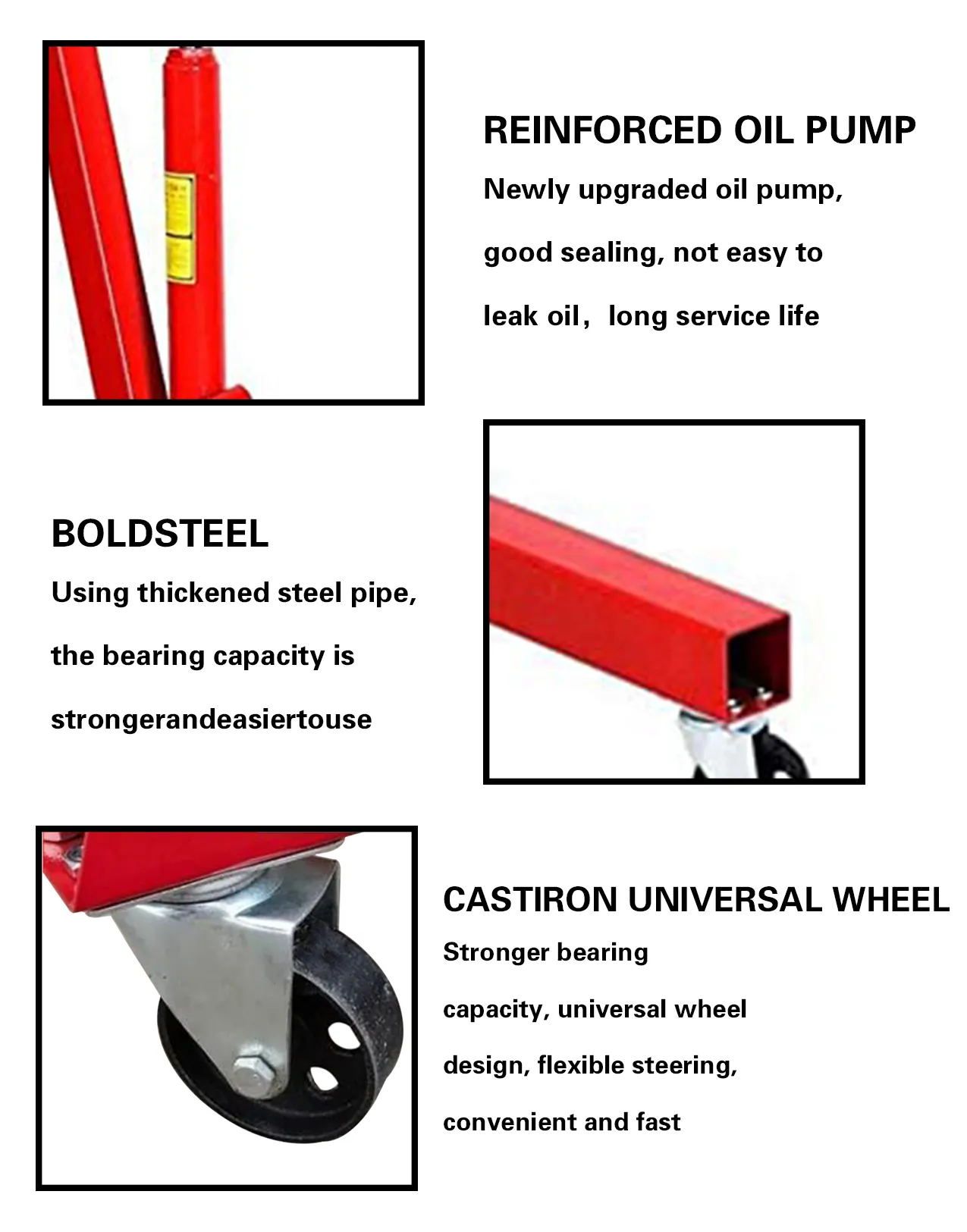
The core components of a 10-ton hydraulic kit are constructed from materials selected for their strength, ductility, and resistance to corrosion. The hydraulic cylinder itself is typically manufactured from high-strength carbon steel (AISI 1045 or equivalent) which undergoes heat treatment (quenching and tempering) to achieve a Rockwell hardness of 58-62 HRC. This provides high yield strength necessary to withstand immense pressures. Piston seals are commonly made from Nitrile Butadiene Rubber (NBR) or Polyurethane (PUR) chosen for their compatibility with hydraulic fluids and ability to maintain a tight seal under high pressure. The hydraulic pump housing is typically constructed from cast iron (ASTM A48 Class 30) providing durability and vibration dampening. The hydraulic fluid used is typically a mineral oil-based hydraulic fluid meeting ISO VG 32 or VG 46 standards; synthetic alternatives may be used in extreme temperature applications.
Manufacturing processes include precision machining of the cylinder bore to ensure smooth piston travel and minimal leakage. Welding processes, primarily shielded metal arc welding (SMAW) or gas metal arc welding (GMAW), are employed to fabricate the frame and support structures. Critical welds undergo non-destructive testing (NDT), such as radiographic or ultrasonic inspection, to verify weld integrity. Hydraulic hoses are manufactured via a braiding process utilizing high-tensile steel wire reinforced within a rubber matrix, providing burst strength and flexibility. Quality control focuses on hydrostatic testing of the cylinder and hoses to 1.5 times the working pressure and verification of proper seal installation and pump functionality. Parameter control during heat treatment is crucial; precise temperature and cooling rates influence the final hardness and microstructure of the steel components, directly impacting their fatigue life.
Performance & Engineering
The performance of a 10-ton hydraulic kit hinges on Pascal's Law, which states that pressure applied to a confined fluid is transmitted equally in all directions. This principle enables the multiplication of force through the hydraulic cylinder. Force calculation is directly proportional to the pressure applied and the piston area (Force = Pressure x Area). Engineering considerations include stress analysis of the cylinder walls to prevent yielding or rupture under maximum load. Finite element analysis (FEA) is often used to optimize the cylinder design and minimize material usage. Environmental resistance is a key factor; kits operating outdoors require corrosion protection, such as powder coating or galvanizing, to prevent rust and extend service life.
Compliance requirements vary by region, but generally include adherence to safety standards such as ANSI B119.2 for hydraulic power units. Functional implementation requires careful selection of hydraulic fittings and hoses to ensure compatibility with the fluid and operating pressure. Proper venting of the hydraulic system is essential to prevent airlocks and maintain consistent performance. The pump’s flow rate dictates the speed of the cylinder's extension and retraction. The system’s response time is also impacted by the volume of fluid and the diameter of the hydraulic lines. Force analysis involves calculating the maximum bending moment on the frame structure when the maximum load is applied, ensuring structural integrity and preventing deformation.
Technical Specifications
| Parameter | Specification | Unit | Test Method |
|---|---|---|---|
| Rated Capacity | 10 | tons | ASTM E4 |
| Working Pressure | 700 | bar | ISO 6020 |
| Cylinder Stroke | 150 | mm | Visual Inspection |
| Pump Type | Manual/Electric | - | Manufacturer’s Data Sheet |
| Hydraulic Fluid | ISO VG 32 | - | ISO 3448 |
| Operating Temperature Range | -20 to 80 | °C | ASTM D741 |
Failure Mode & Maintenance
Common failure modes in 10-ton hydraulic kits include piston seal failure, leading to hydraulic fluid leakage and pressure loss. This is often caused by abrasion, material degradation, or improper installation. Cylinder wall fatigue cracking can occur due to repeated stress cycles exceeding the material’s endurance limit. Pump failure can result from cavitation (formation of vapor bubbles in the fluid) or wear of internal components. Hydraulic hose rupture is a significant safety concern, often caused by exceeding the pressure rating, damage from abrasion, or aging of the rubber compound. Corrosion of metallic components, particularly in harsh environments, can lead to weakening and eventual failure. Delamination of weldments can occur due to insufficient penetration or inadequate weld quality.
Preventative maintenance is critical. This includes regular inspection of hydraulic hoses for cracks or wear, checking fluid levels and condition (looking for contamination or discoloration), lubricating moving parts, and inspecting welds for signs of cracking. Hydraulic fluid should be replaced according to the manufacturer’s recommendations (typically every 12-24 months). Piston seals should be inspected and replaced periodically. Cylinder walls should be inspected for scratches or pitting. If a leak is detected, the source should be identified and repaired immediately. For fatigue cracking, consider reducing the operating load or implementing a more frequent inspection schedule. Proper storage of the kit in a clean, dry environment will minimize corrosion.
Industry FAQ
Q: What is the expected lifespan of a 10-ton hydraulic cylinder under continuous, heavy use?
A: The lifespan depends heavily on operating conditions and maintenance. However, a well-maintained cylinder constructed from high-quality materials can reasonably be expected to provide 5,000 - 10,000 cycles under full load before requiring significant repair or replacement. Regular inspection and fluid changes are crucial to maximizing its lifespan.
Q: What type of hydraulic fluid is recommended for operation in temperatures below -10°C?
A: For low-temperature operation, a synthetic hydraulic fluid with a low pour point (typically -40°C or lower) is recommended. Mineral oil-based fluids can become viscous and ineffective at extremely low temperatures. Ensure the fluid is compatible with the seal materials.
Q: What are the critical safety precautions when operating a 10-ton hydraulic kit?
A: Always wear appropriate personal protective equipment (PPE), including safety glasses and gloves. Ensure the load is securely supported and properly centered. Never exceed the rated capacity of the kit. Inspect all components for damage before each use. Never stand in the direct path of the hydraulic cylinder during operation. Implement lockout/tagout procedures during maintenance.
Q: What is the typical failure rate for hydraulic hoses in these kits, and how can it be minimized?
A: Hydraulic hose failure rates vary, but typically range from 1-3% annually. Minimization strategies include using high-quality hoses with appropriate pressure ratings, protecting hoses from abrasion and kinking, and regularly inspecting them for signs of wear or damage. Avoid sharp bends and ensure proper hose routing.
Q: What non-destructive testing (NDT) methods are commonly used to assess the integrity of welded frame components?
A: Common NDT methods include visual inspection for surface cracks, dye penetrant testing to detect surface flaws, magnetic particle inspection for detecting subsurface cracks, and ultrasonic testing for evaluating weld penetration and detecting internal defects. Radiographic testing provides a complete internal view of the weld but requires specialized equipment and trained personnel.
Conclusion
The 10-ton hydraulic kit represents a versatile and cost-effective solution for applications requiring substantial force application. Its performance is inextricably linked to the properties of the constituent materials – high-strength steel, resilient elastomers, and compatible hydraulic fluids – and the precision of the manufacturing processes employed. Understanding the potential failure modes, from seal degradation to cylinder fatigue, is paramount to ensuring operational safety and maximizing the kit’s service life.
Implementing a robust preventative maintenance program, adhering to relevant industry standards, and selecting appropriate hydraulic fluids for the operating environment are essential for sustained performance. Future developments may focus on incorporating advanced sensor technologies for real-time monitoring of pressure, temperature, and load, enabling predictive maintenance and optimized operation. These kits will continue to play a crucial role in numerous industrial sectors requiring reliable and portable force generation capabilities.
