Introduction
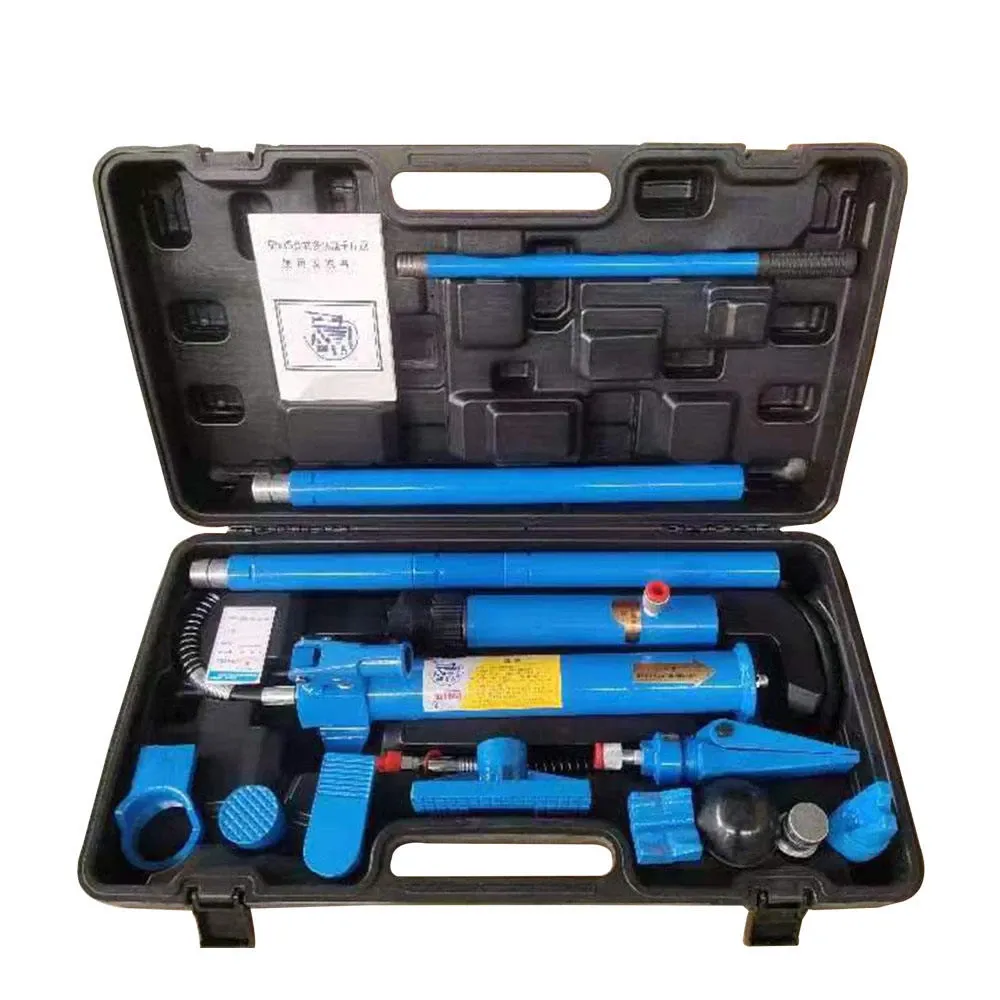
10-ton Porta Power accessories represent a critical component within the broader hydraulic tool landscape, serving industries ranging from automotive repair and construction to industrial maintenance and emergency response. These accessories, designed for use with hydraulic cylinders, provide a safe and efficient means of applying substantial force for tasks such as bending, spreading, punching, and pressing. Unlike permanently installed hydraulic systems, Porta Power tools are portable and self-contained, offering operational flexibility in remote or confined spaces. Their core performance characteristic lies in their capacity to deliver a controlled, high-tonnage output through a relatively simple, manually operated pumping mechanism. A primary industry pain point centers around accessory durability under repeated high-stress cycles, material compatibility with various workpieces, and maintaining consistent operational pressure. Selection considerations are critical as mismatched accessories can lead to tool failure, workpiece damage, and operator injury. This guide provides a comprehensive technical overview of 10-ton Porta Power accessories, covering material science, manufacturing processes, performance engineering, potential failure modes, and relevant industry standards.
Material Science & Manufacturing
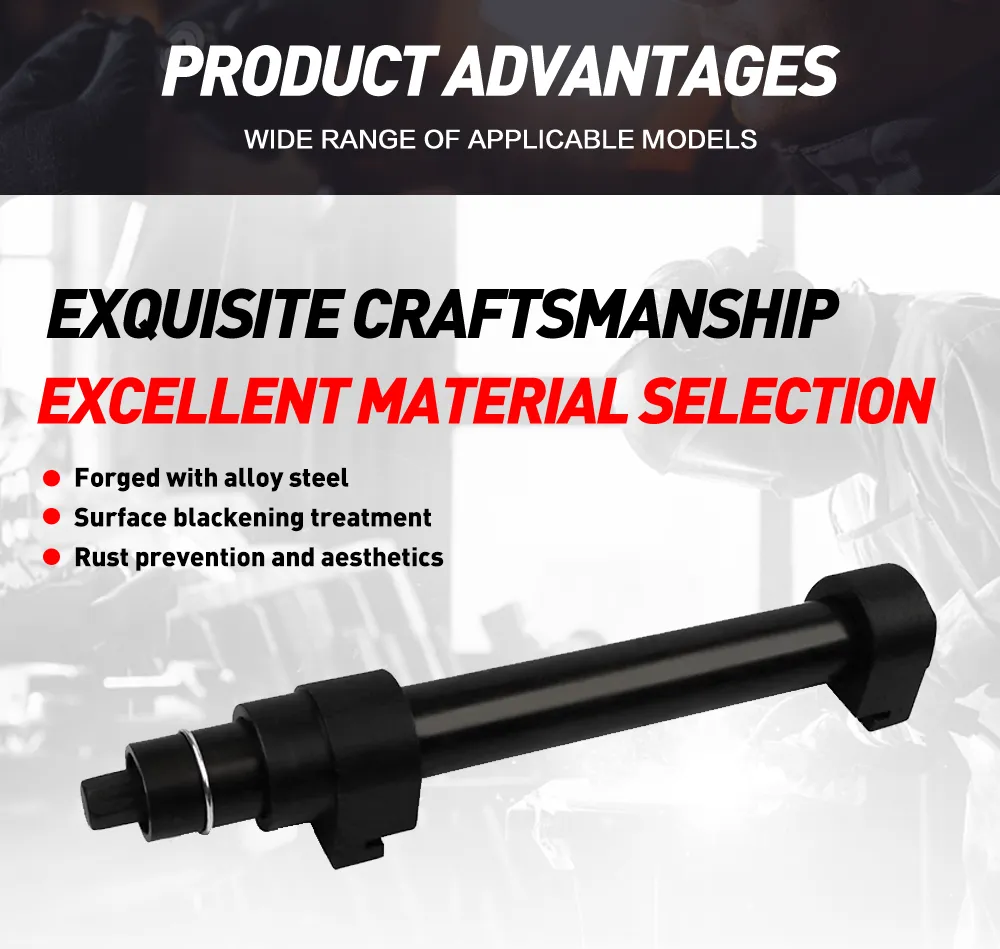
The construction of 10-ton Porta Power accessories hinges on the careful selection of materials to withstand extreme pressures and prevent premature failure. Hydraulic cylinders, the core of the system, are commonly manufactured from high-strength alloy steels, typically 4140 or similar chromium-molybdenum alloys. These steels offer exceptional tensile strength (typically exceeding 800 MPa) and yield strength (around 650 MPa), crucial for resisting deformation under load. The inner surface of the cylinder is subjected to a honing process to achieve a surface roughness (Ra) of 0.8 μm or less, minimizing friction and preventing seal damage. Piston rods are often made of hardened and tempered alloy steel, frequently coated with hard chrome plating (typically 25-50 μm thick) to enhance corrosion resistance and improve wear characteristics. Accessory jaws and adapters are typically forged from medium carbon steel (e.g., 1045 steel) for strength and are often heat-treated for increased hardness. Hydraulic hoses are typically constructed from multi-layered reinforced rubber, commonly incorporating two steel wire braids for pressure containment. Manufacturing processes include precision machining, forging, heat treatment, and chrome plating. Critical parameter control focuses on dimensional accuracy of cylinder bores, surface finish quality, heat treatment temperature control to achieve desired hardness levels (typically 50-55 HRC for jaws), and hose burst pressure testing (typically exceeding 60 MPa). Improper heat treatment can lead to brittle fracture, while inadequate surface finish compromises seal integrity. Quality control protocols include non-destructive testing (NDT) methods such as ultrasonic testing and magnetic particle inspection to detect internal flaws and surface cracks.
Performance & Engineering
The performance of 10-ton Porta Power accessories is governed by fundamental principles of fluid mechanics and material stress. The force output is directly proportional to the hydraulic pressure applied and the effective area of the cylinder piston. Force (F) = Pressure (P) x Area (A). Engineering considerations center around minimizing pressure losses due to friction within the cylinder and hose lines. The efficiency of the system is affected by seal friction, fluid viscosity, and hose internal diameter. Environmental resistance is a key factor; accessories operating in corrosive environments (e.g., marine applications) require materials with enhanced corrosion resistance or protective coatings. Compliance requirements dictate adherence to safety standards, including pressure relief valve functionality to prevent over-pressurization and hose burst prevention. Functional implementation relies on accurate alignment of the cylinder and workpiece to distribute the load evenly and prevent side loading. Side loading can induce bending moments that exceed the cylinder’s load capacity, leading to failure. Force analysis involves calculating the stress concentration around critical areas, such as the cylinder bore and piston rod connection. Fatigue analysis is crucial to assess the long-term durability of the accessories under repeated loading cycles. The selection of hydraulic fluid is also critical; mineral oil-based hydraulic fluids are commonly used, but synthetic fluids may be preferred for extreme temperature applications. Hydraulic fluid viscosity must be maintained within the manufacturer’s recommended range to ensure optimal performance and prevent seal damage.
Technical Specifications
| Parameter | Specification | Testing Method | Tolerance |
|---|---|---|---|
| Maximum Operating Pressure | 70 MPa (10,000 psi) | Hydraulic Pressure Gauge Calibration (ASTM E74) | ± 3% |
| Cylinder Stroke Length | 150 mm (6 inches) | Dimensional Measurement (ISO 3302-1) | ± 1 mm |
| Piston Rod Diameter | 25 mm (1 inch) | Calibrated Vernier Caliper (ISO 3650) | ± 0.02 mm |
| Cylinder Bore Diameter | 50 mm (2 inches) | Internal Micrometer (ISO 3650) | ± 0.02 mm |
| Hose Burst Pressure | 210 MPa (30,000 psi) | Hydrostatic Pressure Testing (ISO 3865) | No Leakage |
| Jaw Opening Capacity | 50 mm (2 inches) | Visual Inspection and Measurement | ± 1 mm |
Failure Mode & Maintenance
Common failure modes in 10-ton Porta Power accessories include fatigue cracking of the cylinder bore due to repeated stress cycles, seal degradation leading to hydraulic fluid leakage, piston rod bending or shear due to side loading, and corrosion of metal components. Fatigue cracking typically initiates at stress concentration points, such as internal threads or sharp corners. Seal degradation is often caused by exposure to high temperatures, incompatible fluids, or abrasive contaminants. Piston rod failure is often a result of exceeding the load capacity or improper alignment. Corrosion can lead to pitting and weakening of metal components, particularly in humid or corrosive environments. Maintenance procedures include regular inspection of hoses for cracks and wear, checking hydraulic fluid levels and condition (including viscosity and contamination), lubricating moving parts, and cleaning accessories to remove dirt and debris. Preventive maintenance should also include periodic pressure testing to ensure the system is operating within safe parameters. If a hydraulic leak is detected, the source of the leak must be identified and repaired promptly. Worn or damaged seals should be replaced with manufacturer-approved replacements. Regularly check the chrome plating on the piston rod for signs of damage, as this coating protects against corrosion. In the event of cylinder failure, a thorough inspection should be conducted to determine the root cause and prevent recurrence. Proper storage is also essential; accessories should be stored in a clean, dry environment to prevent corrosion.
Industry FAQ
Q: What is the primary factor affecting the lifespan of a Porta Power cylinder?
A: The primary factor is consistent and proper loading. Excessive side loading, exceeding the rated tonnage, or repeated cycling at maximum pressure significantly reduces lifespan through fatigue failure and seal damage. Maintaining proper alignment and avoiding shock loads are crucial.
Q: What type of hydraulic fluid is recommended for optimal performance in cold climates?
A: A synthetic hydraulic fluid with a low pour point is recommended. Mineral oil-based fluids can become too viscous in cold temperatures, reducing efficiency and potentially damaging the pump. Viscosity index (VI) should be high to minimize viscosity changes with temperature.
Q: How can I identify a failing seal in a Porta Power cylinder?
A: External leakage of hydraulic fluid is the most obvious indicator. However, reduced force output, slow cylinder retraction, or erratic operation can also suggest seal failure. A pressure drop during operation can confirm a leak.
Q: What is the recommended torque specification for tightening hydraulic hose fittings?
A: Torque specifications vary depending on the fitting type and size. Generally, manufacturers recommend using a calibrated torque wrench and adhering to the specifications outlined in the accessory’s manual, typically within the range of 30-50 Nm for standard fittings. Over-tightening can damage the fittings and hose.
Q: Are Porta Power accessories interchangeable between different manufacturers?
A: While some accessories may appear compatible, interchangeability is not guaranteed. Differences in thread sizes, pressure ratings, and material specifications can lead to compatibility issues and potential safety hazards. It is always recommended to use accessories specifically designed for the Porta Power system.
Conclusion
The reliable performance of 10-ton Porta Power accessories is predicated on a confluence of factors, encompassing material science, precise manufacturing techniques, rigorous engineering design, and diligent maintenance practices. Understanding the interplay between hydraulic principles, material properties, and potential failure modes is essential for maximizing the tool’s lifespan and ensuring operational safety. The selection of appropriate accessories, coupled with adherence to recommended operating procedures, directly impacts both efficiency and long-term cost-effectiveness.
Looking forward, advancements in materials science, such as the development of higher-strength alloy steels and more durable seal materials, will contribute to increased accessory longevity and performance. Furthermore, integration of sensor technology for real-time pressure monitoring and predictive maintenance could proactively identify potential issues before they escalate into failures. Continuous improvement in manufacturing processes, particularly those focused on dimensional accuracy and surface finish quality, will remain critical for maintaining the high standards demanded by industrial applications.
