Introduction
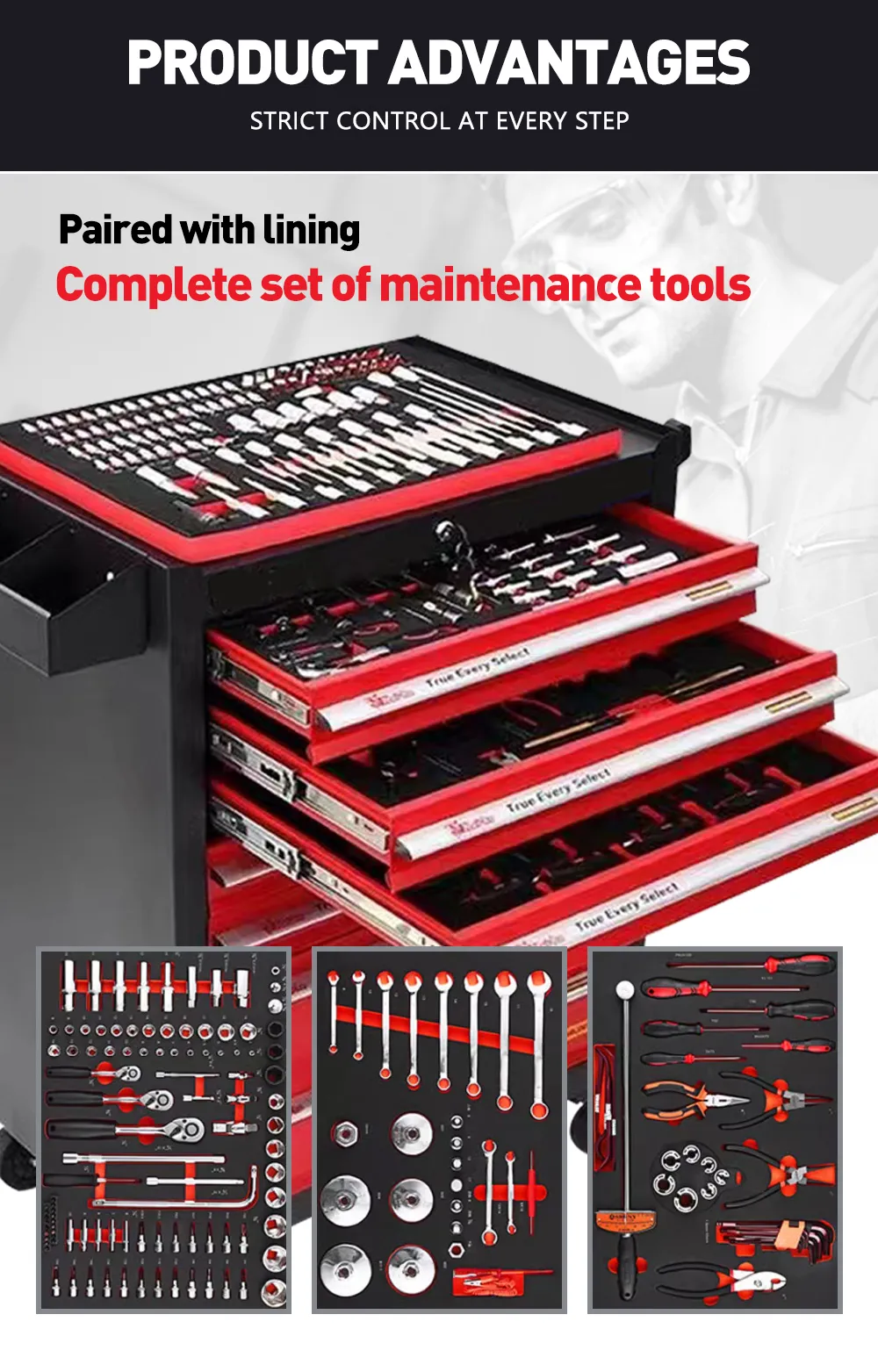
The 2-ton floor jack case represents a critical component in the safe and efficient operation of hydraulic lifting equipment within automotive, industrial maintenance, and heavy equipment sectors. It functions as a protective housing and transportation solution for floor jacks, safeguarding internal mechanisms from environmental contaminants, physical damage, and unauthorized access. This guide provides a detailed analysis of the material science, manufacturing processes, performance characteristics, potential failure modes, and industry standards governing 2-ton floor jack case construction. The primary pain points in this industry revolve around ensuring impact resistance, corrosion prevention, and longevity of the case given the often harsh operational environments. Cases failing prematurely lead to costly jack repairs, operational downtime, and potential safety hazards. This detailed examination aims to provide a comprehensive resource for engineers, procurement managers, and quality control personnel involved in the sourcing, utilization, and maintenance of floor jack cases.
Material Science & Manufacturing
The predominant material utilized in 2-ton floor jack case construction is high-density polyethylene (HDPE). HDPE is selected for its high impact strength, relatively low cost, and inherent corrosion resistance. Alternative materials include polypropylene (PP) for lighter-duty applications and, less commonly, acrylonitrile butadiene styrene (ABS) for applications requiring higher rigidity. The raw HDPE typically exhibits a melt flow index (MFI) ranging from 8 to 12 g/10min, indicative of a molecular weight suitable for injection molding. Additives, such as UV stabilizers and impact modifiers, are frequently incorporated to enhance material performance. Manufacturing typically involves injection molding. The process requires precise control of mold temperature (typically 30-60°C), injection pressure (typically 70-100 MPa), and cooling rates. Wall thickness is a critical parameter, generally ranging from 3-5mm to provide adequate structural integrity. Ribbing and strategically placed gussets are integrated into the mold design to maximize stiffness and minimize material usage. Post-molding operations may include deburring, surface finishing (texturing to conceal scratches), and hardware installation (hinges, latches, handles). Quality control measures involve dimensional inspection, impact testing (Izod or Charpy), and visual inspection for defects like sink marks or weld lines. Material traceability, ensuring the HDPE resin meets specified standards, is also crucial.
Performance & Engineering
The primary performance requirement of a 2-ton floor jack case is its ability to withstand impact forces during handling and transportation. Engineering analysis, including finite element analysis (FEA), is employed to optimize case geometry and material thickness to minimize stress concentrations. Impact testing simulates real-world scenarios, evaluating the case’s resistance to deformation and fracture. Drop tests, from varying heights and orientations, are common. The case also needs to provide environmental protection, specifically resistance to moisture, dust, and oil. This necessitates a tight seal between the case components, achieved through gasket design and precise molding tolerances. Latch mechanisms are designed for secure closure, preventing accidental opening during transport. Stacking capability is also a key consideration, requiring reinforcement in areas subjected to compressive loads. The handle integration point must be engineered to withstand cyclical loading during carrying. Compliance requirements include adherence to regulations concerning hazardous material transportation (if the floor jack contains hydraulic fluid) and ergonomic design principles for ease of handling. Long-term durability is assessed through accelerated weathering tests, simulating exposure to UV radiation, temperature fluctuations, and humidity.
Technical Specifications
| Parameter | Unit | Specification | Test Method |
|---|---|---|---|
| Impact Resistance | Joule | ≥ 40 | Izod Notched Impact Test (ASTM D256) |
| Tensile Strength | MPa | ≥ 20 | ASTM D638 |
| Flexural Modulus | GPa | 1.0 - 1.5 | ASTM D790 |
| Water Absorption | % | ≤ 0.5 | ASTM D570 |
| UV Resistance | Hours to 50% Retention | ≥ 500 | ASTM G154 |
| Operating Temperature Range | °C | -20 to +60 | Internal Testing |
Failure Mode & Maintenance
Common failure modes for 2-ton floor jack cases include cracking at stress concentration points (hinges, latching areas), deformation due to prolonged exposure to elevated temperatures, and degradation of the HDPE material due to UV exposure. Fatigue cracking can occur in areas subject to repeated loading, such as handle attachment points. Delamination may occur if the material is improperly molded or contains internal voids. Chemical attack, from exposure to aggressive fluids (e.g., brake cleaner, solvents), can lead to material swelling and reduced impact resistance. Preventative maintenance includes regular inspection for cracks, deformation, and damage to latching mechanisms. Cleaning the case with mild soap and water is recommended. Avoid using abrasive cleaners or solvents. UV protection can be enhanced by storing the case indoors when not in use. If cracks are detected, the case should be replaced immediately. Proper handling during transportation is crucial to prevent impact damage. Replacement parts, such as latches and hinges, may be available from the manufacturer. A complete failure analysis should be conducted if catastrophic failure occurs to determine the root cause and prevent recurrence.
Industry FAQ
Q: What is the typical lifespan of a 2-ton floor jack case under normal operating conditions?
A: The typical lifespan varies based on usage frequency, environmental exposure, and material quality, but a well-maintained HDPE case can reasonably be expected to last 5-7 years. Cases subjected to frequent impacts or prolonged UV exposure will likely have a shorter lifespan.
Q: Can the case be repaired if it develops a minor crack?
A: Repairing a cracked case is generally not recommended. HDPE welding is possible but often compromises the structural integrity of the case, especially in critical load-bearing areas. Replacement is the safest and most reliable option.
Q: What are the key considerations when selecting a case material for use in a corrosive environment?
A: In corrosive environments, consider using HDPE with enhanced chemical resistance additives. Alternatively, polypropylene (PP) offers superior resistance to many chemicals compared to HDPE. Thoroughly assess the specific chemicals present in the operating environment to ensure material compatibility.
Q: What are the advantages and disadvantages of using ABS versus HDPE for the case?
A: ABS offers higher rigidity and gloss finish than HDPE, but it is more brittle and has lower impact resistance. ABS is also more susceptible to UV degradation and is generally more expensive. HDPE is preferred for its balance of impact resistance, cost, and chemical resistance.
Q: How important is the latching mechanism design for ensuring the case’s functionality?
A: The latching mechanism is critically important. A secure and reliable latching mechanism prevents accidental opening during transport and handling, protecting the floor jack from damage and potential injury. The latch should be designed for ease of operation and resistance to accidental release.
Conclusion
The 2-ton floor jack case, while seemingly a simple component, plays a vital role in the safety, durability, and operational efficiency of hydraulic lifting equipment. The selection of HDPE as the primary material, coupled with meticulous injection molding processes and rigorous quality control, ensures adequate impact resistance, environmental protection, and longevity. Understanding the potential failure modes – cracking, deformation, UV degradation – and implementing preventative maintenance practices are critical for maximizing case lifespan and minimizing downtime.
Future developments may involve exploring alternative materials, such as recycled plastics and composite materials, to reduce environmental impact and enhance performance characteristics. Continuous refinement of FEA modeling and impact testing protocols will further optimize case design for improved structural integrity. The integration of smart features, such as RFID tags for asset tracking, could also become increasingly common.
