Introduction
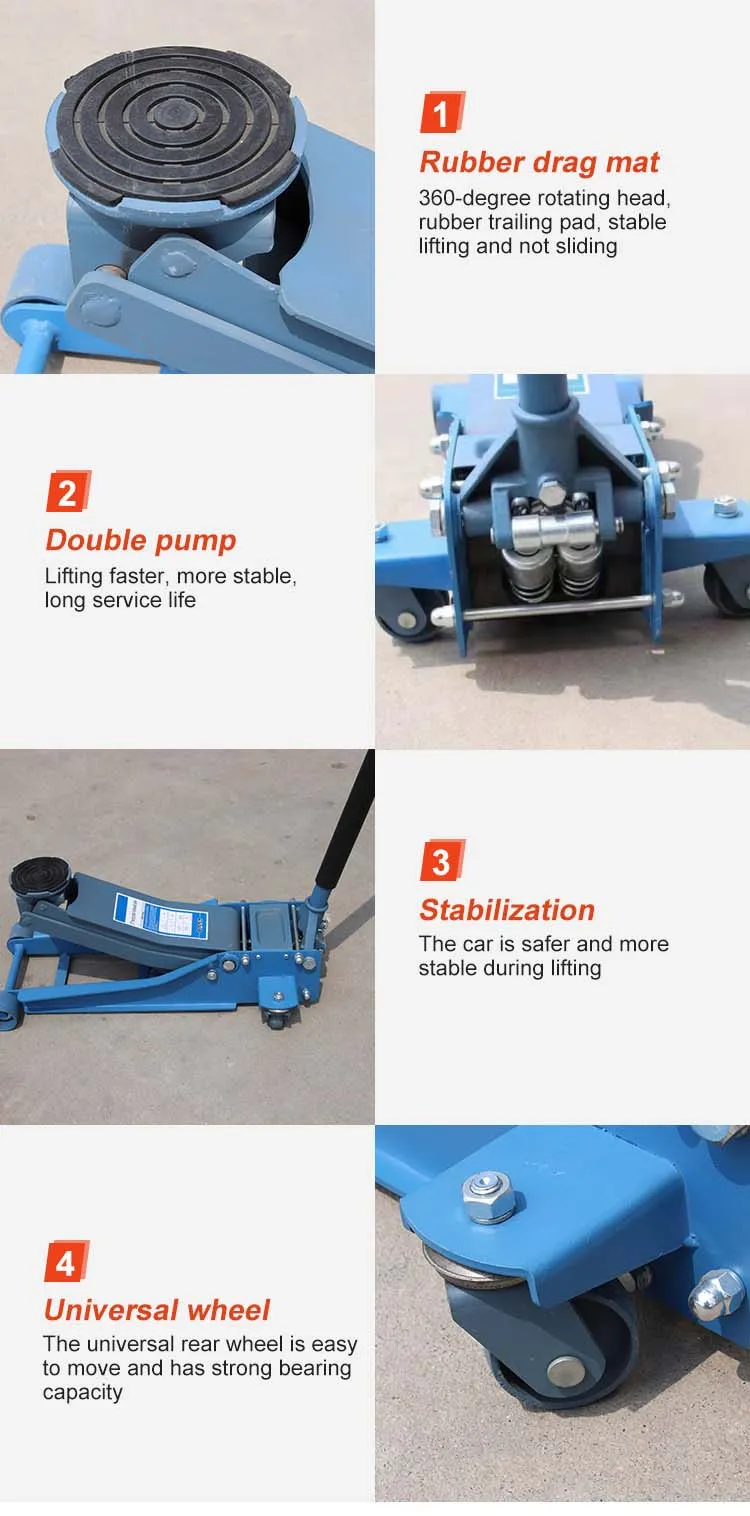
The 2-ton jack case represents a critical component in the safe and efficient operation of hydraulic jack systems, primarily utilized in automotive repair, heavy equipment maintenance, and construction. Functioning as a protective housing and transport solution, the case ensures the integrity of the jack’s hydraulic components against environmental factors, physical damage, and contamination. Its design directly impacts portability, operational longevity, and worker safety. Within the broader materials handling and lifting equipment industry, the 2-ton jack case is a common accessory, often constructed from polypropylene, polyethylene, or steel. Core performance metrics center around impact resistance, load-bearing capacity when stacked, resistance to chemical exposure (oils, solvents), and ergonomic design for ease of transport. A key pain point for industry users is the balance between robust construction for durability and lightweight design for portability, as well as ensuring effective internal organization of the jack and associated accessories.
Material Science & Manufacturing
The predominant material for 2-ton jack cases is polypropylene (PP), favoured for its cost-effectiveness, impact resistance, and chemical inertness. High-density polyethylene (HDPE) is also utilized, offering increased rigidity and temperature resistance. Steel cases, typically employing carbon steel with a powder coat finish, provide the highest level of durability and protection but at the expense of increased weight. PP and HDPE are thermoplastic polymers created through the polymerization of propylene and ethylene respectively. Manufacturing processes vary based on material selection. PP and HDPE cases are almost exclusively produced via injection molding. This process involves injecting molten polymer into a closed mold cavity, allowing it to cool and solidify into the desired shape. Critical parameters include mold temperature (typically 40-60°C for PP, 30-50°C for HDPE), injection pressure (50-150 MPa), and cooling time (20-60 seconds). Steel cases are manufactured through sheet metal fabrication processes, including cutting, bending, welding, and finishing. Welding techniques (MIG, TIG) must be carefully controlled to ensure weld integrity and prevent corrosion. The powder coat finish requires precise application and curing to achieve adequate adhesion and corrosion resistance. The polymer’s melt flow index (MFI) directly affects the ease of processing and the final part’s mechanical properties. Batch consistency of raw materials is crucial for maintaining uniform case quality.
Performance & Engineering
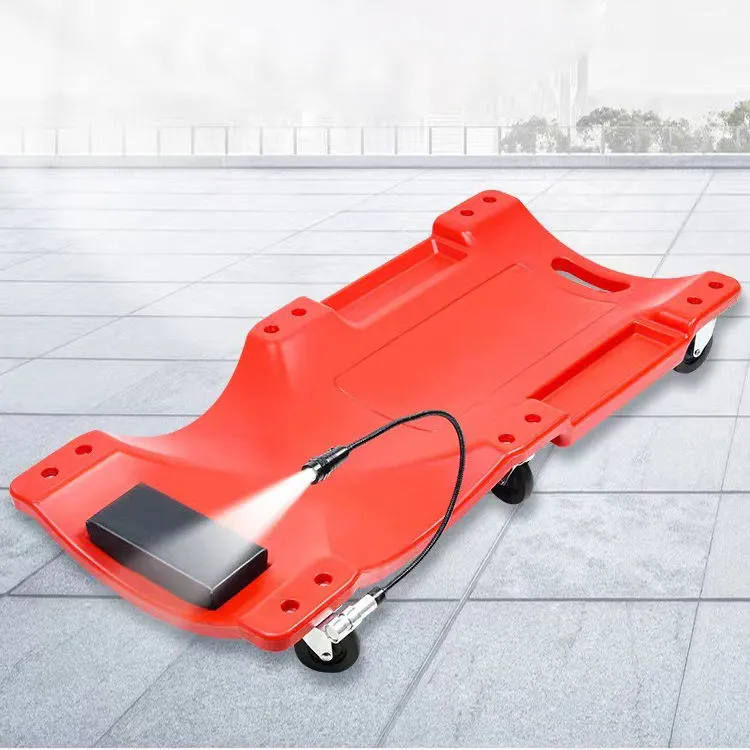
Performance analysis of 2-ton jack cases centers around load distribution, impact resistance, and environmental resilience. Finite Element Analysis (FEA) is frequently employed during the design phase to model stress concentrations under various loading conditions, including static loads during storage and dynamic loads during transport. Impact resistance is typically assessed using drop tests, adhering to standards such as ASTM D3037, to determine the energy absorption capacity of the case. The case must adequately protect the jack’s internal components from damage during handling and accidental drops. Environmental resistance is crucial, particularly concerning exposure to hydraulic fluids, solvents, and UV radiation. Polymer cases must exhibit minimal degradation in mechanical properties following prolonged exposure. Steel cases require corrosion protection to prevent rust formation. Ergonomic considerations are paramount; the case should incorporate handles or features that facilitate easy lifting and carrying. Stackability is another important factor for storage optimization. Engineering design must account for the weight and dimensions of the jack itself, as well as any accompanying accessories (e.g., extension bars, adaptors). A key engineering challenge is minimizing the case's overall weight while maintaining sufficient structural integrity to withstand anticipated stresses.
Technical Specifications
| Material | Dimensions (L x W x H, cm) | Weight (kg) | Impact Resistance (Joule) |
|---|---|---|---|
| Polypropylene (PP) | 65 x 30 x 25 | 3.5 | 80 |
| High-Density Polyethylene (HDPE) | 65 x 32 x 28 | 4.2 | 120 |
| Carbon Steel (with powder coat) | 68 x 35 x 30 | 7.5 | 200 |
| Polypropylene (PP) – Reinforced | 65 x 30 x 25 | 4.0 | 100 |
| HDPE - UV Stabilized | 65 x 32 x 28 | 4.5 | 120 |
| Carbon Steel (Stainless Steel Finish) | 68 x 35 x 30 | 8.5 | 250 |
Failure Mode & Maintenance
Common failure modes for 2-ton jack cases include cracking (particularly in polymer cases due to impact or stress fatigue), deformation (under sustained load), hinge failure (on cases with hinged lids), and corrosion (in steel cases). Polymer cases are susceptible to environmental stress cracking (ESC) when exposed to certain chemicals. Impact damage can lead to localized yielding and crack propagation. Steel cases can exhibit corrosion at weld points or areas where the powder coat finish is compromised. Fatigue cracking can occur in areas of high stress concentration, such as corners or attachment points. Maintenance involves regular inspection for cracks, deformation, or corrosion. Polymer cases should be cleaned with mild soap and water; avoid using harsh solvents. Steel cases should be periodically inspected for rust and re-coated if necessary. Hinges should be lubricated to ensure smooth operation. If significant damage is detected, the case should be replaced to prevent potential hazards. Proper storage in a dry, temperature-controlled environment can extend the lifespan of the case. Addressing a cracked case immediately is vital as it compromises the integrity of the jack's protection and can lead to component damage or personal injury.
Industry FAQ
Q: What is the primary difference between a polypropylene and a steel jack case regarding long-term durability?
A: While steel offers superior impact resistance and durability in harsh environments, polypropylene’s resistance to corrosion and its lighter weight provide advantages in general use. Long-term durability in steel relies heavily on the quality of the powder coating and preventative maintenance against rust. Polypropylene, though susceptible to cracking, doesn't corrode, making it a more suitable option where constant exposure to moisture and chemicals is not a concern.
Q: How does the case design impact the overall safety of using a hydraulic jack?
A: A well-designed case securely houses the jack, preventing accidental contact with moving parts and protecting it from damage. Properly designed carrying handles and a stable base enhance portability and reduce the risk of dropping the jack during use. A secure latching mechanism prevents the jack from inadvertently opening during transport, minimizing potential hazards.
Q: What standards are used to evaluate the impact resistance of jack cases?
A: ASTM D3037 is a commonly used standard for evaluating the impact resistance of plastic materials, including those used in jack cases. This test involves dropping a weighted projectile onto the case and measuring the energy absorbed. Other relevant standards may include those specific to transportation and packaging, depending on the intended application.
Q: Can exposure to hydraulic fluid degrade the material of a polypropylene jack case?
A: Prolonged exposure to certain hydraulic fluids can cause swelling and degradation of polypropylene. While polypropylene is generally resistant to many chemicals, compatibility should be verified with the specific hydraulic fluid used. Using a case constructed from HDPE or a polypropylene blend with enhanced chemical resistance is recommended for applications involving aggressive fluids.
Q: What are the key considerations when selecting a jack case for stacking during storage?
A: Cases intended for stacking should have reinforced corners and a rigid base to prevent deformation under load. The stacking height should be limited to ensure stability and prevent the lower cases from being crushed. The case material should also be able to withstand the compressive forces associated with stacking without cracking or warping.
Conclusion
The 2-ton jack case, while seemingly a simple component, plays a pivotal role in ensuring the safe and reliable operation of hydraulic lifting equipment. Material selection—primarily between polypropylene, HDPE, and steel—dictates the balance between cost, weight, durability, and environmental resistance. Understanding the manufacturing processes, performance characteristics, and potential failure modes is critical for selecting a case that meets the specific demands of the application. Through careful engineering design and adherence to relevant industry standards, manufacturers can provide robust and dependable jack cases that enhance operational efficiency and minimize safety risks.
Future developments in jack case technology are likely to focus on the integration of lightweight, high-strength composite materials, improved ergonomic designs, and enhanced features for organization and accessory storage. The increasing emphasis on sustainability will drive the adoption of recycled polymers and bio-based materials. Furthermore, advancements in FEA and predictive modeling will enable manufacturers to optimize case designs for specific loading scenarios and environmental conditions, resulting in even more durable and reliable products. The integration of RFID or barcode tracking systems for asset management is also a potential area of innovation.
