Introduction
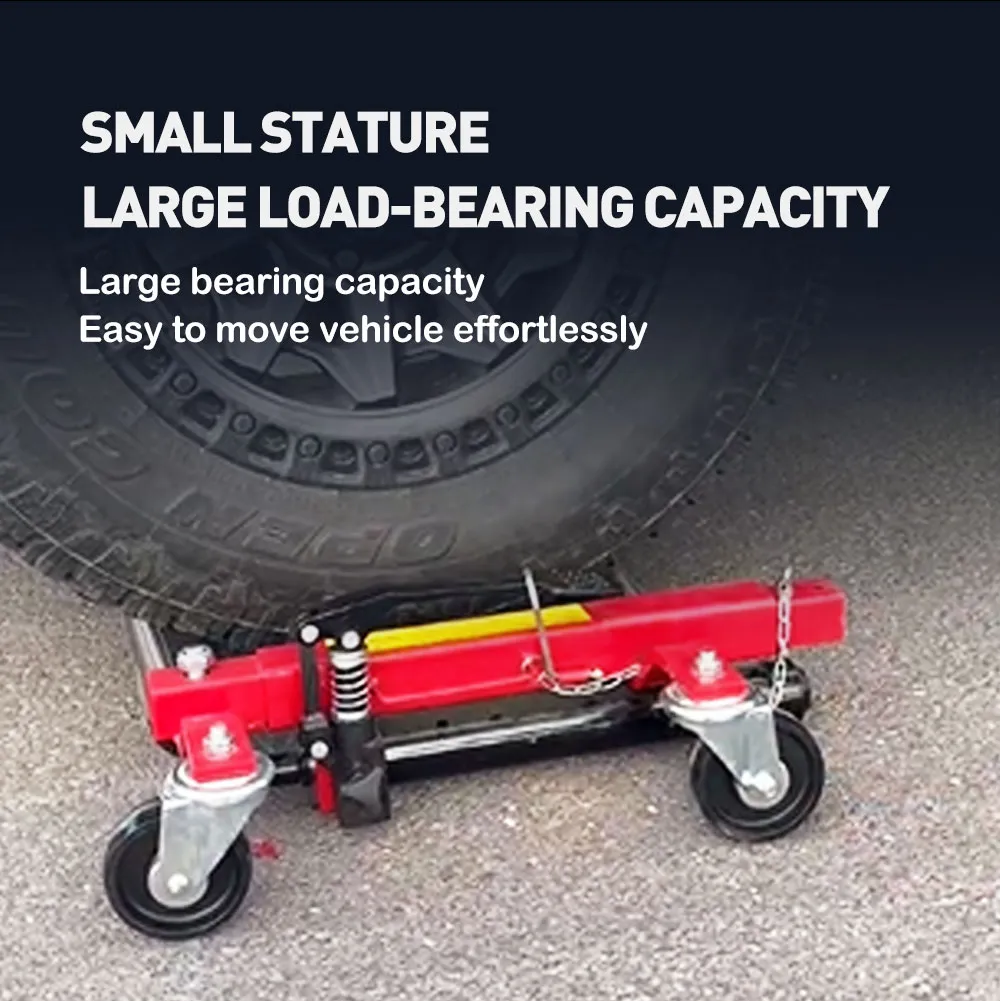
A 2-ton lift jack is a mechanical device utilized to lift heavy loads typically within the 2000 kg (4400 lbs) capacity range. Positioned within the material handling and automotive/industrial maintenance sectors, it serves as a critical component for vehicle repair, construction, and industrial applications requiring temporary elevation of equipment. Unlike hydraulic jacks which rely on fluid pressure, this discussion focuses on mechanical lift jacks – specifically screw-type jacks - leveraging mechanical advantage through a threaded screw and pawl system. Core performance characteristics include lifting height, load capacity, stability under load, and operational safety mechanisms. The growing demand for safer and more reliable lifting solutions necessitates a deep understanding of the materials, manufacturing, and engineering principles behind these crucial tools. A primary pain point in the industry revolves around ensuring jack stability at maximum load, preventing accidental lowering, and mitigating material fatigue over prolonged use. Another is the need for robust, corrosion-resistant construction to withstand harsh operating environments.
Material Science & Manufacturing
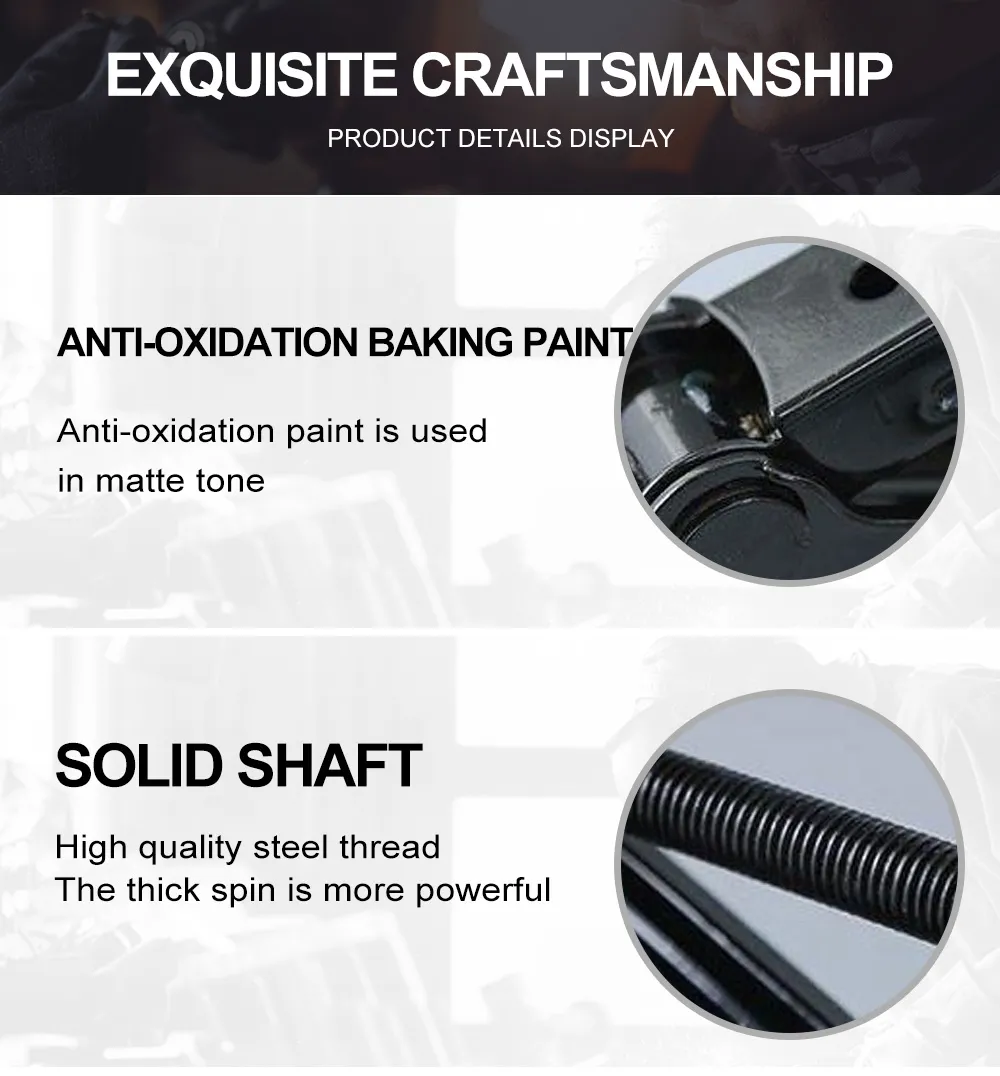
The primary materials for a 2-ton mechanical lift jack are high-strength steel alloys. The lifting screw is typically constructed from AISI 1045 carbon steel, selected for its high tensile strength (approximately 620 MPa) and good machinability. The jack housing, support arms, and pawl mechanisms are commonly manufactured from AISI 1018 or equivalent low carbon steel, providing adequate strength and weldability. The base is often constructed from heavier gauge steel for enhanced stability. Manufacturing processes include forging for high-stress components (like the screw), followed by precision machining to achieve accurate thread profiles and tolerances. The screw is manufactured via cold rolling or cutting, with cold rolling preferred for superior surface finish and fatigue resistance. The pawl and ratchet mechanism undergo heat treatment – typically induction hardening – to increase surface hardness and wear resistance. Welding, primarily shielded metal arc welding (SMAW) or gas metal arc welding (GMAW), is employed for assembling the base and support structures. Critical parameter control during manufacturing includes thread pitch accuracy (±0.02mm), surface roughness of the screw (Ra < 0.8µm) to minimize friction, and hardness verification of heat-treated components (HRC 45-50). Material compatibility between steel components is vital to prevent galvanic corrosion, particularly in humid environments. Surface treatments like phosphate coating or painting are applied to provide a corrosion barrier.
Performance & Engineering
The performance of a 2-ton lift jack is directly linked to its mechanical advantage and structural integrity. Force analysis dictates that the lifting force is a function of the applied torque and the screw pitch. The mechanical advantage (MA) is calculated as 2πr/p, where r is the handle length and p is the screw pitch. A longer handle increases MA, reducing the operator’s required force, but also increases the time to lift the load. Stability under load is paramount. The base footprint and center of gravity are engineered to prevent tipping. The jack's geometry is designed to ensure that the line of action of the load remains within the base area. Environmental resistance involves consideration of temperature extremes and corrosive environments. Steel is susceptible to oxidation, reducing its strength and increasing the risk of failure. Protective coatings mitigate this risk. Compliance requirements include adherence to ASME B30.1 standards for mobile hydraulic and mechanical jacks, which specify minimum design factors, testing procedures, and marking requirements. The pawl mechanism undergoes rigorous testing for shear strength and fatigue life to prevent accidental load dropping. Finite element analysis (FEA) is frequently employed during the design phase to identify stress concentrations and optimize the structural design.
Technical Specifications
| Capacity | Lifting Range | Minimum Height | Screw Diameter |
|---|---|---|---|
| 2000 kg (4400 lbs) | 135 mm – 380 mm (5.3 in – 15.0 in) | 135 mm (5.3 in) | 25 mm (1.0 in) |
| Material (Screw) | Material (Housing) | Pawl Engagement Angle | Handle Length |
| AISI 1045 Carbon Steel | AISI 1018 Low Carbon Steel | 15 degrees | 400 mm (15.7 in) |
| Weight | Surface Treatment | Design Standard | Thread Pitch |
| 12 kg (26.5 lbs) | Phosphate Coating & Paint | ASME B30.1 | 6 mm (0.236 in) |
| Safety Factor | Operating Temperature Range | Maximum Handle Torque | Base Width |
| 4:1 | -20°C to 80°C (-4°F to 176°F) | 80 Nm (59 lb-ft) | 200 mm (7.9 in) |
Failure Mode & Maintenance
Common failure modes for 2-ton lift jacks include screw thread stripping, pawl mechanism failure, and structural deformation of the base or housing. Screw thread stripping occurs due to exceeding the load capacity or repetitive loading causing fatigue. Pawl failure is frequently linked to wear, corrosion, or impact damage. Structural deformation, often manifested as bending or cracking, results from exceeding the design load or material defects. Fatigue cracking is a significant concern, particularly in high-stress areas like the screw root and weld joints. Oxidation and corrosion can weaken components over time, reducing their load-bearing capacity. Maintenance involves regular inspection for wear and tear, lubrication of the screw threads and pawl mechanism with a suitable grease (lithium-based is recommended), and verification of the pawl engagement. A key preventative measure is to avoid exceeding the rated load capacity. If the jack is exposed to corrosive environments, more frequent inspection and application of protective coatings are essential. Damaged or worn components should be replaced immediately. Periodically, the screw threads should be cleaned and re-lubricated. The jack should be stored in a dry environment to prevent corrosion. Load testing, although not routine, should be performed periodically, especially after significant use or suspected damage.
Industry FAQ
Q: What is the impact of screw thread quality on the lifespan of the jack?
A: Screw thread quality is paramount. Imperfections, low hardness, or inadequate lubrication accelerate wear and increase the risk of thread stripping. High-quality threads, manufactured via cold rolling and properly lubricated, significantly extend the jack’s lifespan by reducing friction and distributing loads evenly.
Q: How does the pawl mechanism contribute to safety, and what are the warning signs of its failure?
A: The pawl mechanism prevents the jack from lowering under load. Warning signs of failure include difficulty engaging the pawl, clicking sounds during lifting, and visible wear or damage to the pawl or ratchet teeth. A failing pawl represents a critical safety hazard.
Q: What are the considerations for using this jack in corrosive environments like marine applications?
A: In corrosive environments, using a jack with enhanced corrosion resistance is critical. This includes employing stainless steel components for high-stress parts, applying specialized anti-corrosion coatings (e.g., epoxy or zinc-rich primers), and more frequent lubrication with corrosion-inhibiting greases.
Q: What is the significance of the design factor in a lift jack, and how does it relate to safety?
A: The design factor (typically 4:1 for lift jacks) represents the ratio of the jack's ultimate load capacity to its rated working load capacity. A higher design factor indicates a more robust design and a greater margin of safety, reducing the risk of failure under overload conditions.
Q: How often should a 2-ton lift jack be inspected for wear and tear under normal industrial use?
A: Under normal industrial use, a 2-ton lift jack should be inspected at least every six months, or more frequently if subjected to heavy use or harsh environments. Inspection should include checking for thread damage, pawl wear, structural cracks, and proper lubrication.
Conclusion
The 2-ton mechanical lift jack remains a vital tool in numerous industries due to its simplicity, robustness, and cost-effectiveness. Its performance is intrinsically linked to the materials used in its construction, the precision of the manufacturing processes, and adherence to rigorous engineering standards. Understanding the potential failure modes – ranging from thread stripping to structural deformation – is crucial for implementing effective maintenance strategies and ensuring operational safety.
Looking ahead, advancements in materials science, such as the adoption of high-strength, corrosion-resistant alloys, and the integration of smart monitoring systems to detect early signs of wear and tear, will further enhance the reliability and longevity of these essential lifting devices. Continued adherence to and refinement of industry standards like ASME B30.1 will be critical in maintaining a high level of safety and performance across the industry.
