Introduction
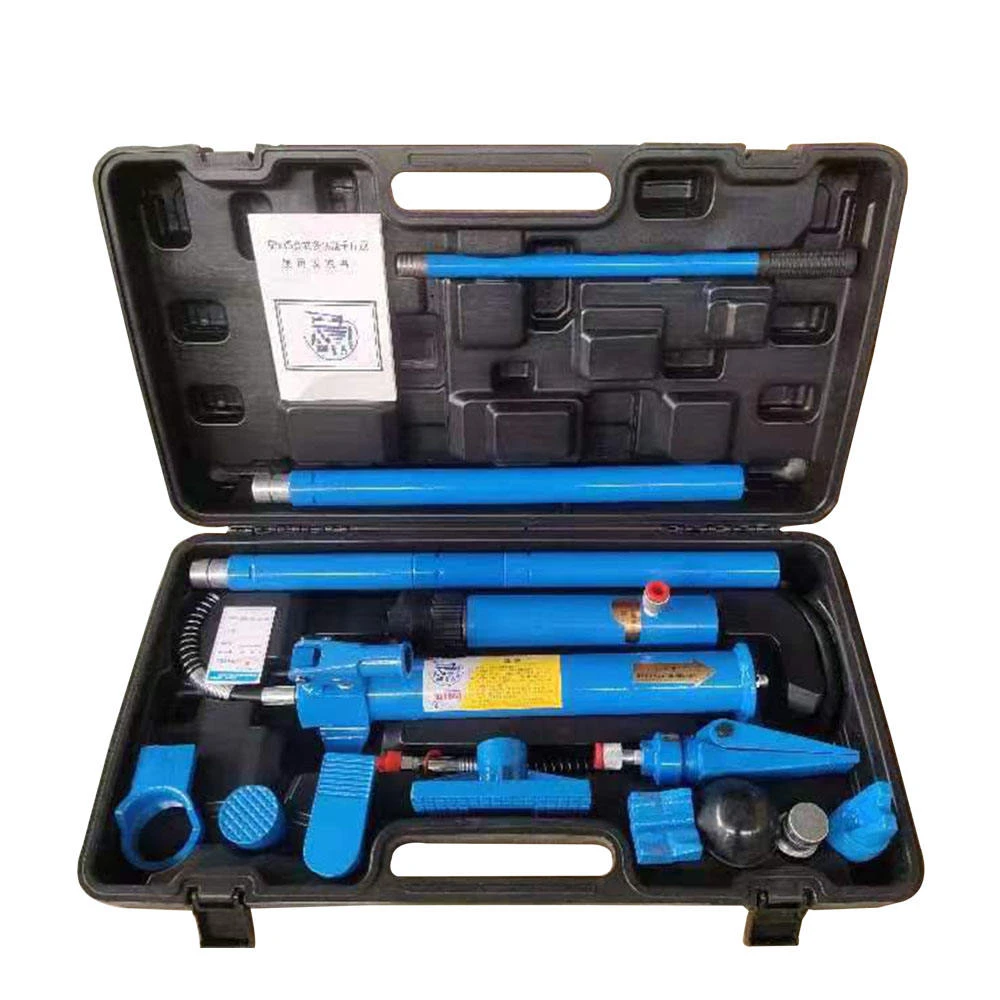
The 2t car jack is a mechanical lifting device employed to raise vehicles for maintenance and repair purposes. Positioned within the automotive service equipment supply chain, it serves as a critical tool for technicians, garages, and roadside assistance professionals. Classified as a hydraulic floor jack, its core performance relies on Pascal’s principle to amplify force, facilitating the lifting of substantial vehicle weight with relatively minimal operator effort. Key performance indicators include lifting capacity (2 metric tons/4409 lbs), minimum lift height, maximum lift height, and operational safety features such as overload protection and a stable base design. The increasing demand for robust and reliable lifting solutions, driven by the growing automotive parc and complexity of vehicle maintenance procedures, defines the current market landscape. This guide provides a comprehensive technical overview of 2t car jacks, covering material science, manufacturing processes, performance engineering, failure modes, and relevant industry standards.
Material Science & Manufacturing
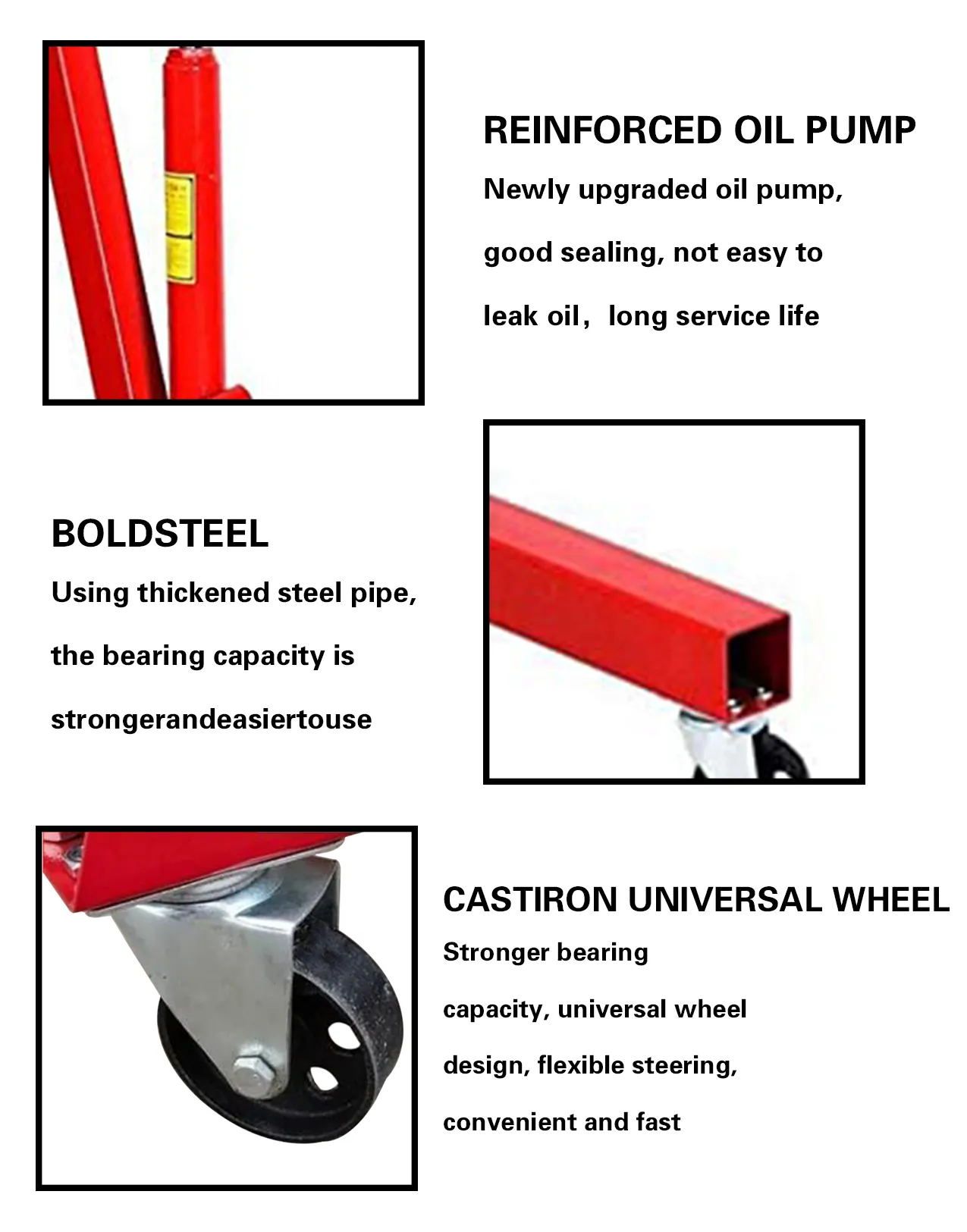
The construction of a 2t car jack typically involves high-strength steel alloys for the critical load-bearing components. The jack’s housing, lifting arm, and hydraulic cylinder are commonly manufactured from steels such as AISI 1045 or equivalent, chosen for their yield strength, tensile strength, and weldability. The hydraulic cylinder utilizes a honed cylinder bore to minimize friction and ensure smooth piston travel. The piston itself is often constructed from alloy steel, hardened and tempered for durability and resistance to wear. Seals are typically made from nitrile rubber (NBR) or hydrogenated nitrile butadiene rubber (HNBR) compounds, selected for their compatibility with hydraulic fluids and resistance to degradation. Manufacturing processes include steel plate forming (pressing and bending), welding (SMAW, GMAW, or SAW depending on component thickness and material), and machining (turning, milling, and drilling) to achieve precise dimensions and tolerances. The hydraulic cylinder assembly requires meticulous quality control, including pressure testing and leak detection. Key parameter control during manufacturing focuses on weld quality (penetration, porosity, and tensile strength), material hardness (HRC testing), and surface finish (Ra values) to ensure structural integrity and prevent premature failure. The pump unit utilizes a cast iron or aluminum housing, and the handle is typically constructed from steel tubing with a rubber or plastic grip. The saddle, the contact point with the vehicle, is often coated with a polymer material to prevent damage to the vehicle’s chassis.
Performance & Engineering
The performance of a 2t car jack is governed by principles of fluid mechanics and structural mechanics. The hydraulic system operates based on Pascal’s Law, where pressure applied to a confined fluid is transmitted equally in all directions. The force amplification is determined by the ratio of the piston area to the pump plunger area. Engineering considerations include stress analysis of the lifting arm and hydraulic cylinder under maximum load to prevent bending or buckling. Finite element analysis (FEA) is frequently employed to optimize component geometry and material selection for weight reduction and increased strength. The jack’s stability is crucial; a wide base and low center of gravity minimize the risk of tipping during operation. The release valve mechanism must provide controlled descent, preventing sudden drops that could damage the vehicle or injure personnel. Environmental resistance is addressed through corrosion protection measures, such as surface coatings (paint, powder coating, or galvanization). Compliance with safety standards (ANSI/ASME B30.1) dictates requirements for overload protection, marking, and labeling. The hydraulic fluid used typically has a viscosity range of 22-46 cSt at 40°C, providing adequate lubrication and preventing seal leakage. Long-term performance is affected by fluid degradation due to oxidation and contamination; regular fluid changes are recommended to maintain optimal operation.
Technical Specifications
| Parameter | Specification | Testing Standard | Tolerance |
|---|---|---|---|
| Lifting Capacity | 2000 kg / 4409 lbs | ISO 6520-2 | ±5% |
| Minimum Lift Height | 75 mm / 2.95 in | In-house QC | ±2 mm |
| Maximum Lift Height | 380 mm / 15.0 in | In-house QC | ±5 mm |
| Hydraulic Fluid Type | ISO VG 32 Hydraulic Oil | ISO 3448 | Viscosity Range: 22-46 cSt @ 40°C |
| Pump Stroke | 80 mm / 3.15 in | In-house QC | ±1 mm |
| Base Width | 220 mm / 8.66 in | In-house QC | ±3 mm |
Failure Mode & Maintenance
Common failure modes in 2t car jacks include hydraulic seal failure leading to pressure loss, cylinder wall scoring due to contamination, bending or fracture of the lifting arm due to overloading, and corrosion of structural components. Fatigue cracking can occur in the welding joints of the lifting arm under cyclical loading. Degradation of the hydraulic fluid due to oxidation and contamination can lead to reduced performance and accelerated wear of internal components. Failure analysis often reveals that overloading and improper use are primary contributing factors. Maintenance procedures include regular inspection of the hydraulic fluid level and condition, lubrication of moving parts (hinge points and screw threads), and cleaning of the jack’s exterior. Hydraulic fluid should be replaced annually or after extended periods of inactivity. Seals should be inspected for cracks or leaks and replaced as needed. Weld joints should be visually inspected for signs of cracking. The jack should be stored in a clean, dry environment to prevent corrosion. Do not exceed the rated lifting capacity, and always use the jack on a level, stable surface. Always use jack stands to support the vehicle before working underneath it. A complete overhaul of the hydraulic system may be necessary after several years of service.
Industry FAQ
Q: What is the expected lifespan of a 2t car jack under typical garage use?
A: Under consistent, proper use and routine maintenance (annual fluid changes, lubrication), a 2t car jack can be expected to function reliably for 5-7 years. However, heavy industrial use or frequent overloading can significantly reduce its lifespan. Component wear and fluid degradation are the primary limiting factors.
Q: What type of hydraulic fluid is compatible with most 2t car jacks?
A: Generally, ISO VG 32 hydraulic oil is the recommended fluid. It’s crucial to verify compatibility with the jack’s seals (NBR or HNBR). Using incorrect fluids can cause seal swelling, leakage, or premature degradation.
Q: How can I prevent hydraulic fluid leakage?
A: Ensure all fittings are tightened to the manufacturer’s specified torque. Regularly inspect seals for cracks or wear. Avoid using the jack to lift loads exceeding its rated capacity, as this can create excessive pressure on the seals. Store the jack in an upright position to minimize fluid migration.
Q: What safety precautions should be taken when using a 2t car jack?
A: Always use jack stands to support the vehicle after lifting. Never work under a vehicle supported only by a jack. Ensure the jack is placed on a level, stable surface. Avoid exceeding the rated lifting capacity. Inspect the jack for damage before each use. Wear appropriate personal protective equipment (PPE), including safety glasses.
Q: What does 'overload protection' typically refer to in a 2t car jack?
A: Overload protection generally refers to a pressure relief valve within the hydraulic system. When the jack reaches its maximum lifting capacity, this valve opens, preventing further upward movement and protecting the hydraulic components from damage. It doesn't necessarily prevent damage from extreme overloading, but mitigates the risk of catastrophic failure.
Conclusion
The 2t car jack represents a fundamental tool in automotive maintenance, relying on established principles of hydraulics and robust materials science for effective operation. Its performance is dictated by precise manufacturing controls, adherence to industry standards, and diligent maintenance practices. Understanding the potential failure modes and implementing preventative measures are critical for ensuring operator safety and maximizing the lifespan of the equipment.
Future developments in car jack technology may focus on incorporating lightweight materials (aluminum alloys, composite materials) for increased portability, enhanced safety features (integrated sensors and automatic shut-off mechanisms), and improved hydraulic fluid formulations for increased durability and environmental compatibility. Proper selection, use, and maintenance remain paramount for achieving optimal performance and long-term reliability.
