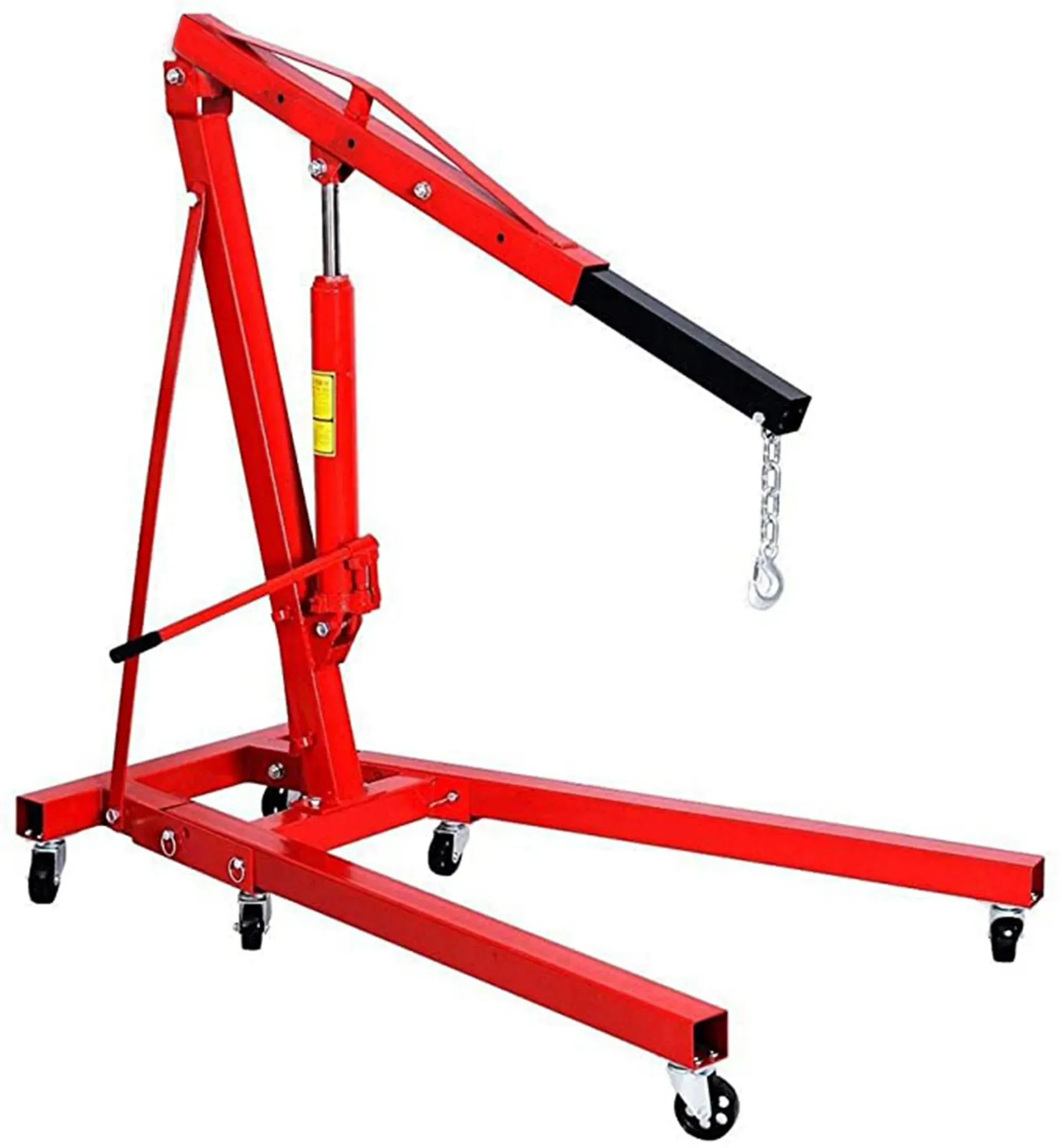
Introduction
The 31 2 ton jack, generally referring to a hydraulic floor jack with a lifting capacity of 31 metric tons (approximately 68,343 lbs), is a critical piece of equipment in automotive, industrial maintenance, and heavy equipment operations. Its primary function is to lift heavy loads for vehicle repair, component replacement, or positioning. Unlike mechanical jacks relying on screw threads, hydraulic jacks leverage Pascal’s principle, using fluid pressure to generate substantial lifting force with relatively low physical effort. This guide provides an in-depth technical overview of these jacks, encompassing material science, manufacturing processes, performance characteristics, potential failure modes, and relevant industry standards. The industry faces pain points regarding long-term reliability, safety protocols surrounding high-capacity lifting, and the consistent performance of hydraulic systems in demanding environments. Furthermore, ensuring proper maintenance and adherence to standards are crucial to mitigate the risk of catastrophic failure and ensure operator safety.
Material Science & Manufacturing
The construction of a 31 2 ton jack relies on specific material properties to withstand immense pressure and stress. The hydraulic cylinder is typically forged from high-strength carbon steel (e.g., AISI 1045) chosen for its tensile strength, yield strength, and machinability. The internal surface is subject to honing and polishing to achieve a smooth finish, minimizing friction and preventing seal damage. The hydraulic fluid itself is usually a mineral oil-based formulation with viscosity additives to maintain performance across a range of temperatures. Key additives include anti-wear agents, corrosion inhibitors, and defoamants. The jack’s frame and lifting arm are commonly manufactured from structural steel (e.g., A36) due to its cost-effectiveness and sufficient strength. Welding processes, specifically submerged arc welding (SAW) or gas metal arc welding (GMAW), are used to assemble the frame, requiring precise control of welding parameters – current, voltage, and travel speed – to ensure weld integrity and prevent defects like porosity or cracking. The hydraulic pump is a critical component, typically employing a cast iron housing and hardened steel pistons and seals. Manufacturing involves precision machining to ensure tight tolerances and optimal fluid flow. Seal materials are primarily nitrile rubber (NBR) or hydrogenated nitrile butadiene rubber (HNBR) selected for their resistance to hydraulic fluids and ability to maintain a tight seal under high pressure. The release valve often utilizes hardened steel balls and springs, requiring precise heat treatment to achieve the necessary hardness and spring rate.

Performance & Engineering
The performance of a 31 2 ton jack is dictated by several engineering principles. Force analysis relies on Pascal's Law, which states that pressure applied to a confined fluid is transmitted equally in all directions. The jack's lifting capacity is determined by the hydraulic cylinder's cross-sectional area and the maximum pressure the system can safely withstand. Stability is paramount; the jack’s base and lifting saddle are engineered to distribute the load effectively and prevent tipping. Finite Element Analysis (FEA) is commonly employed during the design phase to identify stress concentrations and optimize the geometry of critical components. Environmental resistance is another crucial factor. Exposure to corrosive environments (e.g., salt spray, industrial chemicals) can lead to material degradation. Protective coatings, such as powder coating or galvanization, are applied to steel components to enhance corrosion resistance. Compliance with safety standards (detailed in the Standards & Regulations section) dictates design features like safety valves to prevent over-pressurization and mechanical locking mechanisms to prevent accidental lowering of the load. Furthermore, the hydraulic system’s efficiency is directly affected by fluid viscosity, seal integrity, and pump performance. Maintaining optimal fluid viscosity and replacing worn seals are essential for consistent operation. The jack’s lifting range, determined by the stroke length of the hydraulic cylinder, is a critical specification for diverse application scenarios.
Technical Specifications
| Parameter | Specification | Test Method | Typical Tolerance |
|---|---|---|---|
| Lifting Capacity | 31,000 kg (68,343 lbs) | Static Load Test | ±5% |
| Minimum Lifting Height | 135 mm (5.3 in) | Dimensional Measurement | ±3 mm |
| Maximum Lifting Height | 465 mm (18.3 in) | Dimensional Measurement | ±5 mm |
| Hydraulic Fluid Type | ISO VG 32 Hydraulic Oil | Viscosity Measurement (ASTM D2270) | ±0.5 cSt |
| Operating Pressure | 70 MPa (10,150 psi) | Pressure Gauge Calibration | ±1% Full Scale |
| Frame Material | A36 Structural Steel | Chemical Composition Analysis (ASTM A36) | Compliant with ASTM A36 |
Failure Mode & Maintenance
31 2 ton jacks are susceptible to several failure modes. Hydraulic seal failure is a common issue, manifesting as a slow descent or inability to maintain pressure. This is often caused by wear, contamination, or incompatibility with the hydraulic fluid. Fatigue cracking in the frame or lifting arm can occur due to repeated stress cycles, particularly when the jack is overloaded. Corrosion, especially in harsh environments, can weaken steel components and lead to structural failure. Air ingress into the hydraulic system can cause spongy operation and reduced lifting capacity. Valve failure, particularly the release valve, can result in uncontrolled lowering of the load. Maintenance is crucial for preventing these failures. Regular inspection of seals for leaks or damage is essential. Hydraulic fluid should be replaced annually or more frequently in demanding applications to prevent contamination and maintain optimal viscosity. Lubrication of moving parts, such as pivot points and screw threads, reduces friction and wear. The jack should be cleaned regularly to remove dirt and debris. Overloading the jack should be strictly avoided, and the jack should always be used on a level, stable surface. Thoroughly inspect welds for cracks, especially after heavy use. Periodic calibration of the pressure relief valve ensures safe operation. Proper storage in a clean, dry environment is also vital to prevent corrosion.
Industry FAQ
Q: What is the recommended service interval for the hydraulic fluid in a 31 2 ton jack used in a heavily soiled industrial environment?
A: In a heavily soiled industrial environment, the hydraulic fluid should be replaced every 6 months, or after 200 lifting cycles, whichever comes first. Contaminants like metal particles and dust can accelerate wear and reduce the efficiency of the hydraulic system. Regular fluid analysis can help determine the actual condition of the fluid and adjust the replacement interval accordingly. Utilizing a hydraulic fluid with enhanced filtration capabilities is also advisable.
Q: What safety features are critical to verify before using a 31 2 ton jack to lift a particularly heavy or awkwardly shaped load?
A: Before lifting, verify the jack’s load capacity clearly exceeds the weight of the load. Inspect the jack for any signs of damage, such as leaks, cracks, or bent components. Ensure the jack is positioned on a level, stable surface. Engage the mechanical safety lock before commencing any work on the lifted load. Use appropriate saddle adapters to ensure a secure and stable contact point with the load. Never work under a load supported only by a jack; always use jack stands.
Q: How can we mitigate the risk of corrosion in a 31 2 ton jack used outdoors?
A: Implement a rigorous cleaning and maintenance schedule, including regular washing and drying of the jack. Apply a corrosion-resistant coating, such as a zinc-rich primer followed by a polyurethane topcoat. Store the jack indoors whenever possible. Utilize a hydraulic fluid formulated with enhanced corrosion inhibitors. Consider using a protective cover to shield the jack from the elements during storage and use.
Q: What are the typical failure modes associated with the release valve and how can these be addressed?
A: Common failure modes include valve sticking due to contamination, spring fatigue leading to inconsistent release pressure, and damage to the valve seat. Address these by regularly cleaning the valve and surrounding area. Periodically replace the spring to ensure consistent performance. Inspect the valve seat for damage and replace if necessary. Proper hydraulic fluid filtration is crucial to prevent contamination.
Q: What is the acceptable tolerance for side load application on a 31 2 ton jack, and what are the risks of exceeding it?
A: Ideally, no side load should be applied. The acceptable tolerance is typically less than 5% of the rated capacity. Exceeding this tolerance can induce bending stress on the lifting arm and frame, leading to premature failure, instability, and a potential tipping hazard. Using appropriate saddle adapters and ensuring proper load centering are crucial to minimize side load.
Conclusion
The 31 2 ton hydraulic jack is a powerful and versatile tool, crucial for a wide range of industrial applications. Its performance is intrinsically linked to the quality of materials employed, precise manufacturing processes, and adherence to stringent engineering principles. Understanding the potential failure modes – hydraulic seal deterioration, fatigue cracking, and corrosion – is paramount for ensuring safe and reliable operation.
Proactive maintenance, including regular fluid changes, inspection of critical components, and proper storage, significantly extends the service life of the jack and minimizes the risk of catastrophic failure. Compliance with relevant industry standards (detailed below) is non-negotiable, as it establishes minimum safety requirements and ensures consistent performance. Investing in high-quality jacks and implementing a comprehensive maintenance program are essential for maximizing productivity and safeguarding personnel.
