Introduction
The 4 ton hydraulic porta power kit is a self-contained hydraulic system designed for applications requiring substantial lifting, pushing, or bending force in confined or remote locations. Positioned within the industrial maintenance, repair, and operations (MRO) sector, and frequently utilized in construction, automotive, and emergency rescue, this kit provides a portable alternative to larger, stationary hydraulic presses and power units. Core performance characteristics center around its ability to deliver consistent, controlled force, typically up to 4 tons (approximately 8,818 lbs), facilitated by a manual hydraulic pump and a selection of cylinders and accessories. The primary advantage lies in its portability and versatility, eliminating the need for electrical power and enabling operation in areas inaccessible to conventional hydraulic equipment. A key pain point addressed by these kits is the limitation of field repair capabilities where heavy machinery is unavailable, or the time constraints associated with transporting components to a workshop. The efficient transfer of hydraulic energy and the robust construction of the components are fundamental to its widespread acceptance in demanding applications.
Material Science & Manufacturing
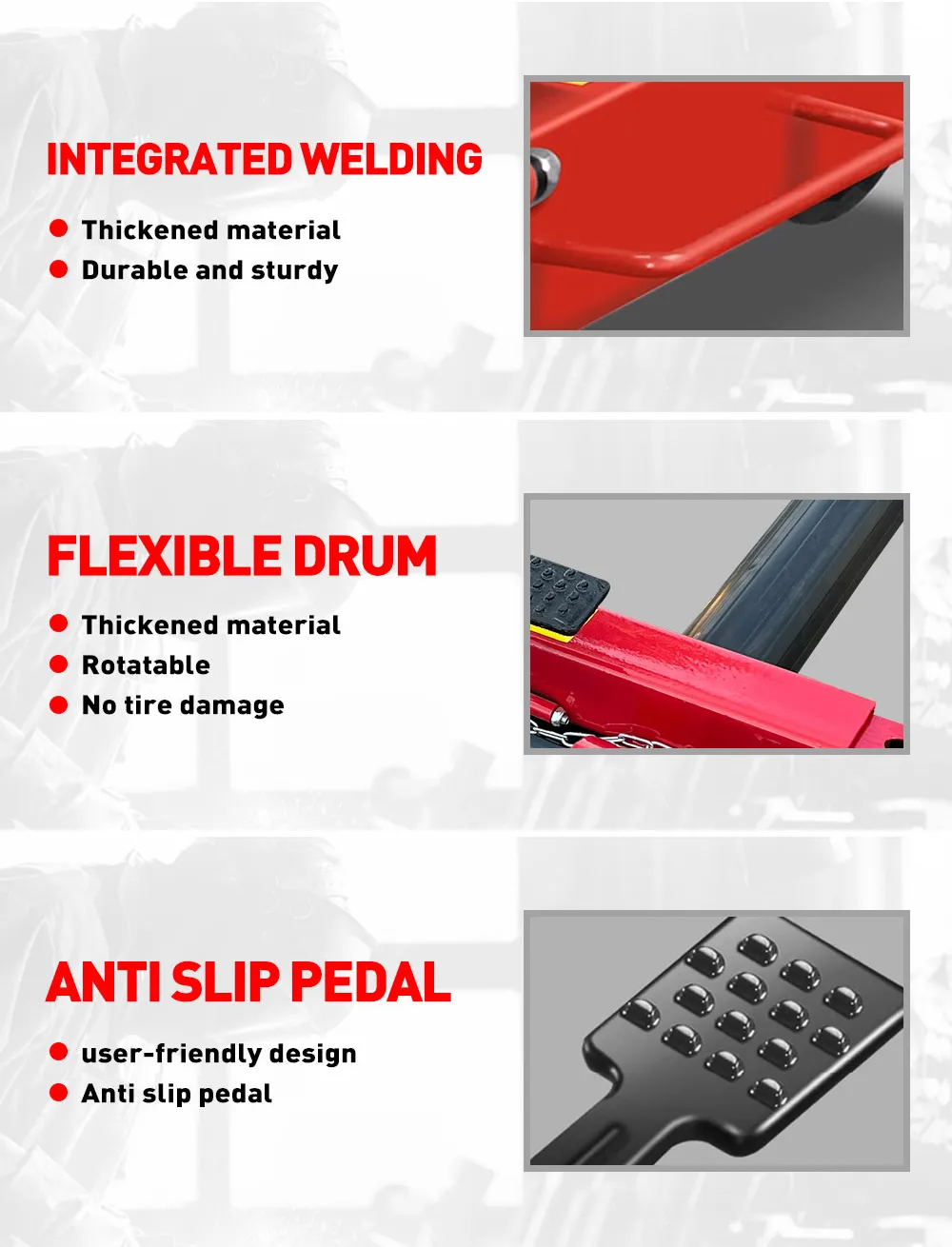
The 4 ton hydraulic porta power kit’s performance is intrinsically linked to the material selection and manufacturing processes employed. The hydraulic cylinder is typically constructed from high-strength carbon steel (e.g., AISI 1045) chosen for its high yield strength and resistance to deformation under pressure. The cylinder’s internal surface undergoes honing and polishing to minimize friction and ensure a smooth piston travel. The piston itself is often coated with a hard chrome plating (chromium deposition) to enhance wear resistance and corrosion protection. The hydraulic pump housing and reservoir are frequently fabricated from welded steel, with surface treatments like powder coating to prevent corrosion. The hydraulic fluid typically employed is a mineral oil-based hydraulic fluid with a viscosity rating suitable for a wide temperature range (ISO VG 32 or 46 are common).
Manufacturing involves several critical processes. Cylinder barrels are formed via seamless extrusion or drawn tube manufacturing, followed by precise machining. Welding processes (typically MIG or TIG) are used for constructing the pump housing and other structural components. Quality control necessitates rigorous non-destructive testing (NDT), including ultrasonic testing to identify internal flaws in welds and pressure testing to verify the structural integrity of the cylinders. The hydraulic hoses are typically reinforced with multiple layers of high-tensile steel wire braiding, ensuring burst pressure capabilities exceeding the system's operating pressure. The pump's internal components, like the piston and check valves, are manufactured with tight tolerances, often utilizing CNC machining to ensure accurate fit and function. Correct heat treatment processes are crucial for achieving the desired hardness and toughness in the steel components, preventing premature failure under load.
Performance & Engineering
The performance of a 4 ton hydraulic porta power kit is governed by Pascal’s Law, dictating that pressure applied to a confined fluid is transmitted equally in all directions. The force generated is directly proportional to the hydraulic pressure and the piston area (Force = Pressure x Area). Engineering considerations focus on maintaining sufficient pressure within the system to achieve the 4-ton capacity, while ensuring the structural integrity of all components. The design must account for stress concentration points, particularly around the cylinder’s thread connections and the pump’s high-pressure components.
Environmental resistance is a critical performance parameter. Kits intended for outdoor or harsh environments require seals and hoses resistant to UV degradation, chemical exposure (e.g., oil, solvents), and temperature fluctuations. Hose materials are typically rated for specific temperature ranges and chemical compatibility. Compliance requirements often involve adherence to safety standards for pressure vessels and hydraulic systems (e.g., ASME B31.3 for process piping). Fatigue analysis is essential to determine the lifespan of the cylinder and pump components under repeated loading and unloading cycles. The selection of appropriate seals (e.g., nitrile rubber, Viton) is crucial for preventing hydraulic fluid leakage and maintaining system efficiency. Additionally, proper venting of the hydraulic reservoir is necessary to prevent air entrapment, which can lead to inconsistent performance and system damage. Force analysis considers the bending moment imposed on the cylinder during off-center loading, requiring adequate cylinder support and structural reinforcement.
Technical Specifications
| Parameter | Specification | Unit | Test Method |
|---|---|---|---|
| Rated Capacity | 4 | ton | Static Load Test |
| Operating Pressure | 700 | bar | Pressure Gauge Calibration |
| Cylinder Stroke | 150 | mm | Dimensional Measurement |
| Pump Oil Capacity | 0.5 | L | Volumetric Measurement |
| Hydraulic Fluid Type | ISO VG 32 Mineral Oil | - | Viscosity Measurement (ASTM D445) |
| Hose Burst Pressure | 350 | bar | Hydrostatic Pressure Test (EN 856) |
Failure Mode & Maintenance
Common failure modes for 4 ton hydraulic porta power kits include hydraulic fluid leakage (due to seal degradation or damaged hoses), cylinder drift (caused by internal wear or faulty check valves), pump failure (resulting from contamination or component wear), and structural failure of the cylinder or pump housing (due to overpressure or fatigue). Fatigue cracking in the cylinder barrel can occur under repeated cyclic loading, particularly if the material contains pre-existing flaws. Delamination of seals can lead to gradual fluid loss and reduced system performance. Oxidation of the hydraulic fluid can lead to increased viscosity and sludge formation, hindering pump operation. Corrosion of metal components can occur in humid environments or if exposed to corrosive fluids.
Preventive maintenance is crucial for extending the kit’s lifespan. Regularly inspect hoses and fittings for leaks or damage. Check the hydraulic fluid level and condition, and replace it as recommended by the manufacturer (typically every 6-12 months). Clean the pump reservoir and filter to remove contaminants. Lubricate moving parts to reduce friction and wear. Inspect the cylinder for signs of corrosion or damage. Properly store the kit in a clean, dry environment to prevent corrosion. If cylinder drift is observed, replace the internal seals or check valves. If the pump exhibits reduced performance, it may require rebuilding or replacement. Always follow the manufacturer’s recommended maintenance schedule and safety guidelines. Prior to use, always perform a visual inspection of all components and test the system at a low pressure to verify proper operation.
Industry FAQ
Q: What is the impact of hydraulic fluid viscosity on the kit's performance in cold weather?
A: Higher viscosity in cold temperatures reduces fluid flow rate, increasing cycle times and potentially reducing the system’s effective force output. Using a hydraulic fluid with a lower viscosity index (VI) or a synthetic hydraulic fluid formulated for low-temperature operation can mitigate this issue. Pre-warming the hydraulic fluid before use is also recommended in extremely cold environments.
Q: How can I diagnose a slow cylinder return speed?
A: A slow cylinder return speed typically indicates a problem with the check valve or a restriction in the hydraulic circuit. First, inspect the check valve for debris or damage. If the check valve is functioning correctly, check the hydraulic fluid for contamination or increased viscosity. A partially blocked hose or a worn pump seal can also contribute to slow return speeds.
Q: What are the consequences of using incompatible hydraulic fluids?
A: Using incompatible hydraulic fluids can lead to seal swelling, degradation of the fluid, and corrosion of metal components. This can result in leakage, reduced system efficiency, and premature failure. Always refer to the manufacturer’s specifications for the correct hydraulic fluid type.
Q: What are the safety precautions when operating this kit near electrical hazards?
A: Hydraulic systems themselves are not electrical hazards, but the components can be used near electricity. Ensure all electrical sources are de-energized and locked out/tagged out before using the kit near electrical equipment. Avoid using the kit in wet or damp environments where electrical shock is a risk. Inspect hoses and fittings for damage that could lead to hydraulic fluid spraying, potentially creating a conductive path.
Q: How does cylinder material impact resistance to bending forces during off-center loads?
A: Cylinder material with a higher yield strength and tensile strength provides greater resistance to bending forces. High-strength alloy steels are preferred for applications involving frequent off-center loads. Additionally, the cylinder wall thickness plays a crucial role; a thicker wall provides increased bending resistance. Properly supporting the cylinder to minimize bending moments is also essential.
Conclusion
The 4 ton hydraulic porta power kit represents a versatile and robust solution for applications requiring portable hydraulic force. Its performance is predicated on careful material selection, precise manufacturing processes, and adherence to established engineering principles. Understanding the potential failure modes and implementing a proactive maintenance program are crucial for maximizing the kit’s lifespan and ensuring reliable operation. The kit’s inherent advantages in portability and ease of use continue to make it a valuable asset in diverse industrial settings.
Future development may focus on incorporating advanced sealing technologies for enhanced leak prevention, exploring lightweight materials for reduced overall weight, and integrating data logging capabilities to monitor system performance and predict maintenance needs. Optimizing the pump design for increased efficiency and reduced operator effort will also contribute to enhanced usability. Continued refinement of material science and manufacturing techniques will ensure that these kits remain a reliable and cost-effective solution for demanding hydraulic applications.
