Introduction
The 4-ton porta power ram is a hydraulic tool widely utilized in industrial maintenance, construction, and emergency rescue operations. Positioned as a critical component in applications requiring controlled force application, it bridges the gap between manual labor and heavy machinery. Its primary function is to exert significant linear force, enabling tasks such as bending, straightening, pressing, and lifting. Unlike fixed hydraulic presses, the porta power ram's portability allows for on-site operation where bringing parts to a press is impractical. Core performance characteristics include maximum ton capacity, stroke length, ram head adaptability, and hydraulic fluid compatibility. This guide provides an in-depth technical analysis of the 4-ton porta power ram, encompassing material science, manufacturing processes, performance engineering, potential failure modes, and relevant industry standards.
Material Science & Manufacturing
The 4-ton porta power ram’s functionality relies on a carefully selected suite of materials. The primary structural components – the ram cylinder, piston, and base plate – are typically manufactured from high-strength carbon steel (e.g., AISI 1045 or equivalent). This material provides a balance of tensile strength, yield strength, and ductility necessary to withstand the substantial pressures generated during operation. The hydraulic cylinder liner, crucial for smooth piston movement and preventing leakage, is often constructed from nodular cast iron or hardened steel, chosen for their wear resistance and low friction coefficient. The hydraulic fluid commonly used is mineral oil-based, selected for its viscosity index, thermal stability, and compatibility with the sealing materials.
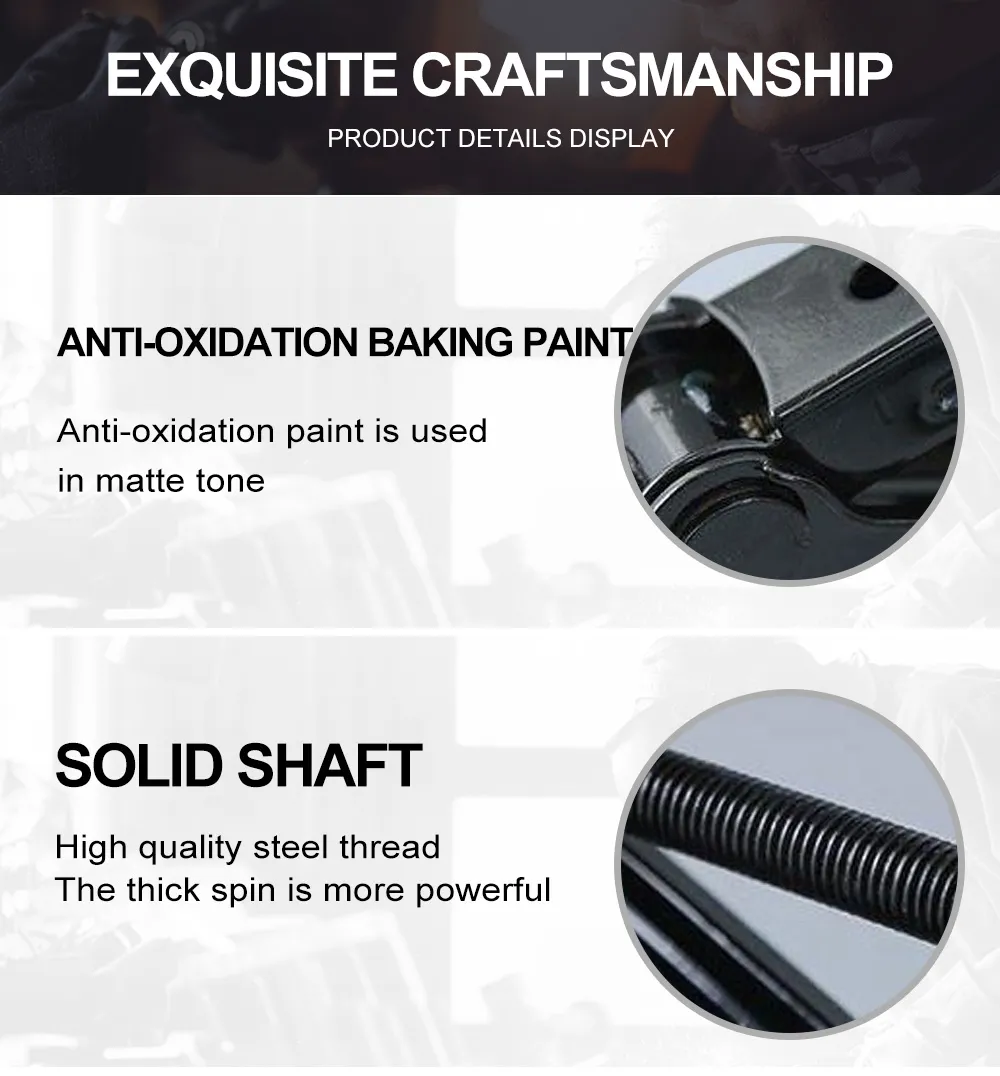
Manufacturing processes begin with steel billet forging and machining to create the cylinder and piston components. Critical dimensions, particularly cylinder bore diameter and piston diameter, are held to tight tolerances (typically ±0.025mm) to ensure proper hydraulic sealing and efficient force transmission. Welding processes, such as Gas Metal Arc Welding (GMAW) or Submerged Arc Welding (SAW), are employed to fabricate the base plate and connect structural elements. Rigorous non-destructive testing (NDT), including ultrasonic testing and radiographic inspection, is performed on weldments to detect flaws and ensure structural integrity. The hydraulic fluid reservoir is typically manufactured via deep drawing or rotational molding from polyethylene or polypropylene, offering corrosion resistance and impact strength. Post-manufacturing, all components undergo surface treatment (e.g., phosphate coating, painting) to enhance corrosion protection and improve aesthetic appeal. Quality control focuses heavily on hydraulic pressure testing at 1.25 times the rated operating pressure to verify leak-free operation and structural integrity.
Performance & Engineering
The 4-ton porta power ram operates on Pascal’s Law, converting hydraulic pressure into linear force. The theoretical force output is calculated as Force = Pressure x Area. Given a working pressure of approximately 70 MPa (10,000 psi) and a piston area derived from a bore diameter of approximately 38mm, the achievable force approaches 4 tons (approximately 39.2 kN). However, real-world performance is impacted by hydraulic efficiency losses due to friction within the seals and flow resistance in the hydraulic lines.
Engineering considerations include stress analysis of the cylinder and piston under maximum load. Finite Element Analysis (FEA) is commonly employed to optimize component geometry and minimize stress concentrations. Material selection must account for fatigue resistance, as the ram is subject to cyclical loading during repeated operation. The stroke length (typically 76mm or 3 inches) dictates the maximum displacement achievable. Ram head configurations are engineered for specific applications; options include flat heads, pointed heads, and saddle heads to distribute the load appropriately. The hydraulic pump, usually manually operated, requires careful consideration of lever arm length and pump displacement volume to achieve optimal pumping efficiency and minimize operator fatigue. Furthermore, maintaining hydraulic fluid cleanliness is paramount to prevent abrasion and ensure long-term reliability. The system must also comply with relevant safety standards regarding pressure relief valves and burst disc protection.
Technical Specifications
| Parameter | Specification | Tolerance | Test Method |
|---|---|---|---|
| Rated Capacity | 4 tons (39.2 kN) | ±5% | Static Load Test (ASTM E4) |
| Working Pressure | 70 MPa (10,000 psi) | ±3% | Hydraulic Pressure Gauge Calibration (ISO 6020) |
| Stroke Length | 76 mm (3 inches) | ±1 mm | Dimensional Measurement (ISO 1101) |
| Cylinder Bore Diameter | 38 mm (1.5 inches) | ±0.025 mm | Cylinder Bore Gauge |
| Piston Rod Diameter | 25 mm (1 inch) | ±0.02 mm | Micrometer |
| Hydraulic Fluid Type | ISO VG 32 Mineral Oil | Viscosity Range: 28.8-34.8 cSt @ 40°C | Viscometer (ASTM D445) |
Failure Mode & Maintenance
Common failure modes of the 4-ton porta power ram include hydraulic leaks, piston seal degradation, cylinder corrosion, and pump failure. Hydraulic leaks often originate from worn seals (e.g., O-rings, U-cups) in the cylinder, pump, or hydraulic lines. Piston seal degradation is accelerated by abrasive contaminants in the hydraulic fluid, excessive temperature, or incompatible fluid types. Cylinder corrosion can occur due to exposure to moisture and corrosive environments, particularly in the absence of adequate surface protection. Pump failure can result from excessive wear, contamination, or improper operation. Fatigue cracking can occur in the cylinder or piston rod under sustained cyclical loading, particularly if material defects are present. Delamination can happen to the coating on the cylinder causing corrosion.
Preventive maintenance is crucial for extending the ram’s service life. Regular inspection of hydraulic lines, fittings, and seals for leaks is essential. Hydraulic fluid should be changed at recommended intervals (typically every 6-12 months) and filtered to remove contaminants. The cylinder rod should be cleaned and lubricated to prevent corrosion. The pump should be inspected for wear and replaced if necessary. Proper storage in a clean, dry environment is also important. When performing repairs, it is vital to use compatible replacement parts and follow the manufacturer’s instructions. A complete overhaul may be required after several years of heavy use, involving disassembly, inspection, and replacement of worn components. Regular inspection for oxidation and proper fluid analysis are critical to identifying potential issues before catastrophic failure.
Industry FAQ
Q: What is the impact of hydraulic fluid viscosity on the performance of the 4-ton porta power ram?
A: Hydraulic fluid viscosity directly affects the ram’s efficiency and response time. Too low viscosity can lead to increased internal leakage, reducing force output and slowing down operation. Too high viscosity increases flow resistance, requiring more pumping effort and potentially causing cavitation. The recommended viscosity (ISO VG 32) provides an optimal balance between these factors, ensuring efficient power transmission and minimal energy loss.
Q: How do I select the appropriate ram head for a specific application?
A: The ram head selection depends on the geometry of the workpiece and the desired load distribution. A flat head is suitable for uniformly distributing force across a large surface area. A pointed head concentrates the force on a smaller area, ideal for punching or piercing. A saddle head provides support and prevents tilting when applying force to uneven surfaces. Consider the material being worked on; softer materials require a larger contact area to avoid damage.
Q: What are the primary causes of seal failure in porta power rams?
A: Seal failure is typically caused by abrasion from contaminants in the hydraulic fluid, incompatibility between the seal material and the hydraulic fluid, excessive temperature, or age-related degradation. Maintaining hydraulic fluid cleanliness through regular filtration and using the recommended fluid type are crucial preventative measures. Regularly replacing seals according to the manufacturer’s schedule is also essential.
Q: What safety precautions should be taken when operating a 4-ton porta power ram?
A: Always wear appropriate personal protective equipment (PPE), including safety glasses and gloves. Ensure the ram is positioned securely and the workpiece is properly supported. Never exceed the rated capacity of the ram. Avoid applying side loads, which can damage the cylinder or piston. Use a pressure relief valve to prevent overpressure and potential rupture. Inspect all components before each use for signs of damage.
Q: What is the expected service life of a properly maintained 4-ton porta power ram?
A: With proper maintenance and adherence to recommended operating procedures, a 4-ton porta power ram can have a service life of 5-10 years or more. Regular fluid changes, seal replacements, and inspection for wear and corrosion are crucial for maximizing its longevity. Heavy usage and harsh operating environments will shorten the service life.
Conclusion
The 4-ton porta power ram stands as a versatile and robust hydraulic tool essential across numerous industrial applications. Its performance is underpinned by careful material selection, precise manufacturing processes, and sound engineering principles. Understanding the interplay between hydraulic pressure, force, and material properties is critical for optimizing its operation and maximizing its lifespan.
Effective preventative maintenance, including regular fluid changes, seal inspections, and adherence to safety protocols, is paramount to avoiding premature failure and ensuring long-term reliability. As industries continue to demand portable and powerful hydraulic solutions, the 4-ton porta power ram will undoubtedly remain a valuable asset for professionals requiring controlled force application in diverse environments.
