Introduction
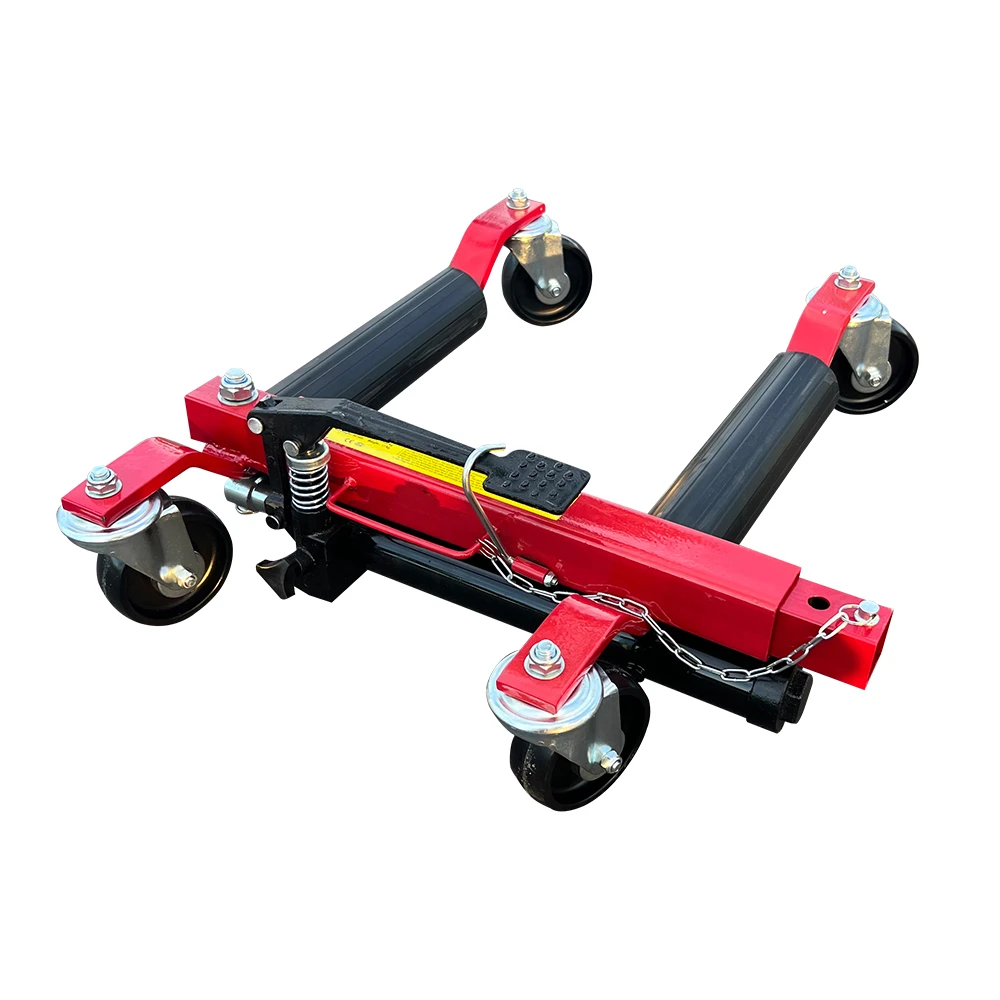
The 4-ton Porta Power Ram Seal Kit is a critical component for maintaining the operational integrity of hydraulic rams commonly utilized in heavy equipment repair, industrial maintenance, and construction applications. This kit addresses the frequent issue of hydraulic fluid leakage caused by wear and degradation of seals within the ram assembly. Unlike simply replacing the entire ram, a seal kit offers a cost-effective and time-efficient solution, restoring functionality and preventing costly downtime. The kit's performance is directly tied to its material composition, precision manufacturing, and compatibility with standard hydraulic fluids. Proper seal function ensures consistent force application and prevents contamination of the hydraulic system, directly impacting the efficiency and safety of operations. This guide provides an in-depth analysis of the material science, manufacturing processes, performance characteristics, potential failure modes, and maintenance procedures associated with 4-ton Porta Power Ram Seal Kits.
Material Science & Manufacturing
The seals within a 4-ton Porta Power Ram Seal Kit are predominantly manufactured from Nitrile Butadiene Rubber (NBR), also known as Buna-N. NBR is selected for its excellent resistance to petroleum-based hydraulic fluids, commonly used in Porta Power systems. Its tensile strength typically ranges from 15-25 MPa, and its hardness, measured on the Shore A scale, is generally between 70-90A, offering a balance between flexibility and durability. Other materials may include PTFE (Polytetrafluoroethylene) for wiper seals, providing low friction and resistance to abrasion. Manufacturing processes typically involve compression molding or injection molding. Compression molding is suitable for larger seal quantities and complex geometries, while injection molding provides higher precision and faster cycle times for high-volume production. Critical parameters during molding include temperature control (150-180°C for NBR), pressure regulation (8-12 MPa), and precise mold design to ensure dimensional accuracy. Post-molding operations include deflashing (removing excess material), and often, surface finishing to reduce friction and improve sealing performance. The quality of the raw rubber compound significantly impacts performance; batch-to-batch consistency in polymer molecular weight, carbon black content (for reinforcement), and plasticizer concentration are essential for reliable seal performance. Seal kits often include O-rings, U-cups, and wiper seals, each requiring specific mold designs tailored to their function.
Performance & Engineering
The performance of the 4-ton Porta Power Ram Seal Kit is dictated by its ability to maintain a pressure-tight seal under dynamic loading conditions. The maximum operating pressure for these rams typically ranges from 70-100 MPa (10,000-14,500 PSI). Force analysis involves evaluating the seal's resistance to extrusion – the tendency of the seal material to be forced into the gap between the ram and cylinder walls under high pressure. This is mitigated by proper seal design (lip geometry, cross-sectional dimensions) and the use of backup rings. Environmental resistance is also crucial. NBR exhibits limited resistance to ozone and UV degradation, therefore prolonged exposure to direct sunlight can accelerate seal aging. Operating temperature range is typically -40°C to 120°C; exceeding these limits can lead to material hardening or softening, compromising sealing performance. Compliance requirements often relate to material certifications (RoHS, REACH) ensuring the absence of hazardous substances. The coefficient of friction between the seal material and the hydraulic fluid is another critical parameter, directly affecting the efficiency of the ram's operation. Excessive friction generates heat, potentially causing seal damage and reducing system responsiveness. Engineering considerations also include the dynamic sealing capability of the wiper seal, which prevents contaminants from entering the hydraulic cylinder, extending the life of the entire system.
Technical Specifications
| Parameter | Specification | Testing Standard | Typical Value |
|---|---|---|---|
| Material (Primary Seal) | Nitrile Butadiene Rubber (NBR) | ASTM D2000 | Buna-N |
| Material (Wiper Seal) | Polytetrafluoroethylene (PTFE) | ASTM D3261 | PTFE |
| Hardness (Shore A) | 70A-90A | ASTM D2240 | 80A |
| Tensile Strength | 15-25 MPa | ASTM D412 | 20 MPa |
| Elongation at Break | 300-500% | ASTM D412 | 400% |
| Operating Pressure (Max) | 70-100 MPa | ISO 6022 | 80 MPa |
Failure Mode & Maintenance
Common failure modes for 4-ton Porta Power Ram Seal Kits include extrusion failure (seal material forced into clearance gaps under high pressure), wear due to abrasive contamination, chemical degradation from incompatible hydraulic fluids, and thermal aging. Fatigue cracking can occur from repeated compression and extension cycles. Leakage is the most obvious symptom of seal failure, often manifested as reduced ram force or sluggish operation. Visual inspection reveals cracks, swelling, or hardening of the seal material. Failure analysis often points to improper installation (nicks, twists) as a contributing factor. Maintenance involves regular inspection of seals for damage, ensuring compatibility of the hydraulic fluid (mineral oil based fluids are generally recommended), and proper lubrication during installation. Avoid using petroleum jelly or other incompatible lubricants as they can cause swelling or degradation of the NBR seals. When replacing seals, clean the ram and cylinder bore thoroughly to remove any debris. Applying a thin film of hydraulic fluid to the new seals facilitates proper seating. Prolonged storage of the Porta Power ram should involve a complete drainage of the hydraulic fluid and application of a protective coating to prevent corrosion. Regularly changing the hydraulic fluid is crucial to remove contaminants and maintain optimal seal performance.
Industry FAQ
Q: What is the primary cause of premature seal failure in Porta Power rams?
A: The most frequent cause is contamination of the hydraulic fluid. Dirt, metal particles, and water can act as abrasives, causing rapid wear of the seal material. Improper fluid type, exceeding pressure limits, and physical damage during installation are also common contributing factors.
Q: Can I use a different type of hydraulic fluid than what's recommended by the manufacturer?
A: No. Using an incompatible hydraulic fluid can lead to rapid seal degradation. NBR seals are generally compatible with mineral oil-based fluids, but phosphate ester fluids or silicone fluids require specific seal materials like Viton (FKM). Always consult the Porta Power manual for fluid specifications.
Q: How can I prevent seal extrusion under high pressure?
A: Ensure the seal is properly sized for the application, and consider using backup rings to provide additional support. Maintain the hydraulic system within the manufacturer's specified pressure limits. Inspect the ram cylinder for wear or damage that could create excessive clearance.
Q: What are the signs that a seal kit replacement is needed?
A: Obvious signs include external leakage of hydraulic fluid, reduced ram force, slow or erratic ram movement, and visible damage to the seals during inspection. Gradual performance degradation is often an early indicator.
Q: Is there a shelf life for a 4-ton Porta Power Ram Seal Kit?
A: While the seals themselves don't have a strict expiration date, the rubber material can degrade over time, particularly if exposed to ozone, UV light, or extreme temperatures. Storing the kit in a cool, dark, and dry environment will maximize its lifespan. It's best practice to use a kit within 2-3 years of purchase.
Conclusion
The 4-ton Porta Power Ram Seal Kit represents a vital, yet often overlooked, component in maintaining the reliability and efficiency of hydraulic ram systems. Its performance is fundamentally linked to the careful selection of materials, precision manufacturing techniques, and adherence to proper maintenance procedures. Understanding the material properties of NBR and PTFE, alongside the potential failure modes related to pressure, temperature, and fluid compatibility, is crucial for ensuring optimal operation and preventing costly downtime.
Proactive seal replacement based on regular inspection and preventative maintenance schedules, coupled with diligent fluid management, provides a robust strategy for maximizing the lifespan of the Porta Power ram and minimizing the risk of unexpected failures. Proper installation and attention to detail, such as lubrication and clearance verification, are equally important. Continuous monitoring of hydraulic system performance and prompt attention to any signs of leakage or reduced force are indicative of the need for seal kit replacement.
