Introduction
Auto body porta power, often referred to as hydraulic load spreaders or spreading tools, represent a critical component within automotive collision repair and structural damage rectification. Positioned within the body repair process following initial damage assessment and prior to panel replacement or welding, these tools facilitate controlled separation of bonded or welded metal components. Their core performance characteristic lies in their ability to generate substantial linear force – typically ranging from 8 to 20 tons – enabling technicians to create space for repair without inducing further damage to adjacent structures. Modern porta power systems often incorporate variable pressure control and specialized spreading tips to address diverse repair scenarios. The industry faces challenges related to maintaining consistent force delivery, preventing localized metal deformation, and ensuring operator safety during operation. This guide details the material science, manufacturing processes, performance characteristics, potential failure modes, and relevant standards associated with auto body porta power tools.
Material Science & Manufacturing
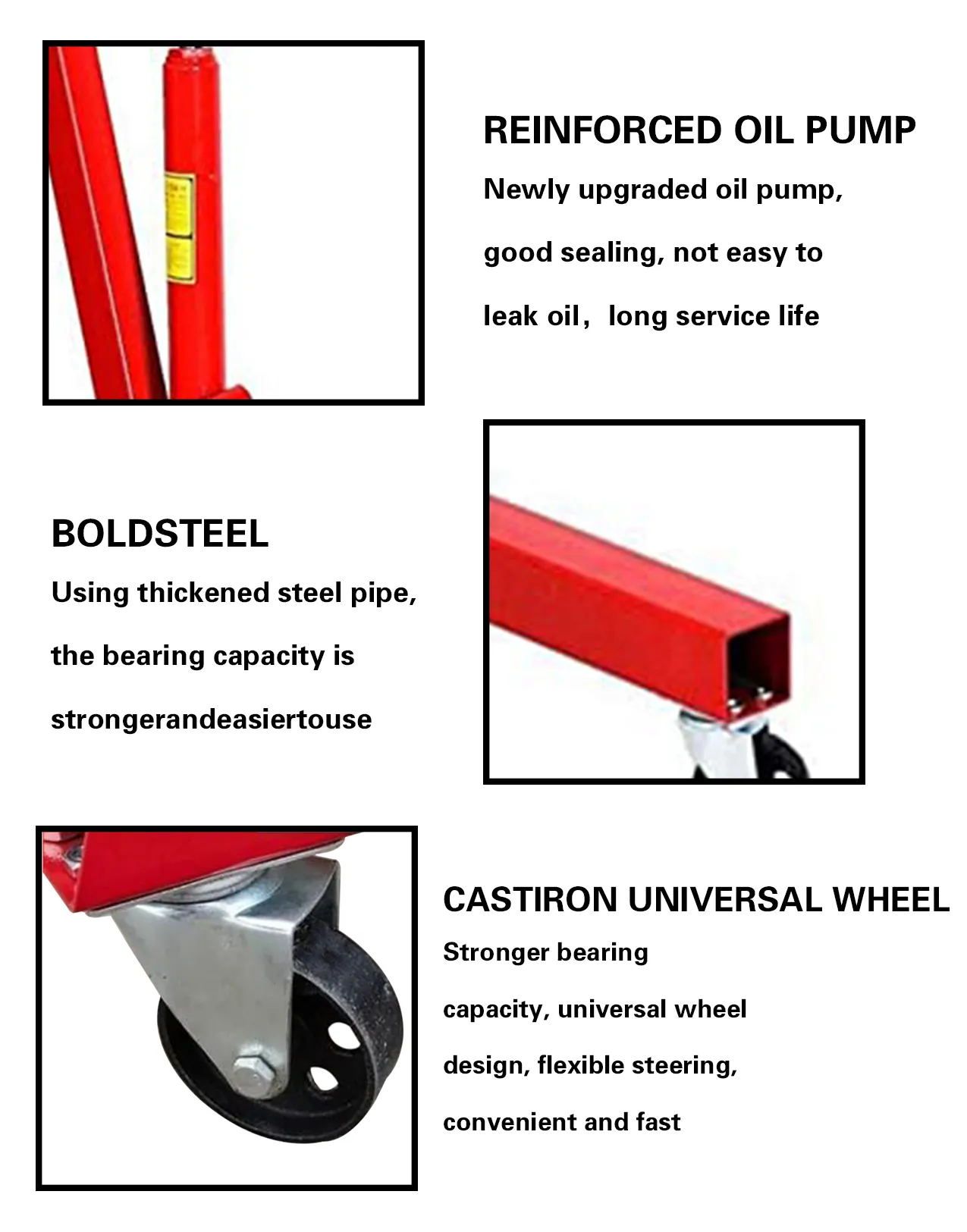
The core components of an auto body porta power system necessitate materials capable of withstanding extreme pressures and cyclical loading. Hydraulic cylinders are commonly constructed from AISI 1045 steel, chosen for its high tensile strength (approximately 570 MPa) and good machinability. The cylinder bore is typically honed to a Ra 0.8 μm surface finish to minimize friction and maximize seal life. Pistons utilize nitrile rubber O-rings with a Shore A hardness of 90, providing a robust sealing solution against hydraulic fluid leakage. Spreader tips, which directly interface with the vehicle body, are frequently manufactured from hardened tool steel (e.g., AISI D2) exhibiting a Rockwell hardness of 60-62 HRC to resist deformation and wear. Hydraulic fluid employed is usually a mineral oil-based formulation with a viscosity of 46 cSt at 40°C, incorporating anti-wear additives and corrosion inhibitors.
Manufacturing involves several key processes. Cylinder bodies are formed via deep drawing followed by machining and honing. Pistons are cast or forged and then precision ground. Spreader tips undergo CNC milling to achieve accurate geometry and are subsequently heat-treated for hardening. Hydraulic hoses are constructed from multi-layered reinforced rubber, incorporating a steel wire braid for pressure resistance. Assembly is critical, requiring precise torque control during fastener tightening to prevent leaks or structural failure. Quality control includes hydrostatic testing to verify pressure holding capacity and non-destructive testing (NDT), such as magnetic particle inspection (MPI), to detect surface cracks in critical components. Parameter control focuses on maintaining tight tolerances during machining, consistent heat treatment cycles, and proper sealing compound application.
Performance & Engineering
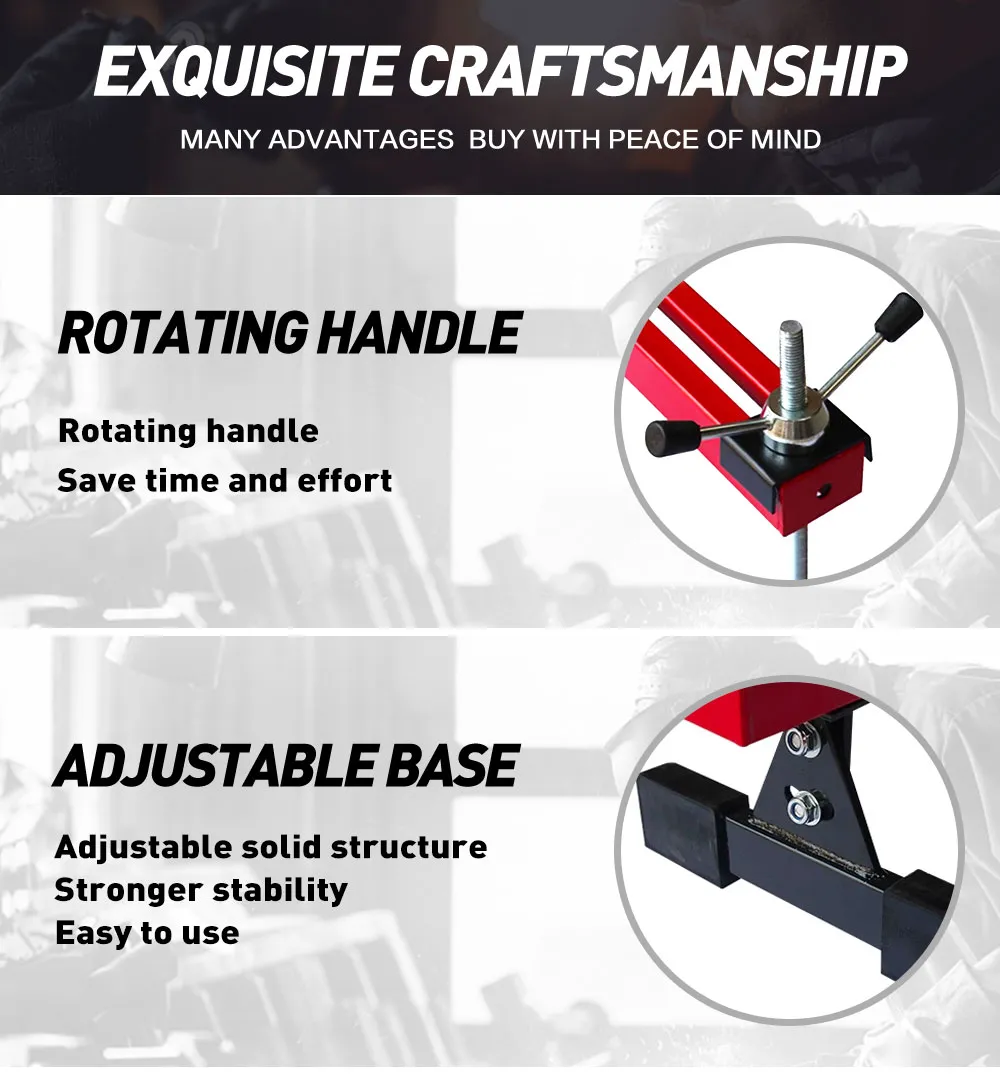
The performance of auto body porta power tools is governed by Pascal's Law, which dictates that pressure applied to a confined fluid is transmitted equally in all directions. The force generated (F) is calculated as F = P x A, where P is the hydraulic pressure and A is the piston area. Engineers must account for the dynamic loading conditions inherent in body repair, including impact forces and the non-uniform distribution of stress in damaged structures. Finite Element Analysis (FEA) is frequently employed to model stress concentrations and optimize spreader tip geometry. Environmental resistance is a critical design consideration; exposure to road salts, cleaning agents, and temperature fluctuations can lead to corrosion and component degradation. The tools must meet stringent safety standards, including features such as pressure relief valves to prevent over-pressurization and robust hose couplings to prevent separation under load. Compliance with automotive industry standards, such as those defined by manufacturers like Ford, GM, and Chrysler, is paramount. Proper usage involves applying force slowly and evenly to avoid localized deformation and ensure successful separation of bonded or welded joints. Force analysis considers the yield strength of the materials being separated and the potential for plastic deformation.
Technical Specifications
| Parameter | Unit | Typical Value (8-Ton Model) | Typical Value (20-Ton Model) |
|---|---|---|---|
| Maximum Working Pressure | MPa | 70 | 70 |
| Spreading Force | kN | 78.4 | 196 |
| Stroke Length | mm | 50 | 50 |
| Hydraulic Fluid Capacity | L | 0.6 | 1.2 |
| Operating Temperature Range | °C | -20 to 80 | -20 to 80 |
| Hose Length | m | 1.5 | 1.5 |
Failure Mode & Maintenance
Auto body porta power tools are susceptible to several failure modes. Hydraulic leaks, often originating from worn O-rings or damaged seals, are common. Fatigue cracking in the cylinder body or spreader tips can occur due to repeated cyclical loading, particularly if the tool is subjected to loads exceeding its rated capacity. Corrosion, especially in environments with high salt exposure, can lead to pitting and reduced component strength. Hose failure, manifesting as bursting or kinking, is often caused by abrasion or over-bending. Delamination of the hose reinforcement layers can also occur.
Preventative maintenance is crucial. Regular inspection of hoses for cracks, kinks, and abrasions is essential. Hydraulic fluid should be replaced annually or as recommended by the manufacturer. O-rings and seals should be inspected and replaced if they show signs of wear or damage. Cylinder and spreader tip surfaces should be cleaned and lubricated to prevent corrosion. Tools should be stored in a dry environment to minimize corrosion risk. If a hydraulic leak is detected, the tool should be immediately taken out of service and repaired by a qualified technician. Regular calibration of the pressure gauge is also recommended to ensure accurate force delivery. Following proper operating procedures, avoiding overextension of the stroke, and protecting the tool from physical damage will significantly extend its service life.
Industry FAQ
Q: What is the primary difference between single-acting and double-acting porta power systems, and which is preferred for auto body repair?
A: Single-acting systems apply force in one direction (spreading) and rely on a spring for retraction, whereas double-acting systems utilize hydraulic pressure for both extension and retraction. Double-acting systems offer more precise control and faster cycle times, making them preferred for auto body repair where controlled separation is critical and speed increases efficiency.
Q: How does the viscosity of the hydraulic fluid affect the performance and longevity of the porta power tool?
A: Higher viscosity fluids provide better lubrication but increase resistance to flow, potentially reducing responsiveness. Lower viscosity fluids flow more easily but may not provide adequate lubrication, leading to increased wear. The manufacturer-recommended viscosity (typically 46 cSt) strikes a balance between these factors, ensuring optimal performance and minimizing component wear.
Q: What are the key considerations for selecting the appropriate spreader tip geometry for a specific repair application?
A: Tip geometry should be chosen to match the contour of the vehicle body panel and distribute force evenly. Narrow, pointed tips are suitable for initiating separation in tight spaces, while wider, rounded tips are preferred for spreading larger areas. Using an inappropriate tip can cause localized deformation or damage to surrounding components.
Q: How can technicians prevent corrosion and maintain the hydraulic system’s cleanliness?
A: Regular inspection of hoses and connections for leaks is critical. Utilize corrosion inhibitors added to the hydraulic fluid and ensure proper storage in a dry environment. Filter the hydraulic fluid periodically to remove contaminants and maintain fluid quality. Avoid introducing dirt or debris into the hydraulic system during fluid changes.
Q: What safety precautions must be followed when operating a porta power tool?
A: Always wear safety glasses and gloves. Ensure the work area is clear of personnel. Never exceed the tool’s rated capacity. Apply force slowly and evenly. Never position yourself directly in the path of the spreading force. Inspect the tool before each use for any signs of damage.
Conclusion
Auto body porta power tools represent an indispensable element in modern automotive collision repair, enabling technicians to efficiently and safely separate damaged components. The effective operation of these tools is deeply rooted in principles of fluid mechanics, material science, and precision manufacturing. Selecting tools with appropriate capacity, maintaining them diligently, and adhering to safety protocols are paramount to ensuring both repair quality and operator safety.
Future advancements may focus on incorporating wireless control systems, integrated pressure sensors for real-time force feedback, and the development of lightweight, high-strength materials for improved ergonomics and durability. Continued research into hydraulic fluid formulations with enhanced environmental compatibility and extended service life will also contribute to the advancement of this critical repair technology.
