Introduction
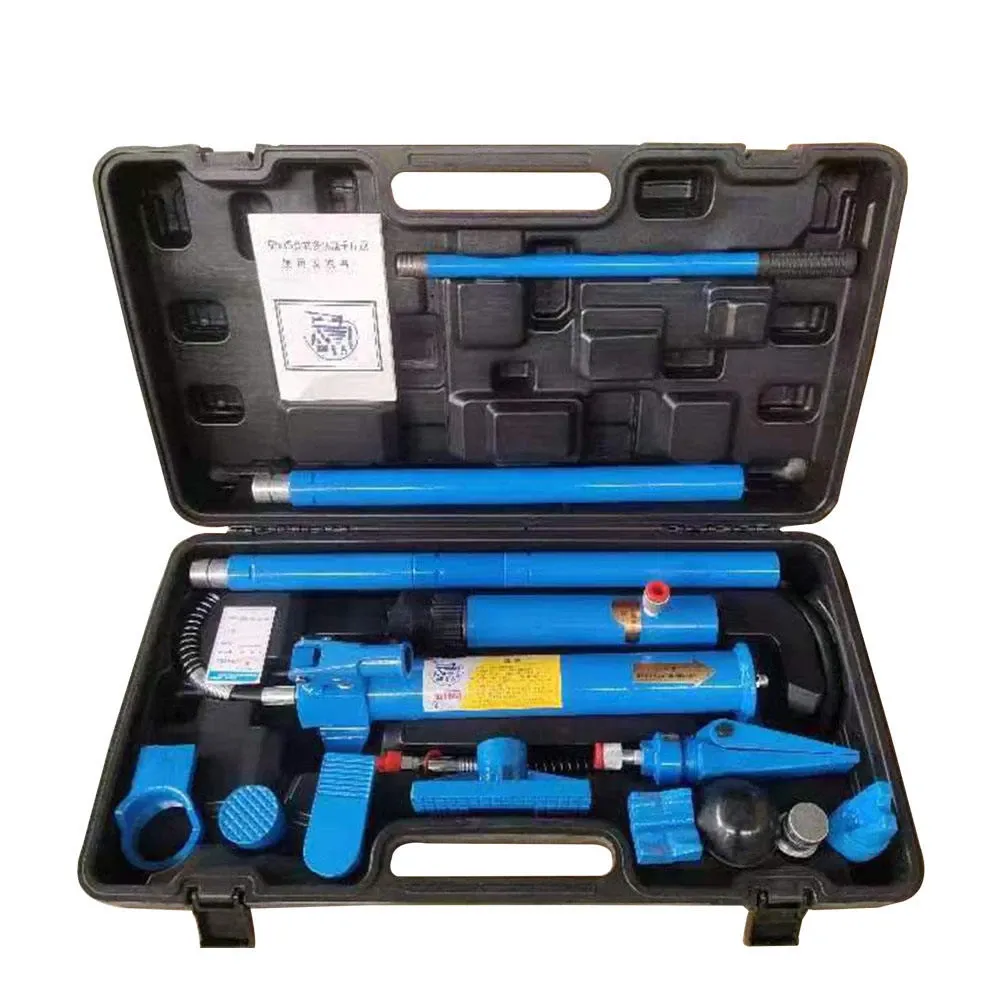
Automotive jacks are fundamental lifting devices employed in the automotive industry for vehicle maintenance, repair, and tire changes. Categorized broadly into mechanical, hydraulic, and pneumatic types, these tools facilitate the safe elevation of vehicles, providing access to undercarriage components. Their technical position within the automotive aftermarket supply chain is critical, serving both professional repair facilities and individual vehicle owners. Core performance characteristics center around lifting capacity (tonnage), lift height, stability under load, and operational safety features. The proliferation of vehicle types – from lightweight passenger cars to heavy-duty trucks and SUVs – necessitates a diverse range of jack designs and capacities. This guide provides an in-depth technical overview of automotive jacks, encompassing material science, manufacturing processes, performance engineering, failure modes, and relevant industry standards. A significant industry pain point lies in ensuring consistent quality control across varying manufacturing origins, particularly concerning material fatigue and weld integrity which directly impact operational safety.
Material Science & Manufacturing
The predominant materials used in automotive jack construction are high-strength steel alloys (typically AISI 1045 or equivalent) for critical load-bearing components like the lifting arm, saddle, and base. Hydraulic jacks incorporate hydraulic fluid, commonly a mineral oil-based formulation with viscosity additives to maintain performance across a range of temperatures. Seals are typically manufactured from nitrile butadiene rubber (NBR) or hydrogenated nitrile butadiene rubber (HNBR) offering resistance to hydraulic fluids and maintaining sealing integrity under pressure. Manufacturing processes vary based on jack type. Mechanical jacks often utilize forging and machining for high-stress parts, followed by assembly. Hydraulic jacks involve deep drawing for the jack body, precision machining for the piston and cylinder, and welding for structural reinforcement. Pneumatic jacks typically involve sheet metal fabrication and pneumatic cylinder assembly. Key parameter control during manufacturing includes heat treatment of steel components to achieve required hardness and tensile strength, accurate cylinder honing to minimize fluid leakage, and rigorous weld inspection using non-destructive testing (NDT) methods like ultrasonic testing or radiographic inspection. The selection of steel grade is crucial, directly impacting yield strength, tensile strength, and fatigue resistance. Corrosion protection is applied through processes such as phosphating and powder coating to enhance durability and prevent rust formation. Careful control of hydraulic fluid purity is also vital to prevent premature wear and failure of hydraulic components.
Performance & Engineering
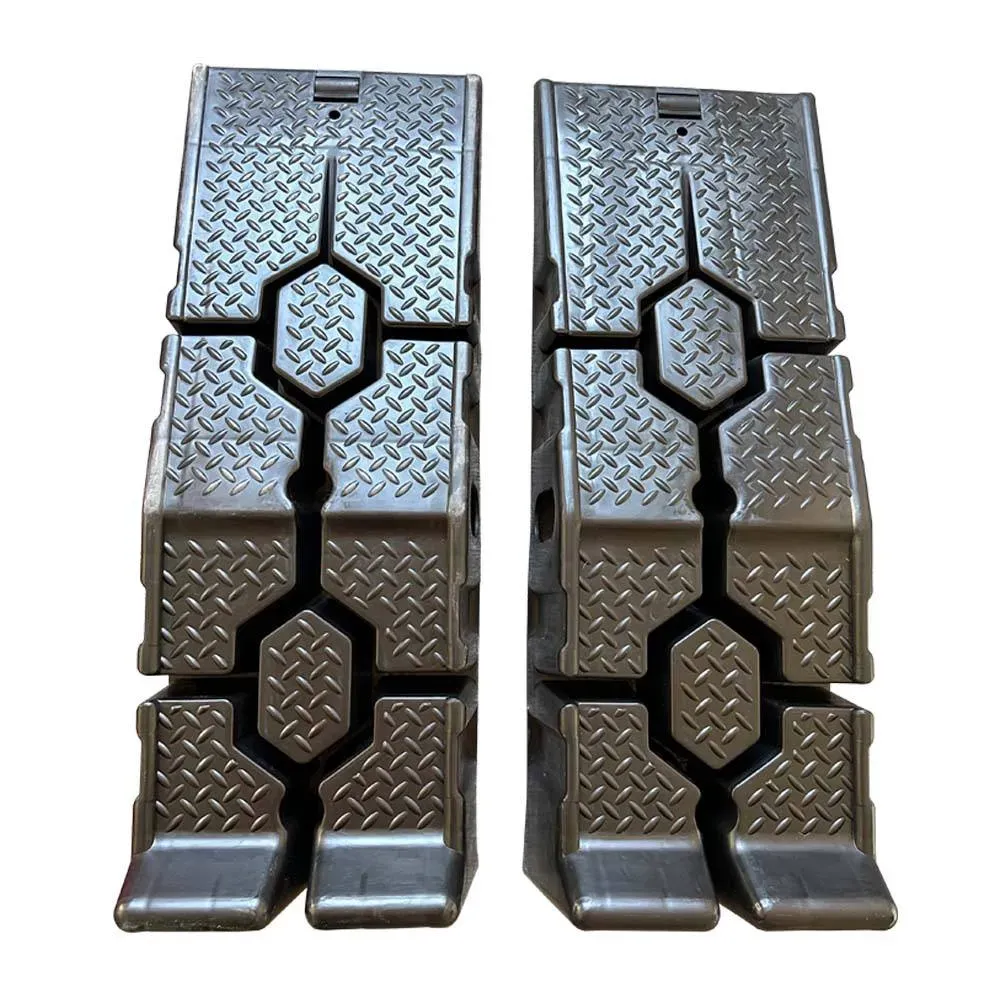
Performance analysis of automotive jacks centers on structural integrity under load and operational stability. Force analysis utilizes finite element analysis (FEA) to model stress distribution within critical components, ensuring they can withstand the maximum rated lifting capacity with an appropriate safety factor (typically 2:1 or higher). Environmental resistance is crucial, with jacks designed to operate effectively in a wide range of temperatures and humidity levels. Hydraulic jack performance is affected by fluid compressibility and seal leakage; engineering focuses on minimizing these factors through precise component tolerances and high-quality seal materials. Compliance requirements mandate adherence to safety standards established by organizations like ASME (American Society of Mechanical Engineers) and PALD (Product Assurance and Liability Division). Functional implementation necessitates precise control valve design in hydraulic and pneumatic jacks to ensure smooth and controlled lifting and lowering. Stability is enhanced through wide base designs and locking mechanisms to prevent accidental lowering. The jack’s saddle design and material selection are critical to avoid damaging the vehicle’s lifting points. Furthermore, considerations for ergonomic design impact usability and reduce operator fatigue.
Technical Specifications
| Parameter | Unit | Hydraulic Bottle Jack (Standard) | Floor Jack (Professional) |
|---|---|---|---|
| Lifting Capacity | tons | 2 | 3 |
| Minimum Lift Height | inches | 3.7 | 3.5 |
| Maximum Lift Height | inches | 15.7 | 18.1 |
| Base Diameter | inches | 5.1 | 8.3 |
| Pump Handle Strokes per Inch Lift | strokes/in | 8 | 12 |
| Hydraulic Fluid Capacity | quarts | 0.6 | 1.5 |
Failure Mode & Maintenance
Automotive jacks are susceptible to several failure modes. Hydraulic jacks can experience seal failure leading to fluid leakage and reduced lifting capacity. This is often exacerbated by contamination within the hydraulic fluid. Fatigue cracking can occur in the lifting arm or saddle due to repeated stress cycles, particularly with overloaded or improperly used jacks. Mechanical jacks can experience gear tooth wear or breakage, rendering the lifting mechanism inoperable. Weld failures in the jack’s structure are a critical safety concern, often initiated by stress concentrations at weld points. Corrosion can weaken structural components, reducing their load-bearing capacity. Maintenance involves regular inspection for leaks, cracks, and corrosion. Hydraulic fluid should be periodically replaced (typically every 12-24 months) to maintain optimal performance and prevent internal corrosion. Lubrication of moving parts (e.g., screw threads in mechanical jacks) is essential. Periodic visual inspection of welds is crucial, and any signs of cracking should necessitate immediate removal from service. Avoid exceeding the jack’s rated lifting capacity, and always use the jack on a level, stable surface. Proper storage in a clean, dry environment can extend the jack’s lifespan. A common failure analysis technique involves metallographic examination of fractured components to determine the root cause of failure, such as fatigue, overload, or material defects.
Industry FAQ
Q: What is the difference between a bottle jack and a floor jack in terms of structural integrity?
A: Bottle jacks, while compact and offering high lifting capacity for their size, generally have a narrower base and a higher center of gravity compared to floor jacks. This makes them inherently less stable and more prone to tipping under load. Floor jacks, with their wider base and longer handle, provide greater stability and leverage, distributing the load over a larger area. The structural design of a floor jack often incorporates more robust steel construction and a more sophisticated locking mechanism, enhancing overall structural integrity.
Q: How does the quality of hydraulic fluid affect the lifespan of a hydraulic jack?
A: Hydraulic fluid is the lifeblood of a hydraulic jack. Poor quality fluid, or fluid contaminated with dirt, moisture, or air, can significantly reduce the jack's lifespan. Contaminants cause abrasive wear on internal components like the pump, seals, and piston. Moisture promotes corrosion, and air bubbles reduce hydraulic efficiency. Using the correct type of hydraulic fluid (typically a mineral oil-based formulation with specific viscosity and anti-wear additives) and maintaining its purity through regular fluid changes is critical for optimal performance and longevity.
Q: What are the key considerations when selecting a jack for heavy-duty trucks?
A: Selecting a jack for heavy-duty trucks requires careful consideration of lifting capacity, lift height, and stability. Trucks typically require jacks with a lifting capacity of 5 tons or higher. A floor jack with a reinforced frame and a wide base is generally preferred for its stability. Air jacks are also a viable option for heavy-duty applications, offering quick lifting and lowering capabilities. It's crucial to ensure the jack's saddle is appropriately sized and shaped to securely engage the truck's designated lifting points.
Q: What types of non-destructive testing (NDT) are commonly used to inspect welded components in automotive jacks?
A: Common NDT methods used to inspect welded components in automotive jacks include ultrasonic testing (UT), radiographic inspection (RT), and magnetic particle inspection (MPI). UT uses sound waves to detect internal flaws within the weld. RT uses X-rays to create an image of the weld’s internal structure, revealing cracks or porosity. MPI detects surface and near-surface defects by using magnetic fields and iron particles. These methods help identify potential weaknesses in the welds before they lead to failure.
Q: What are the implications of using a jack with a compromised safety valve?
A: The safety valve (or overload valve) in a hydraulic jack is a critical safety feature designed to prevent overextension of the piston and potential catastrophic failure. If the safety valve is compromised – either blocked or malfunctioning – the jack can be lifted beyond its rated capacity, placing excessive stress on internal components and potentially causing the jack to collapse. This poses a significant safety hazard to the vehicle and personnel. Regular inspection and testing of the safety valve are essential to ensure its proper function.
Conclusion
Automotive jacks represent a critical component within the automotive maintenance ecosystem. Their reliable operation hinges on a confluence of robust material science, precise manufacturing processes, and adherence to stringent engineering principles. Understanding the potential failure modes – ranging from hydraulic seal degradation to structural fatigue – is paramount for ensuring user safety and extending the service life of these essential tools. Proper maintenance protocols, including regular fluid changes, component inspection, and adherence to load limits, are vital for mitigating risks and maximizing performance.
The continued evolution of automotive jack technology is likely to focus on improved safety features, lighter weight materials, and enhanced ergonomics. Integration of smart sensors for load monitoring and stability detection could further enhance operational safety. Standardization of testing procedures and quality control measures across global manufacturing facilities is crucial to address the persistent industry challenge of inconsistent product quality. The long-term viability of automotive jack manufacturers will depend on their ability to innovate, prioritize safety, and deliver reliable, durable products that meet the evolving demands of the automotive industry.
