Introduction
The Banner 10 Ton Porta Power is a hydraulic tool designed for industrial maintenance, repair, and operations (MRO) requiring substantial lifting and spreading force. Positioned within the hydraulic tool chain as a portable power unit, it fills a crucial gap between manual mechanical advantage systems and large, stationary hydraulic presses. Its core performance characteristics revolve around delivering controlled force for tasks like bending, straightening, pressing, and lifting, providing an efficient alternative to conventional methods. A primary pain point addressed by the Porta Power is the need for on-site repair capabilities where transporting components to a workshop is impractical or costly. The 10-ton capacity represents a common balance between portability and the force required for many industrial applications, but understanding its operational limits and proper usage is vital to avoid equipment failure and ensure worker safety.
Material Science & Manufacturing
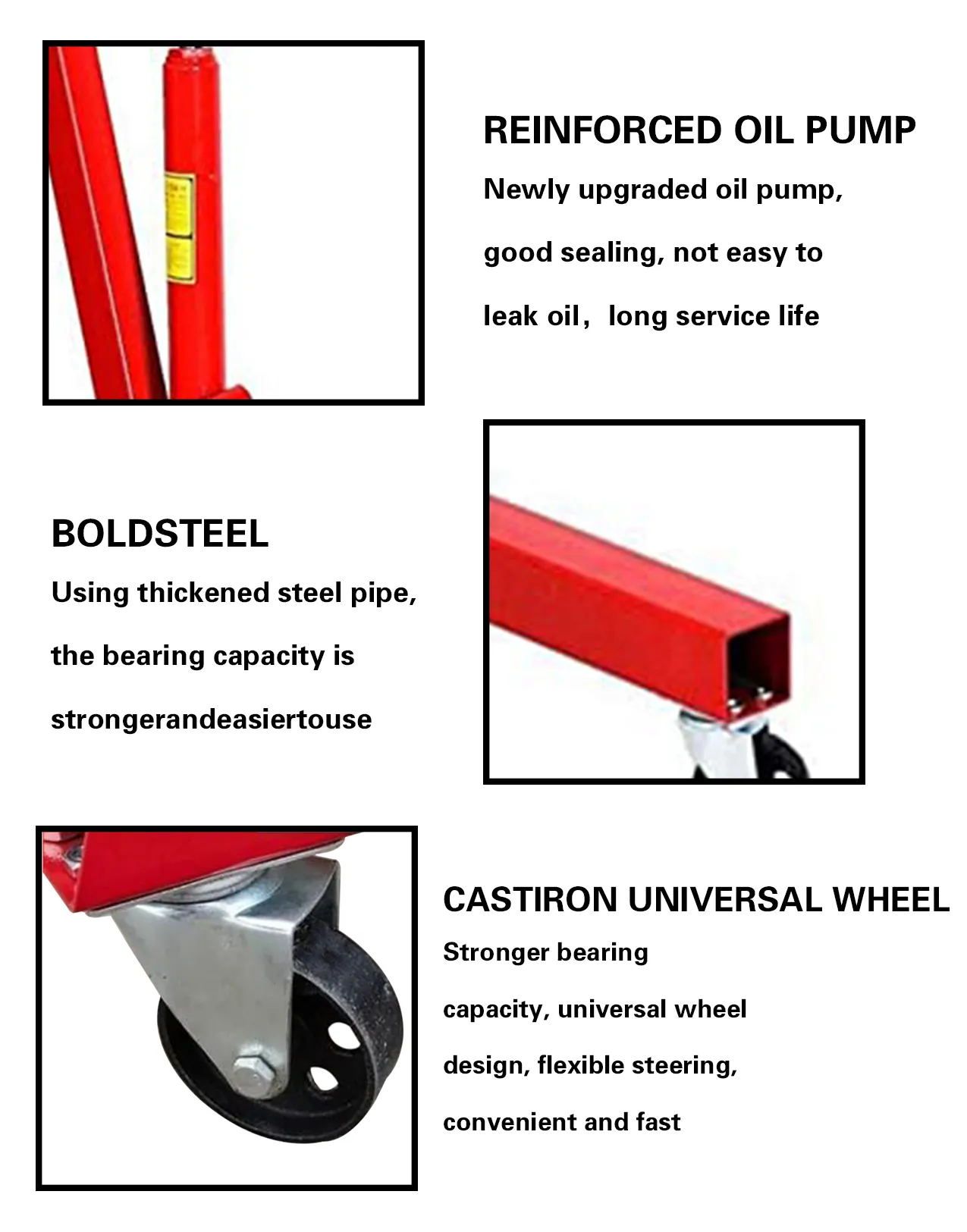
The Banner 10 Ton Porta Power's functionality is directly tied to the material properties of its key components. The hydraulic cylinder is typically constructed from high-strength alloy steel (often 4140 or equivalent), chosen for its yield strength, tensile strength, and resistance to fatigue. Surface hardening processes, such as induction hardening or chrome plating, are applied to the cylinder bore to improve wear resistance and prevent corrosion. The hydraulic fluid, typically a mineral oil-based formulation with corrosion inhibitors and viscosity modifiers, operates within a temperature range of -20°C to 80°C, requiring careful selection based on the operating environment. The pump body and reservoir are usually constructed from ductile cast iron or welded steel, prioritizing impact resistance and fluid containment.
Manufacturing involves several key processes. Cylinder construction typically begins with honing the internal bore to achieve a smooth, precise surface finish, crucial for sealing performance. The hydraulic pump employs a spring-return design, utilizing a piston and check valves to generate pressure with each stroke. Welding is a critical process in the assembly of the frame and pump housing, requiring strict adherence to AWS D1.1 structural welding code. Parameter control during welding is essential to prevent distortion and maintain structural integrity. Quality control includes hydrostatic testing of the cylinder and pump to verify leak-free operation at pressures exceeding the rated capacity, and non-destructive testing (NDT) methods like magnetic particle inspection to detect surface cracks in welded joints.
Performance & Engineering
The performance of the Banner 10 Ton Porta Power is governed by Pascal's Law, dictating that pressure applied to a confined fluid is transmitted equally in all directions. The 10-ton capacity translates to a maximum force of approximately 98,000 Newtons (10,000 kg 9.81 m/s²). Force analysis requires considering the cylinder's effective area (determined by the bore diameter) and the hydraulic pressure. Environmental resistance is a key consideration. Exposure to corrosive environments (e.g., marine atmospheres, chemical plants) necessitates the use of corrosion-resistant materials and protective coatings. Operating temperature also impacts performance; viscosity changes in the hydraulic fluid can affect pump efficiency and response time.
Compliance requirements often include adherence to OSHA safety standards (specifically regarding hydraulic equipment operation) and potentially regional regulations governing the use of pressurized systems. The engineering design prioritizes stability under load; the base of the Porta Power is designed with a wide footprint to prevent tipping. The ram extension length and included accessories (e.g., saddle, spreader tips) are engineered to provide versatility for various applications. Proper selection of hoses and fittings is crucial to ensure they can withstand the operating pressure and prevent leaks. Fatigue analysis is performed on the pump components to predict their service life under repeated cycling.
Technical Specifications
| Parameter | Specification | Testing Standard | Tolerance |
|---|---|---|---|
| Rated Capacity | 10 Tons (98,000 N) | ASTM F1554 | ±5% |
| Working Pressure | 700 bar (10,000 psi) | ISO 6020-1 | ±3% |
| Cylinder Stroke | 150 mm (6 in) | Internal Specification | ±2 mm |
| Ram Extension Length | Variable (with accessories) | N/A | Dependent on accessory |
| Hydraulic Fluid | ISO VG 32 Mineral Oil | ISO 3448 | Viscosity within range |
| Operating Temperature Range | -20°C to 80°C (-4°F to 176°F) | Internal Specification | ±5°C |
Failure Mode & Maintenance
Common failure modes of the Banner 10 Ton Porta Power include hydraulic leaks (resulting from seal degradation or fitting failure), cylinder drift (caused by internal wear or damaged seals), pump failure (due to contamination or component fatigue), and structural failure of the frame (resulting from overload or corrosion). Fatigue cracking can occur in the pump piston or cylinder barrel due to repeated stress cycles. Delamination of the cylinder bore coating can also occur, leading to corrosion and reduced performance. Oxidation of the hydraulic fluid can lead to sludge formation and reduced lubrication, accelerating wear.
Preventative maintenance is crucial for extending service life. Regular inspection for leaks is paramount. Hydraulic fluid should be replaced annually or as recommended by the manufacturer. Seals should be inspected and replaced if damaged. The pump should be flushed periodically to remove contaminants. The frame should be inspected for corrosion and repainted as necessary. Proper storage is also important; the Porta Power should be stored in a clean, dry environment to prevent corrosion. When troubleshooting, always depressurize the system before disconnecting any components. If a hydraulic leak is detected, identify the source and replace the damaged seal or fitting. If the pump is not building pressure, check the fluid level and inspect the pump components for wear.
Industry FAQ
Q: What is the primary difference between single-acting and double-acting Porta Powers, and how does that affect application suitability?
A: Single-acting Porta Powers rely on a spring to return the ram to its retracted position, offering simplicity but limited control. Double-acting versions use hydraulic pressure for both extension and retraction, providing more precise control and force in both directions, crucial for applications requiring consistent pressure or automated cycling.
Q: What are the critical considerations when selecting hydraulic fluid for the Banner 10 Ton Porta Power?
A: Fluid viscosity, compatibility with seal materials, corrosion inhibition, and oxidation stability are paramount. ISO VG 32 mineral oil is typically recommended, but synthetic fluids may be suitable for extreme temperature applications. Avoid fluids that are not specifically designed for hydraulic systems.
Q: How can I mitigate the risk of hydraulic fluid contamination, and what are the consequences of operating with contaminated fluid?
A: Use a fluid reservoir with a breather cap to prevent ingress of dirt and moisture. Filter the fluid during refilling and periodically during operation. Contamination leads to accelerated wear of pump components, valve sticking, and reduced system efficiency.
Q: What are the limitations of using a Porta Power for bending applications, and what precautions should be taken to prevent component failure?
A: Porta Powers are best suited for controlled bending of ductile materials. Avoid attempting to bend brittle materials or exceeding the rated capacity. Use appropriate bending dies and support the workpiece adequately to prevent twisting or buckling. Ensure the ram is aligned with the bending axis.
Q: What safety procedures should be followed when operating a Banner 10 Ton Porta Power to prevent injury?
A: Always wear appropriate personal protective equipment (PPE), including safety glasses and gloves. Ensure the workpiece is securely supported. Never exceed the rated capacity. Depressurize the system before disconnecting any components. Avoid placing hands or body parts near the ram during operation.
Conclusion
The Banner 10 Ton Porta Power represents a versatile and efficient solution for industrial lifting, spreading, and pressing applications. Its performance is intrinsically linked to material science principles governing hydraulic systems and the precision of its manufacturing processes. Understanding the potential failure modes and implementing a robust preventative maintenance program are critical for maximizing equipment lifespan and ensuring operational safety.
Moving forward, advancements in Porta Power technology may focus on incorporating lighter-weight materials, improving pump efficiency, and integrating smart monitoring systems for predictive maintenance. The continued demand for portable, high-force hydraulic tools will drive innovation in this sector, demanding a commitment to rigorous engineering standards and adherence to industry best practices.
