Introduction
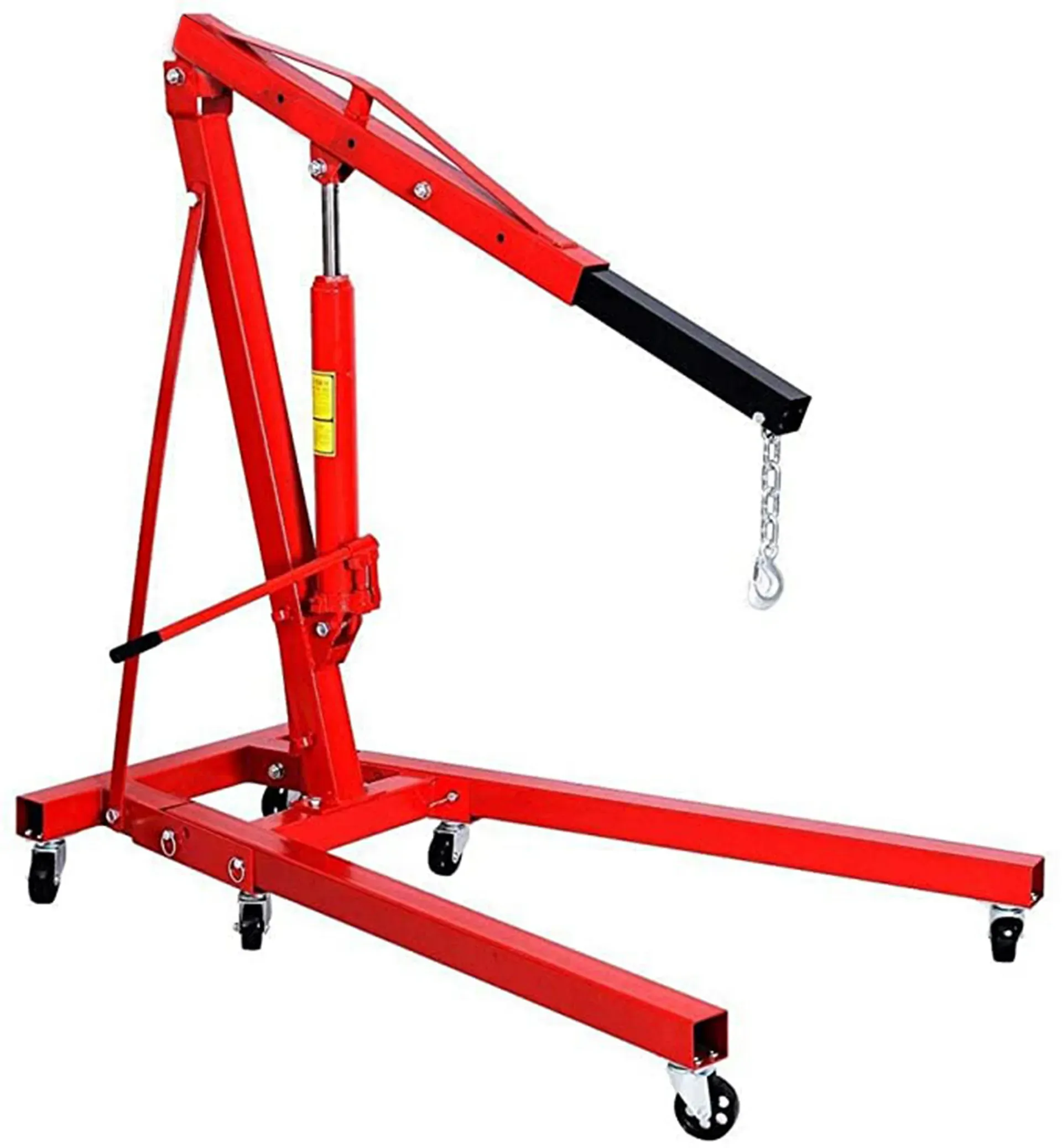
Heavy-duty hydraulic floor jacks, commonly referred to as “big car jacks for sale,” represent a critical component in automotive repair, maintenance, and heavy equipment lifting. These jacks occupy a significant position within the industrial tool supply chain, bridging the gap between manufacturing and end-user application in automotive workshops, construction sites, and emergency roadside assistance services. Unlike lightweight scissor jacks or bottle jacks, these floor jacks prioritize substantial lifting capacity and operational stability for larger vehicles such as trucks, buses, and heavy-duty machinery. Core performance metrics include rated lifting capacity (tonnage), minimum and maximum lifting heights, pump stroke count, and overall structural integrity under load. The industry faces persistent challenges regarding safety, durability, and the need for consistent performance in demanding environments. This guide provides an in-depth technical analysis of heavy-duty floor jacks, encompassing material science, manufacturing processes, performance characteristics, potential failure modes, and relevant industry standards.
Material Science & Manufacturing
The construction of a heavy-duty floor jack relies on a carefully selected array of materials. The jack’s frame and lifting arm are typically constructed from high-strength carbon steel, specifically AISI 1045 or equivalent, chosen for its balance of tensile strength, yield strength, and weldability. These steels undergo heat treatment processes – quenching and tempering – to optimize hardness and toughness, resisting deformation under significant loads. The hydraulic cylinder is fabricated from honed steel tubing, often SAE 1020, ensuring a smooth inner surface for piston seal integrity and minimizing friction. The piston itself utilizes alloy steel, frequently 4140, to withstand high pressures generated within the hydraulic system. Seals within the cylinder are predominantly composed of nitrile butadiene rubber (NBR) or hydrogenated nitrile butadiene rubber (HNBR), selected for their resistance to hydraulic fluids and temperature variations. The hydraulic fluid itself is typically a mineral oil-based fluid with viscosity additives to maintain consistent performance across a range of temperatures. Manufacturing processes involve precision machining of steel components, robotic welding for frame assembly, and hydraulic cylinder honing. Critical parameter control during manufacturing includes weld penetration depth, heat treatment temperature and duration, and cylinder bore tolerances. Quality control incorporates non-destructive testing (NDT) methods like ultrasonic testing and magnetic particle inspection to detect internal flaws in welded joints and steel components. Proper surface finishing, such as phosphate coating, is crucial for corrosion resistance.
Performance & Engineering
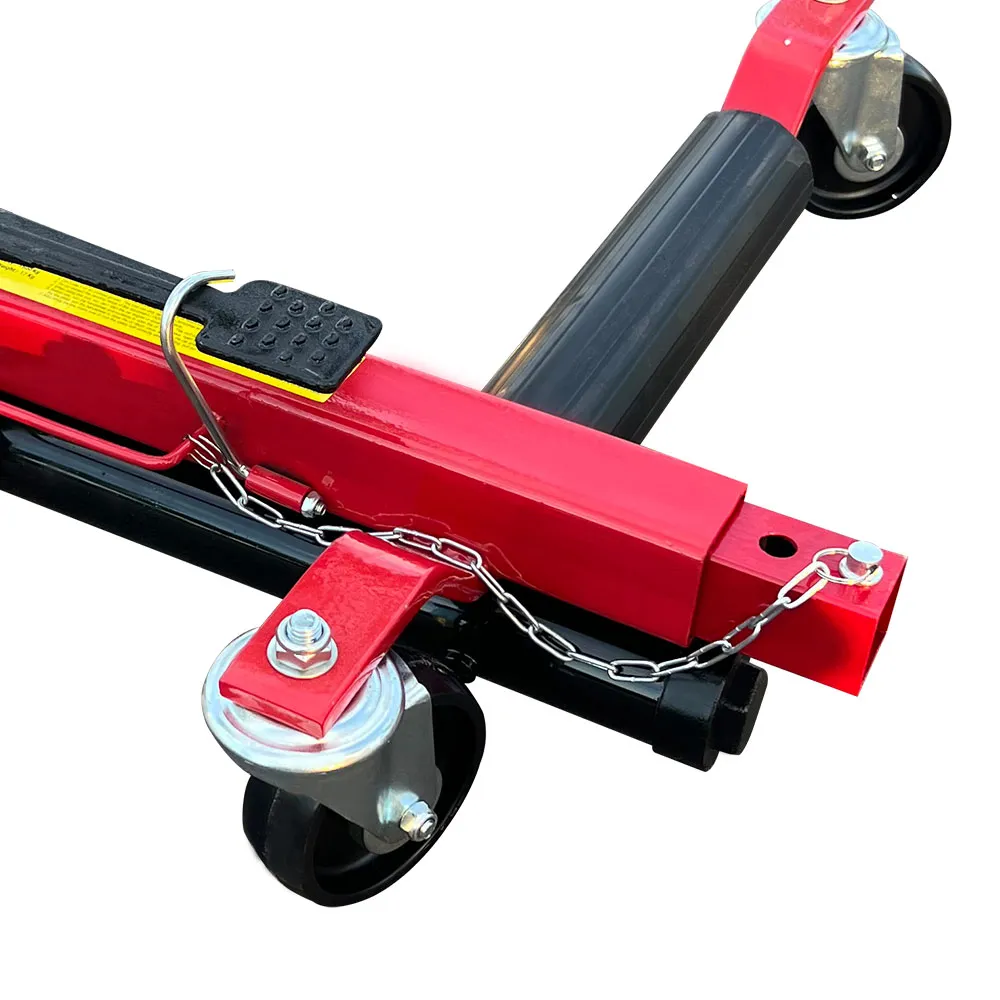
The performance of a heavy-duty floor jack is fundamentally governed by Pascal’s Law, which dictates the transmission of pressure within a confined fluid. The hydraulic system utilizes a lever-based pump mechanism to generate the necessary pressure to lift the load. Force analysis centers on calculating the mechanical advantage provided by the pump lever and the resulting lift force applied to the lifting arm. The structural integrity of the jack is evaluated through finite element analysis (FEA), simulating stress distribution under maximum load conditions. Critical design considerations include minimizing bending moments in the lifting arm and ensuring adequate support for the hydraulic cylinder. Environmental resistance is paramount, particularly in outdoor applications where exposure to moisture, dust, and temperature extremes is common. Seals must maintain their integrity across a wide temperature range to prevent fluid leakage. Compliance requirements vary by region but typically involve adherence to safety standards such as ASME B30.1 (Safeguarding Industrial Lifting Equipment) in the United States and EN 1494:2000 in Europe. The jack’s stability is also a critical engineering parameter, assessed by calculating the center of gravity and ensuring a sufficiently large base to prevent tipping under load. The valve system governing ascent and descent must be designed for smooth, controlled operation, preventing sudden drops or uncontrolled lowering. Consideration of the material’s Poisson's ratio is important for predicting deformation under pressure.
Technical Specifications
| Parameter | 20-Ton Floor Jack | 30-Ton Floor Jack | 50-Ton Floor Jack | 60-Ton Floor Jack |
|---|---|---|---|---|
| Rated Lifting Capacity | 20,000 lbs (9,072 kg) | 30,000 lbs (13,608 kg) | 50,000 lbs (22,680 kg) | 60,000 lbs (27,216 kg) |
| Minimum Lifting Height | 5.5 in (140 mm) | 5.7 in (145 mm) | 6.0 in (152 mm) | 6.2 in (157 mm) |
| Maximum Lifting Height | 24.4 in (620 mm) | 27.5 in (699 mm) | 33.5 in (851 mm) | 37.4 in (950 mm) |
| Pump Stroke Count (per lift) | 12-15 | 10-12 | 8-10 | 7-9 |
| Hydraulic Fluid Capacity | 2.2 qt (2.1 L) | 3.0 qt (2.8 L) | 4.5 qt (4.3 L) | 5.0 qt (4.7 L) |
| Overall Dimensions (L x W x H) | 30 x 14 x 8 in (762 x 356 x 203 mm) | 35 x 16 x 8.5 in (889 x 406 x 216 mm) | 40 x 18 x 9 in (1016 x 457 x 229 mm) | 45 x 20 x 9.5 in (1143 x 508 x 241 mm) |
Failure Mode & Maintenance
Heavy-duty floor jacks are susceptible to several failure modes. Hydraulic fluid leaks are a common occurrence, often stemming from seal degradation due to age, temperature fluctuations, or contamination. Fatigue cracking can develop in the lifting arm or frame, particularly at weld points, under repeated stress cycles. Internal cylinder corrosion can occur if the hydraulic fluid becomes contaminated with water. Air ingress into the hydraulic system can result in spongy operation and reduced lifting capacity. Valve failure can lead to uncontrolled descent, posing a significant safety hazard. Preventative maintenance is crucial. This includes regular inspection of seals for leaks, periodic fluid changes (typically annually or every 500 cycles), and lubrication of moving parts. Fluid contamination should be avoided; using a fluid filter during filling is recommended. Weld points should be visually inspected for cracks. Any damaged or worn components should be replaced immediately. Proper storage in a clean, dry environment can extend the lifespan of the jack. Regularly check the operation of the release valve to ensure it functions smoothly and effectively. Failure to adhere to a consistent maintenance schedule drastically increases the risk of catastrophic failure.
Industry FAQ
Q: What is the significance of the pump stroke count, and how does it relate to jack efficiency?
A: The pump stroke count refers to the number of full lever movements required to raise the jack by a specific increment. A lower stroke count generally indicates higher efficiency, meaning less physical effort is required to achieve the desired lift height. However, it’s not a sole indicator of quality; hydraulic system design and seal integrity also play critical roles.
Q: How does the choice of hydraulic fluid affect the jack’s performance and lifespan?
A: The hydraulic fluid’s viscosity, anti-wear properties, and corrosion inhibition capabilities are crucial. Using the manufacturer-recommended fluid ensures optimal performance, prevents seal damage, and minimizes internal corrosion. Substituting with an incompatible fluid can lead to leaks, reduced lifting capacity, and accelerated wear.
Q: What are the key indicators of seal failure, and what steps should be taken?
A: Visible fluid leaks, spongy operation (where the jack doesn’t hold position), and a noticeable decrease in lifting capacity are all indicators of seal failure. The affected seal(s) should be replaced immediately by a qualified technician. Continuing to operate the jack with a compromised seal can lead to further damage and potential safety hazards.
Q: What are the limitations of using a floor jack for long-term vehicle support?
A: Floor jacks are designed for lifting, not for long-term support. They are inherently unstable when used as vehicle stands. Always use properly rated jack stands to support the vehicle after lifting with a floor jack. Failure to do so can result in catastrophic vehicle collapse and severe injury.
Q: What safety precautions should be observed when operating a heavy-duty floor jack?
A: Always operate the jack on a level, hard surface. Engage the parking brake and chock the wheels of the vehicle being lifted. Never exceed the rated lifting capacity. Ensure the jack is properly positioned under a reinforced lifting point. Never place any body parts under a vehicle supported only by a jack.
Conclusion
Heavy-duty hydraulic floor jacks are essential tools requiring a thorough understanding of material science, manufacturing processes, and operational safety. Selecting a jack involves careful consideration of lifting capacity, lift height, and the specific demands of the application. Regular preventative maintenance, including fluid changes and seal inspections, is paramount to ensuring long-term reliability and preventing catastrophic failure.
Ongoing advancements in hydraulic system design and materials science are continuously improving the performance and durability of these critical lifting tools. Adhering to relevant industry standards and prioritizing safety protocols are non-negotiable for all operators and maintenance personnel. The longevity and safe operation of these jacks are intrinsically linked to informed usage and diligent upkeep.
