Introduction
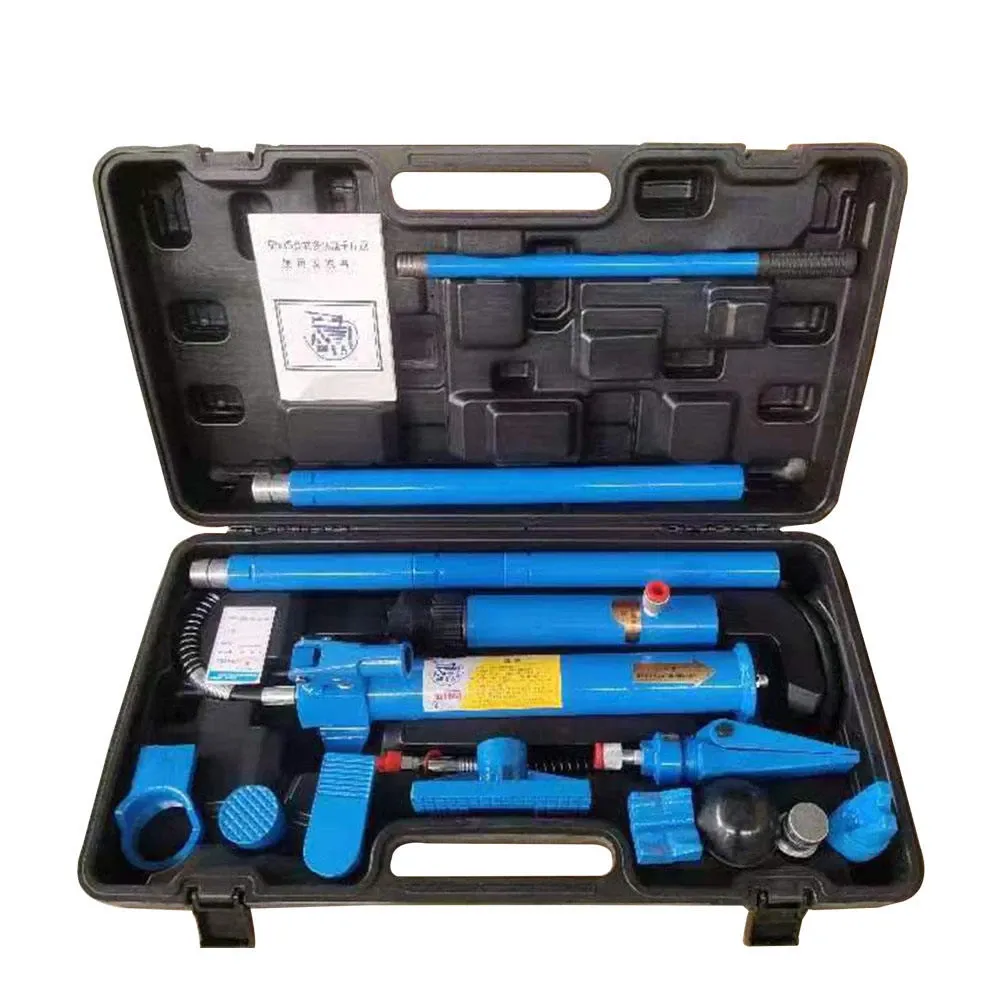
Car jacks are essential lifting devices utilized in automotive maintenance and repair, enabling vehicle access for tasks such as tire changes, brake servicing, and undercarriage inspections. Their cost varies significantly, dependent upon lifting capacity, mechanism type (mechanical, hydraulic, pneumatic), build materials, and brand reputation. This technical guide will provide an in-depth analysis of car jack construction, materials science, performance characteristics, common failure modes, and relevant industry standards. Understanding these factors is critical for procurement professionals and automotive technicians alike, optimizing lifecycle cost and ensuring operational safety. The core pain point in the industry lies in balancing initial acquisition cost with long-term reliability and safety, avoiding premature failure and potential liability. Cost considerations also extend beyond the jack itself, encompassing pump requirements (for hydraulic models) and the associated maintenance schedule.
Material Science & Manufacturing
The manufacturing of car jacks necessitates a diverse range of materials selected for strength, durability, and cost-effectiveness. Mechanical jacks commonly employ carbon steel for the lifting screw and support structures. The steel’s tensile strength (typically 400-600 MPa depending on alloy composition) dictates load-bearing capacity. Manufacturing involves hot forging to shape the components followed by machining for precision tolerances. Hydraulic jacks heavily rely on high-strength alloy steels (e.g., 4140) for the cylinder body and piston rod, requiring induction hardening to achieve surface hardness exceeding 55 HRC, enhancing resistance to wear and scoring. Seals are typically constructed from nitrile rubber (Buna-N) or Viton, chosen for their oil resistance and elasticity. Pneumatic jacks utilize aluminum alloys for lightweight components, emphasizing corrosion resistance through anodization. Manufacturing processes include die-casting for complex shapes and TIG welding for structural integrity. Critical parameter control during welding includes maintaining interpass temperature below 150°C to prevent distortion and ensuring complete penetration to avoid weld defects. Material compatibility between hydraulic fluid (typically mineral oil-based) and seal materials is paramount; incompatibility leads to swelling, degradation, and fluid leakage. Quality control relies heavily on non-destructive testing (NDT) methods like ultrasonic testing to identify internal flaws in critical components.
Performance & Engineering
Car jack performance is fundamentally governed by force analysis and stress distribution. Mechanical jacks rely on the principle of the screw, where a small input force applied over a large distance translates into a large output force over a short distance. The mechanical advantage is directly proportional to the pitch of the screw. Hydraulic jacks leverage Pascal’s principle, utilizing a closed system filled with hydraulic fluid to transmit force. The lifting force is determined by the piston area and the hydraulic pressure. Engineering calculations must account for safety factors (typically 3:1 to 5:1) to prevent structural failure under maximum load. Environmental resistance is crucial, particularly corrosion protection. Powder coating and galvanization are commonly employed to protect steel components from rust. Stability is also paramount; the jack’s base must have sufficient footprint area to prevent tipping. Compliance requirements vary by region, including adherence to ASME B30.1 standards for lifting devices in North America and CE marking for products sold in the European Union. Finite Element Analysis (FEA) is frequently used in the design phase to optimize structural integrity and minimize weight, simulating stress distribution under various load conditions. The selection of hydraulic fluid viscosity impacts operational efficiency; lower viscosity fluids reduce internal friction but may compromise sealing performance.
Technical Specifications
| Parameter | Mechanical Jack (2 Ton) | Hydraulic Bottle Jack (2 Ton) | Hydraulic Floor Jack (2 Ton) | Pneumatic Jack (2 Ton) |
|---|---|---|---|---|
| Lifting Capacity | 2000 kg (4400 lbs) | 2000 kg (4400 lbs) | 2000 kg (4400 lbs) | 2000 kg (4400 lbs) |
| Minimum Lifting Height | 150 mm (5.9 inches) | 85 mm (3.3 inches) | 75 mm (3.0 inches) | 140 mm (5.5 inches) |
| Maximum Lifting Height | 380 mm (15.0 inches) | 330 mm (13.0 inches) | 460 mm (18.1 inches) | 360 mm (14.2 inches) |
| Operating Pressure | N/A | 690 kPa (100 psi) | 690 kPa (100 psi) | 620 kPa (90 psi) |
| Weight | 8 kg (17.6 lbs) | 6 kg (13.2 lbs) | 28 kg (61.7 lbs) | 15 kg (33 lbs) |
| Material (Cylinder) | Carbon Steel | Alloy Steel | Alloy Steel | Aluminum Alloy |
Failure Mode & Maintenance
Car jacks are susceptible to several failure modes. Mechanical jacks often experience thread stripping in the lifting screw due to overload or corrosion. Hydraulic jacks can fail due to seal degradation, leading to fluid leakage and loss of pressure. Cylinder wall scoring due to contamination in the hydraulic fluid is also common. Pneumatic jacks are prone to air line leaks and regulator malfunctions. Corrosion, particularly in coastal environments, accelerates the degradation of all jack types. Fatigue cracking in welded structures is a critical concern, requiring regular visual inspections. Maintenance procedures include regular lubrication of moving parts (mechanical jacks), fluid level checks and replacement (hydraulic jacks), and air line inspection and filter replacement (pneumatic jacks). Preventative maintenance should also include cleaning the jack to remove dirt and debris. Failure analysis should involve visual inspection for cracks or deformations, hydraulic pressure testing, and seal integrity checks. Replacing worn seals and lubricating moving parts proactively can significantly extend the jack’s lifespan. Always adhere to the manufacturer’s recommended maintenance schedule. Improper usage, such as exceeding the rated load capacity or using the jack on uneven surfaces, significantly increases the risk of failure.
Industry FAQ
Q: What is the typical lifespan of a hydraulic floor jack under moderate commercial use?
A: Under moderate commercial use (e.g., a small auto repair shop), a well-maintained hydraulic floor jack typically has a lifespan of 5-7 years. However, this is heavily dependent on usage frequency, load cycles, and adherence to the maintenance schedule. Heavy use or neglected maintenance can reduce the lifespan to 2-3 years, while infrequent, careful use could extend it to 10 years or more.
Q: How does the grade of hydraulic fluid affect jack performance and longevity?
A: The grade of hydraulic fluid significantly impacts performance. Using the manufacturer-recommended fluid viscosity is crucial. Too high a viscosity increases internal friction, reducing lifting speed and efficiency. Too low a viscosity can compromise sealing and lead to leakage. Synthetic hydraulic fluids offer superior thermal stability and oxidation resistance compared to mineral oil-based fluids, extending the fluid's service life and improving jack performance in extreme temperatures.
Q: What are the key indicators that a mechanical jack's lifting screw is nearing failure?
A: Key indicators include increased difficulty in rotating the screw, noticeable binding or jamming, visible thread damage or stripping, and deformation of the screw head. Any unusual noise during operation should also be investigated. Continuing to use a damaged screw can lead to catastrophic failure and potential injury.
Q: What safety precautions should be taken when using a pneumatic jack?
A: Always ensure the air hose is securely connected and free from leaks. Use a regulator to maintain the correct operating pressure. Never work under a vehicle supported only by a pneumatic jack; always use jack stands as secondary support. Wear appropriate personal protective equipment (PPE), including safety glasses, to protect against flying debris.
Q: What is the significance of the ASME B30.1 standard for car jacks?
A: ASME B30.1 provides safety requirements for slings, hoists, and other lifting devices, including car jacks. Adherence to this standard ensures the jack has been designed, manufactured, and tested to meet minimum safety criteria. Compliance with B30.1 is often legally required in commercial settings and demonstrates a commitment to workplace safety.
Conclusion
The selection of a car jack requires careful consideration of lifting capacity, operating environment, and intended application. Mechanical jacks offer simplicity and cost-effectiveness for infrequent use, while hydraulic jacks provide superior lifting power and ease of operation. Pneumatic jacks excel in speed and convenience, but necessitate a compressed air supply. Understanding the material science behind jack construction—particularly the properties of steel alloys, seals, and hydraulic fluids—is critical for predicting performance and lifespan.
Proactive maintenance, including regular inspections, lubrication, and fluid replacement, is essential for preventing premature failure and ensuring operational safety. Adherence to relevant industry standards, such as ASME B30.1, provides a baseline for quality and safety. Ultimately, a well-informed procurement decision, coupled with diligent maintenance practices, will maximize the return on investment and minimize the risk of accidents associated with vehicle lifting procedures.
