Introduction
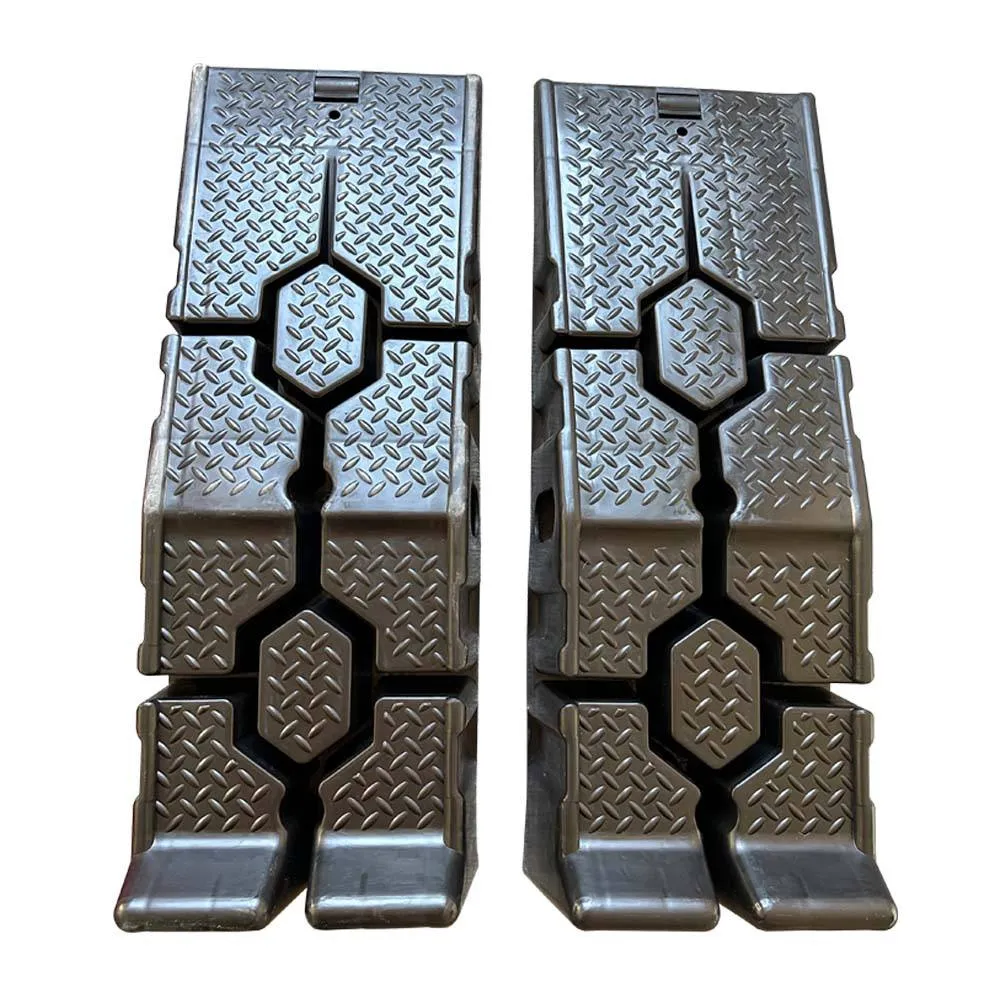
The car jack lift is a critical component in automotive maintenance and repair, functioning as a mechanical device utilized to lift vehicles to facilitate access for tire changes, undercarriage repairs, and general servicing. Positioned within the automotive aftermarket supply chain, its performance directly impacts workshop efficiency and operator safety. Modern car jack lifts range from basic mechanical scissor jacks to sophisticated hydraulic floor jacks and bottle jacks, each employing distinct principles of operation. Core performance characteristics include lifting capacity (tonnage), minimum and maximum lifting heights, and operational speed and stability. A key industry pain point centers around balancing affordability with durability and ensuring adherence to stringent safety regulations, particularly regarding load testing and structural integrity. The increasing weight of modern vehicles, especially SUVs and trucks, necessitates jack lifts with higher capacity and robust construction.
Material Science & Manufacturing
The majority of car jack lifts utilize steel as the primary construction material due to its high tensile strength, yield strength, and cost-effectiveness. Specific steel alloys employed vary based on component function. High-strength low-alloy steels (HSLA) are common for critical structural elements like the lifting arm and base, offering an optimal balance of strength and weldability. Hydraulic components, including cylinders and pistons, are typically manufactured from carbon steel with a hardened chrome-plated finish to resist corrosion and wear. Sealing elements within the hydraulic system utilize nitrile butadiene rubber (NBR) or Viton fluoroelastomer for compatibility with hydraulic fluid and resistance to degradation. Manufacturing processes vary by jack type. Scissor jacks rely on stamping and forming of steel sheets, followed by assembly with rivets or bolts. Hydraulic jacks involve precision machining of cylinders and pistons, coupled with welding of structural components. Critical parameter control includes maintaining tight tolerances on cylinder bore diameter, piston surface finish, and weld quality to ensure efficient hydraulic operation and prevent leaks. Heat treatment processes, such as quenching and tempering, are crucial for achieving desired mechanical properties in steel components. Quality control relies heavily on non-destructive testing (NDT) methods like ultrasonic testing and magnetic particle inspection to detect internal flaws in welded joints and critical stress areas.
Performance & Engineering
Car jack lift performance is governed by fundamental principles of mechanical engineering, including force analysis, stress concentration, and material deformation. The lifting mechanism's mechanical advantage dictates the force required from the operator to lift a given load. Hydraulic jacks leverage Pascal's principle, amplifying force through a closed hydraulic system. Stability is paramount; a low center of gravity and a wide base are essential to prevent tipping during operation. Force analysis involves calculating shear stress and bending moment within the lifting arm and base, ensuring they remain within the material's yield strength. Environmental resistance is a critical consideration. Exposure to moisture, salt, and road debris can induce corrosion. Protective coatings, such as powder coating or zinc plating, are employed to mitigate corrosion. Compliance requirements vary by region. In the United States, ASME B30.1 provides safety standards for lifts and hoisting equipment. European standards EN 1494:2006+A1:2008 and EN 13155 provide guidance on design, manufacturing, and testing of hydraulic jacks. Functional implementation involves incorporating safety features like overload protection valves (in hydraulic jacks) and locking mechanisms (in mechanical jacks) to prevent accidental lowering or collapse.
Technical Specifications
| Parameter | Hydraulic Floor Jack (2 Ton) | Bottle Jack (3 Ton) | Scissor Jack (1.5 Ton) | Hydraulic Floor Jack (3 Ton - Heavy Duty) |
|---|---|---|---|---|
| Lifting Capacity | 2000 kg (4400 lbs) | 3000 kg (6600 lbs) | 1500 kg (3300 lbs) | 3000 kg (6600 lbs) |
| Minimum Lifting Height | 75 mm (3 inches) | 85 mm (3.3 inches) | 110 mm (4.3 inches) | 70 mm (2.8 inches) |
| Maximum Lifting Height | 380 mm (15 inches) | 460 mm (18 inches) | 330 mm (13 inches) | 530 mm (21 inches) |
| Pump Type | Rapid Pump | Single Piston | Screw Mechanism | Rapid Pump - High Volume |
| Handle Length | 680 mm (27 inches) | N/A | 350 mm (14 inches) | 850 mm (33.5 inches) |
| Weight | 32 kg (70 lbs) | 15 kg (33 lbs) | 5 kg (11 lbs) | 45 kg (99 lbs) |
Failure Mode & Maintenance
Car jack lifts are susceptible to several failure modes. Hydraulic jacks can experience seal failure leading to fluid leaks and gradual loss of lifting capacity. This is often exacerbated by contamination of the hydraulic fluid. Mechanical jacks, particularly scissor jacks, are prone to fatigue cracking at weld points or stress concentrations, especially under repeated loading. Corrosion is a common failure mode in all jack types, particularly in environments with high humidity or salt exposure. Failure analysis reveals that improper usage, such as exceeding the rated capacity or operating on uneven surfaces, significantly accelerates component degradation. Maintenance practices include regular inspection for leaks, corrosion, and structural damage. Hydraulic fluid should be replaced periodically (typically every 1-2 years) to prevent buildup of contaminants and maintain optimal performance. Lubrication of moving parts, such as pivot points and screw threads, is essential. For scissor jacks, inspection of welds and rivet connections is critical. Proper storage in a clean, dry environment is crucial to prevent corrosion. If a jack exhibits any signs of structural damage or operational instability, it should be immediately removed from service and repaired or replaced.
Industry FAQ
Q: What is the significance of the ‘tonnage’ rating on a car jack lift, and how do I ensure I select the correct capacity for my needs?
A: The tonnage rating indicates the maximum weight the jack can safely lift. Selecting the correct capacity is critical; always choose a jack with a rating exceeding the vehicle's weight (including any added load, such as passengers or cargo). Underestimation can lead to jack failure and potential injury. Consult the vehicle's owner’s manual for its gross vehicle weight rating (GVWR).
Q: What are the key differences between hydraulic floor jacks and bottle jacks, and which is better suited for specific applications?
A: Hydraulic floor jacks offer a lower profile and a longer reach, making them ideal for lifting vehicles with limited ground clearance. They typically have a faster pumping speed and are easier to maneuver. Bottle jacks are more compact and generally have a higher lifting capacity for their size, making them suitable for lifting heavier vehicles or when space is constrained. However, bottle jacks often require more pumping effort and have a shorter lifting range.
Q: What preventative measures can be taken to extend the lifespan of a hydraulic car jack?
A: Regularly check for leaks and promptly address any found. Maintain the hydraulic fluid level and replace it according to the manufacturer's recommendations. Keep the jack clean and free from dirt and debris. Avoid exceeding the rated capacity and always operate on a level, stable surface. Store the jack in a dry environment to prevent corrosion.
Q: Are there specific safety features I should look for when purchasing a car jack lift?
A: Look for features like overload protection valves (in hydraulic jacks) which prevent the jack from lifting beyond its rated capacity. A sturdy locking mechanism is vital for securing the load once it's raised. A wide base and low center of gravity enhance stability. Certification to relevant safety standards (e.g., ASME) is also a good indicator of quality and safety.
Q: How often should a car jack lift be inspected for wear and tear, and what specific components should be examined?
A: A thorough inspection should be conducted at least annually, or more frequently if the jack is used heavily. Examine the hydraulic system for leaks, the lifting arm and base for cracks or deformation, the pump mechanism for smooth operation, and the safety locking mechanism for proper engagement. Check all welds for signs of fatigue or corrosion.
Conclusion
The car jack lift, while seemingly simple, is a complex piece of equipment reliant on precise engineering, material selection, and adherence to safety standards. Understanding the principles of operation, potential failure modes, and proper maintenance procedures is crucial for ensuring safe and reliable vehicle lifting. The industry continues to evolve, with a focus on increasing lifting capacities, improving stability, and incorporating advanced safety features.
Ultimately, selecting the appropriate car jack lift requires careful consideration of the vehicle’s weight, the intended application, and adherence to relevant safety regulations. Proactive maintenance and regular inspections are paramount to maximizing the lifespan of the equipment and preventing potentially hazardous situations. Future developments will likely focus on lighter-weight materials and intelligent systems that monitor load and stability in real-time.
