Introduction
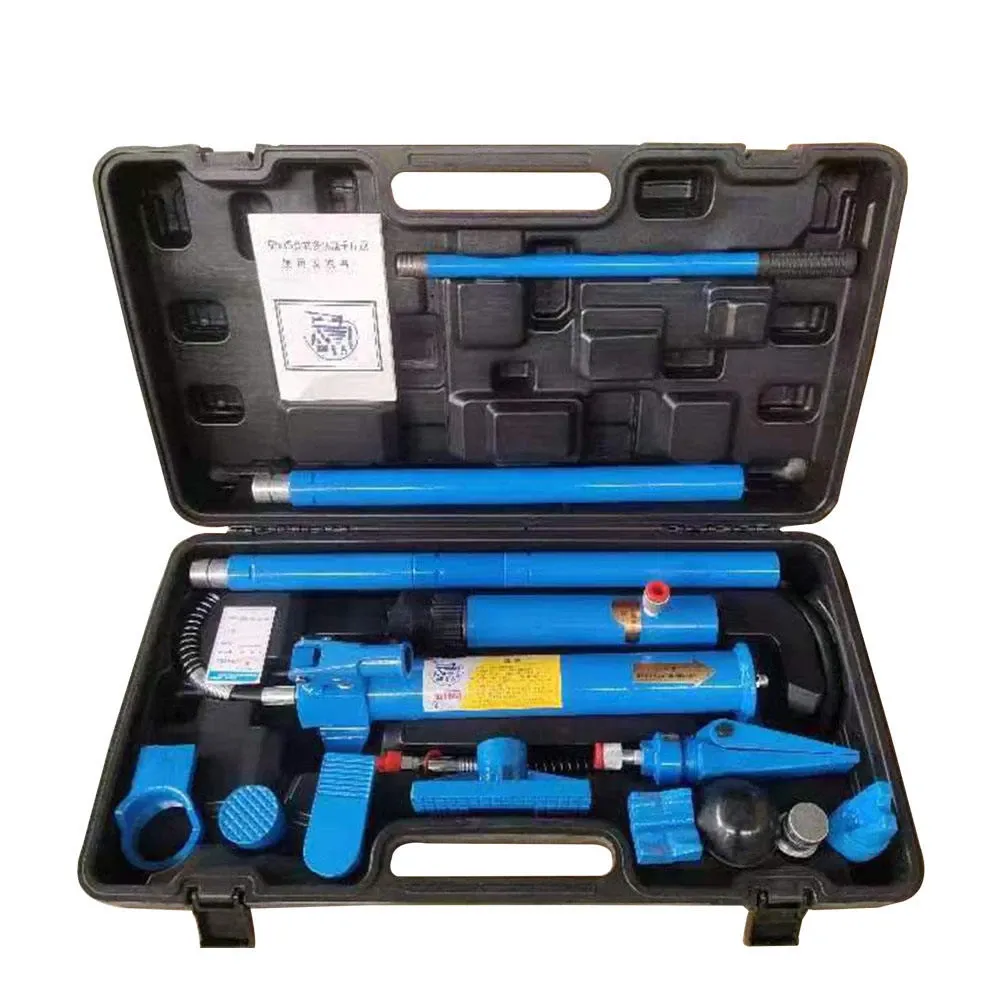
The hydraulic floor jack, frequently supplied within a robust carrying case, represents a critical component in automotive maintenance and repair. Positioned within the automotive aftermarket supply chain, it functions as an essential tool for vehicle lifting, enabling access to undercarriage components for inspection, servicing, and tire replacement. Its core performance characteristics center on lifting capacity, lift range, stability under load, and operational safety. Modern hydraulic jacks, beyond basic lifting functionality, increasingly incorporate features such as rapid lift capabilities, overload protection valves, and durable construction materials to address user demands for efficiency, reliability, and longevity. The case serves not only for portability but also for protection against environmental factors and physical damage, extending the service life of the jack. This guide provides an in-depth technical analysis of car jacks with cases, covering material science, manufacturing processes, performance engineering, failure modes, and relevant industry standards.
Material Science & Manufacturing
The primary material for the jack’s structural components, particularly the lifting arm and base, is typically carbon steel, specifically AISI 1045 or equivalent. This grade offers a balance of strength, ductility, and weldability. The hydraulic cylinder utilizes a high-strength steel alloy, often alloy steel 4140, chosen for its resistance to high internal pressures and wear. The piston and piston rod are frequently constructed from case-hardened steel to provide a hard, wear-resistant surface while maintaining a tough core. Seals within the hydraulic system are commonly manufactured from Nitrile Butadiene Rubber (NBR) or Viton (Fluorocarbon rubber), selected for their compatibility with hydraulic fluid and resistance to degradation. The case is generally constructed from polypropylene (PP) or High-Density Polyethylene (HDPE) due to their impact resistance, chemical inertness, and cost-effectiveness.
Manufacturing involves several key processes. Steel components undergo forging or casting, followed by machining to precise tolerances. Welding, typically shielded metal arc welding (SMAW) or gas metal arc welding (GMAW), joins structural elements. The hydraulic cylinder is manufactured through honing and polishing to achieve a smooth internal surface finish, minimizing friction and ensuring seal integrity. The hydraulic fluid, typically a mineral oil-based formulation, is filled and sealed under controlled conditions to prevent air ingress. Case manufacturing employs injection molding, where molten plastic is injected into a mold cavity, rapidly cooled, and ejected. Quality control throughout all stages is paramount, including non-destructive testing (NDT) methods like ultrasonic testing for weld integrity and pressure testing for the hydraulic system. Key parameter control includes maintaining consistent steel heat treatment profiles for optimal hardness, precise machining tolerances for proper fit and function, and accurate filling volumes of hydraulic fluid.
Performance & Engineering
The fundamental principle behind a hydraulic jack is Pascal’s Law: pressure applied to a confined fluid is transmitted equally in all directions. Force analysis centers on the relationship between the force applied to the pump handle, the area of the pump piston, and the resulting force exerted on the lifting piston. Stability is a critical engineering consideration. The jack’s base must provide a sufficient footprint to prevent tipping under maximum load. The lifting arm’s geometry significantly impacts stability; a longer arm generally provides greater stability but reduces lifting height. Environmental resistance is addressed through surface treatments like powder coating to protect steel components from corrosion. Temperature fluctuations can affect hydraulic fluid viscosity, impacting performance. Lower temperatures increase viscosity, potentially slowing lift speed, while higher temperatures decrease viscosity, potentially leading to reduced efficiency. Compliance requirements include adherence to ASME B30.1 standards for mobile hydraulic lifts, ensuring safe operation and preventing catastrophic failures. Functional implementation involves a lever-actuated pump that forces hydraulic fluid from a reservoir into the cylinder, raising the lifting piston. A release valve controls the flow of fluid back to the reservoir, lowering the piston.
Technical Specifications
| Parameter | Unit | Typical Value (2-Ton Jack) | Typical Value (3-Ton Jack) |
|---|---|---|---|
| Lifting Capacity | Ton | 2 | 3 |
| Minimum Lifting Height | in (mm) | 3.5 (89) | 3.7 (94) |
| Maximum Lifting Height | in (mm) | 15.7 (399) | 21.3 (541) |
| Base Width | in (mm) | 7.5 (190) | 8.3 (211) |
| Handle Length | in (mm) | 18.5 (470) | 18.5 (470) |
| Net Weight | lbs (kg) | 33 (15) | 44 (20) |
Failure Mode & Maintenance
Common failure modes in hydraulic jacks include seal degradation, leading to hydraulic fluid leakage and reduced lifting capacity. This is often accelerated by exposure to extreme temperatures or incompatible fluids. Fatigue cracking can occur in the lifting arm or base due to repeated stress cycles, particularly if the jack is consistently overloaded. Corrosion, especially in environments with high humidity or salt exposure, weakens steel components. Air ingress into the hydraulic system causes spongy operation and reduced efficiency. Delamination of the case, particularly in plastic cases subjected to impact damage, compromises protection. Oxidation of hydraulic fluid leads to sludge formation and reduced lubricating properties.
Preventative maintenance is crucial. Regularly inspect seals for leaks and replace them as needed. Keep the hydraulic fluid clean and at the proper level, using the manufacturer's recommended fluid type. Lubricate all moving parts, including the pump piston and lifting arm pivot points. Protect steel components from corrosion with a protective coating. Avoid overloading the jack and ensure it is used on a level, stable surface. Store the jack in a dry environment, away from direct sunlight. If a jack is subjected to a significant load or impact, it should be inspected for structural damage before reuse. Repair should only be undertaken by qualified personnel, using appropriate replacement parts.
Industry FAQ
Q: What is the expected service life of a typical hydraulic jack?
A: The service life is heavily dependent on usage frequency, load conditions, and maintenance. With proper maintenance and adherence to load limits, a well-constructed hydraulic jack can typically last 5-10 years in a professional automotive shop. For occasional home use, the service life can be considerably longer.
Q: How does hydraulic fluid type impact jack performance?
A: Using the wrong hydraulic fluid can significantly degrade performance and cause damage. Mineral oil-based fluids are standard, but synthetic fluids offer improved temperature stability and lubricity. Avoid using brake fluid or other incompatible fluids, as they can damage seals and corrode internal components.
Q: What safety features are critical in a hydraulic jack?
A: Overload protection valves prevent lifting loads exceeding the jack’s capacity. A stable base and low center of gravity are essential to prevent tipping. A controlled descent mechanism is crucial for safe lowering of the load. Regular inspection of all components for damage is paramount.
Q: What are the common causes of hydraulic jack failure under load?
A: Common causes include exceeding the rated load capacity, internal seal failure leading to pressure loss, fatigue cracking in structural components due to repeated stress, and corrosion weakening the jack’s structure. Improper usage on uneven surfaces is also a contributing factor.
Q: What is the role of the carrying case in extending the jack's life?
A: The carrying case provides physical protection against impacts, abrasions, and environmental elements such as dust, moisture, and temperature fluctuations. This protection prevents damage to the jack's components, minimizing the risk of corrosion and premature wear, and ultimately prolonging its service life.
Conclusion
Hydraulic floor jacks with cases are vital tools demanding careful consideration of material science, manufacturing precision, and adherence to engineering principles. Understanding the relationship between load capacity, lift range, stability, and environmental resistance is crucial for selecting the appropriate jack for a given application. Regular maintenance, including seal inspection, fluid management, and corrosion protection, is essential to maximize service life and ensure safe operation.
Future development trends in hydraulic jack technology may focus on incorporating lightweight materials such as aluminum alloys, enhancing safety features with advanced sensor systems, and improving hydraulic fluid formulations for enhanced performance and environmental sustainability. Ultimately, the continued reliability and safety of these tools depend on a commitment to rigorous quality control, adherence to industry standards, and ongoing innovation in design and materials.
