Introduction
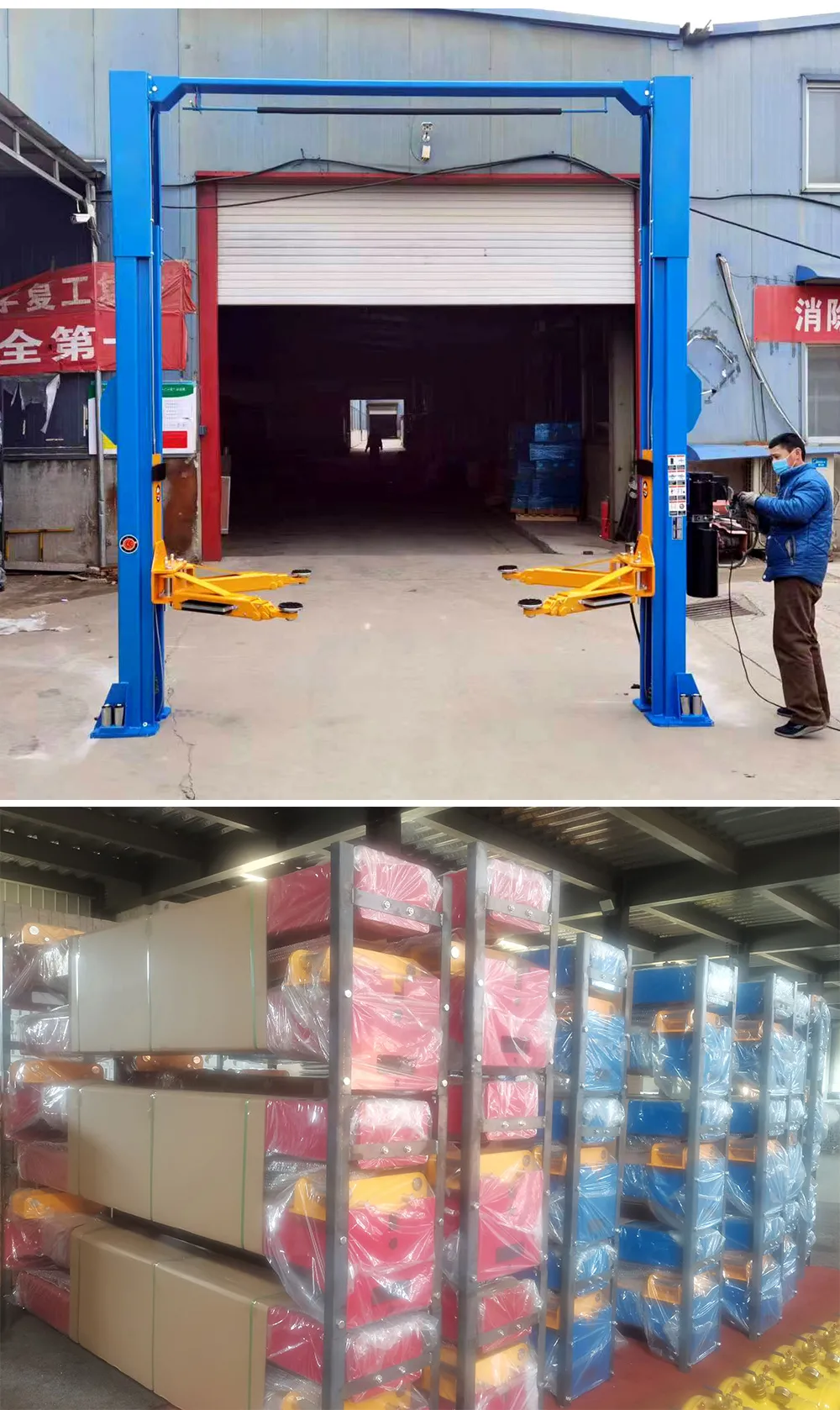
Car jacks represent a critical component within the automotive maintenance and repair industry, functioning as essential lifting devices for vehicle access. These tools, available for sale across diverse channels, facilitate routine maintenance, tire changes, and more complex repairs. The industry positions car jacks within a broad spectrum of vehicle service equipment, alongside tools like stands, creepers, and impact wrenches. Core performance characteristics are defined by lifting capacity, minimum and maximum lift height, stability under load, and operational safety features. The market is segmented by jack type – mechanical, hydraulic, pneumatic, and electric – each offering distinct advantages based on application and budget. A key industry pain point revolves around ensuring both operator safety and the structural integrity of the jack itself, given the significant forces involved and potential for catastrophic failure if standards aren't met.
Material Science & Manufacturing
The construction of car jacks relies heavily on robust material science principles. Mechanical jacks frequently utilize high-strength carbon steel (typically AISI 1045 or equivalent) for the threaded screw and lifting mechanism, chosen for its tensile strength and wear resistance. Hydraulic jacks predominantly employ high-yield steel alloys (such as 4140 or similar) for the cylinder body and pump components to withstand the immense hydraulic pressures generated. Seal materials are critical, often comprised of nitrile butadiene rubber (NBR) or hydrogenated nitrile butadiene rubber (HNBR) for their resistance to hydraulic fluids and temperature variations. Manufacturing processes vary by jack type. Mechanical jacks involve machining, forging, and thread rolling. Hydraulic jacks require precision casting (often sand casting or investment casting for complex geometries), welding, and meticulous hydraulic component assembly. Critical parameter control includes heat treatment of steel components to achieve desired hardness and ductility, precise dimensional tolerances during machining to ensure smooth operation, and stringent leak testing of hydraulic systems. Pneumatic jacks utilize aluminum alloys for lightweight construction, with manufacturing focusing on airtight seals and robust valve operation. Electrically powered jacks integrate electric motor assembly and gear train manufacturing, requiring precise alignment and insulation considerations.
Performance & Engineering
Car jack performance is fundamentally governed by principles of statics and mechanics. Force analysis is paramount, calculating the stress distribution within critical components like the lifting arm, saddle, and hydraulic cylinder under maximum load. The stability of the jack is directly related to its base dimensions and center of gravity; a wider base and lower center of gravity enhance stability, reducing the risk of tipping. Environmental resistance is a key consideration. Corrosion prevention strategies, including protective coatings (e.g., zinc plating, powder coating), are essential, particularly for jacks exposed to moisture or corrosive environments. Compliance requirements are stringent. Car jacks must adhere to safety standards like ASME PALD-2014 (Pressure Vessel and Lifting Device Safety Standard) in the US and EN 1494:2000+A1:2008 (Lifting equipment – Hydraulic jacks) in Europe. Functional implementation details vary; hydraulic jacks rely on Pascal’s Law to amplify force, while mechanical jacks utilize mechanical advantage through screw threads or linkage systems. Finite element analysis (FEA) is often employed during the design phase to optimize component geometry and identify potential failure points.
Technical Specifications
| Capacity (tons) | Minimum Lift Height (inches) | Maximum Lift Height (inches) | Type of Jack |
|---|---|---|---|
| 2 | 3.7 | 15.7 | Hydraulic Floor Jack |
| 3 | 3.5 | 22.6 | Hydraulic Floor Jack |
| 5 | 5.1 | 24.8 | Hydraulic Floor Jack |
| 2 | 3.3 | 12.6 | Scissor Jack (Mechanical) |
| 3 | 4.0 | 18.1 | Bottle Jack (Hydraulic) |
| 1.5 | 2.5 | 10.2 | Emergency Car Jack |
Failure Mode & Maintenance
Car jacks are susceptible to several failure modes. Hydraulic jacks can experience seal failure, leading to gradual loss of lifting capacity and potential fluid leakage. Fatigue cracking can occur in the lifting arm or saddle due to repeated stress cycles, particularly when exceeding the rated capacity. Mechanical jacks are prone to thread stripping in the screw mechanism if overloaded or improperly lubricated. Corrosion can degrade the structural integrity of steel components over time, particularly in marine or industrial environments. Delamination can occur in composite materials (if used in saddle construction) due to impact damage or UV exposure. Failure analysis often reveals root causes related to inadequate lubrication, exceeding load limits, improper usage, or material defects. Preventative maintenance is crucial. Regularly check hydraulic fluid levels and inspect seals for leaks. Lubricate mechanical jacks with appropriate grease. Inspect for signs of corrosion, cracking, or deformation. Avoid exceeding the rated capacity. Properly store the jack in a clean, dry environment. Annual professional inspection is recommended for high-usage jacks. Replacement of worn seals, lubrication, and visual inspection for cracks are standard maintenance procedures.
Industry FAQ
Q: What is the significance of the ASME PALD-2014 standard for hydraulic jacks?
A: The ASME PALD-2014 standard dictates rigorous safety requirements for the design, manufacturing, and testing of pressure vessels and lifting devices, including hydraulic jacks. Compliance ensures the jack can withstand specified loads and pressures without catastrophic failure, protecting operators from potential injuries. It covers aspects like material specifications, weld quality, pressure testing, and stability assessments.
Q: How does the type of hydraulic fluid affect the lifespan of a hydraulic jack?
A: The hydraulic fluid is critical. Using an incompatible fluid (e.g., brake fluid instead of hydraulic jack oil) can cause seal swelling, corrosion, and internal damage. The fluid's viscosity and thermal stability also play a role. Low viscosity fluids may leak more easily, while fluids with poor thermal stability can degrade at high temperatures, reducing performance.
Q: What are the limitations of scissor jacks compared to hydraulic floor jacks?
A: Scissor jacks are generally slower to operate and require more physical effort. They typically have a lower lifting capacity and a shorter lift range compared to hydraulic floor jacks. While compact and affordable, they are less stable and less suitable for frequent or heavy-duty use.
Q: How does the material of the jack saddle impact its performance and durability?
A: The jack saddle material needs to withstand concentrated loads without deformation or cracking. High-strength steel is common, but some saddles utilize reinforced polymers. A durable saddle prevents slippage and protects the vehicle's jacking points from damage. The saddle should also resist corrosion and abrasion.
Q: What safety precautions should be taken when using a car jack?
A: Always use jack stands in conjunction with a car jack to support the vehicle once it's lifted. Never work under a vehicle supported only by a jack. Park on a level surface and engage the parking brake. Consult the vehicle's owner's manual for designated jacking points. Avoid exceeding the jack’s rated capacity. Ensure the jack is stable before beginning any work.
Conclusion
Car jacks, as indispensable tools within the automotive maintenance landscape, necessitate a deep understanding of material science, engineering principles, and stringent safety regulations. The selection of appropriate materials, coupled with precise manufacturing processes, directly influences a jack's lifting capacity, stability, and longevity. A proactive approach to preventative maintenance, including regular inspections and lubrication, is paramount for preventing failures and ensuring operator safety.
The continued evolution of car jack technology focuses on enhancing safety features, increasing lifting capacities, and incorporating lightweight materials. Future developments may include intelligent jacks with integrated sensors for load monitoring and automated safety shut-off mechanisms. Adherence to established industry standards such as ASME PALD-2014 and EN 1494 remains crucial for ensuring the reliability and safety of these essential tools.
