
Introduction
Drywall panel hoists are mechanical lifting devices utilized in the construction industry to vertically transport drywall sheets, plywood, and other large, flat building materials to elevated work surfaces. Positioned within the building materials handling supply chain, they serve as a critical link between material delivery and installation. These hoists address the ergonomic challenges and safety concerns associated with manually lifting heavy panels, significantly improving worker efficiency and reducing the risk of musculoskeletal injuries. Core performance characteristics include lifting capacity, maximum lift height, power source (electric or pneumatic), and safety features such as overload protection and controlled descent mechanisms. The industry faces continuous pressure to enhance lifting speeds, improve maneuverability in confined spaces, and integrate smart features for predictive maintenance.
Material Science & Manufacturing
The primary materials employed in drywall panel hoist construction are carbon steel (typically ASTM A36 for structural components), high-strength alloy steels (such as 4140 for critical lifting hooks and winch components), and engineered polymers. Carbon steel provides a cost-effective balance of strength and weldability, enabling the fabrication of robust frames and lifting mechanisms. Alloy steels are heat-treated to achieve superior tensile strength and fatigue resistance, crucial for load-bearing elements. Polymers, like high-density polyethylene (HDPE) or polyurethane, are used for rollers and cable guides to reduce friction and protect drywall surfaces from damage.
Manufacturing processes involve several key stages. Steel components are typically formed through processes like plate rolling, laser cutting, and CNC machining. Welding, primarily shielded metal arc welding (SMAW) and gas metal arc welding (GMAW), joins fabricated sections. Winch mechanisms, often utilizing a wire rope drum system, require precise gear manufacturing (spur gears or worm gears) and assembly. Critical parameter control during welding includes maintaining appropriate heat input to prevent material distortion and ensuring weld integrity through non-destructive testing (NDT) methods like ultrasonic testing (UT) and magnetic particle inspection (MPI). Surface treatments such as powder coating or galvanization are applied to enhance corrosion resistance. Cable construction utilizes high-tensile steel wire, drawn and twisted to achieve the desired load capacity and flexibility. Regular quality control checks are essential throughout the process, focusing on weld quality, material hardness, and dimensional accuracy.
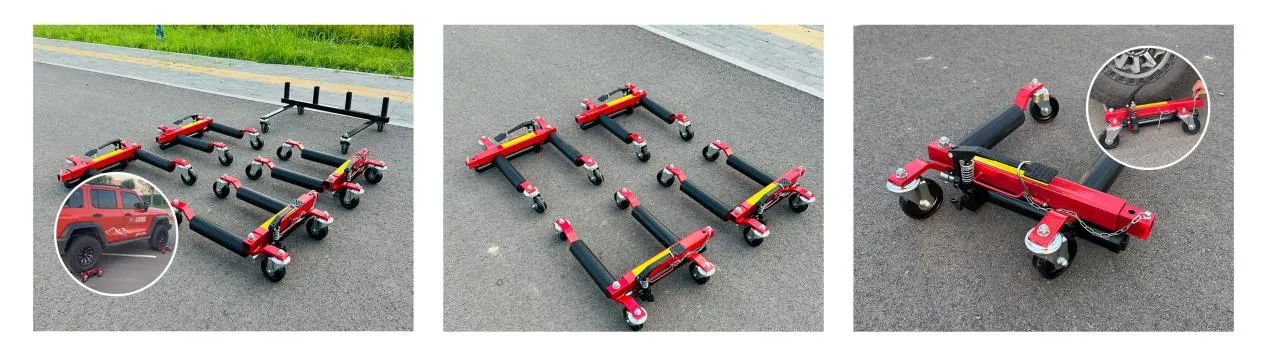
Performance & Engineering
Drywall panel hoist performance hinges on accurate force analysis and adherence to structural engineering principles. The lifting capacity is determined by the tensile strength of the wire rope, the structural integrity of the hoist frame, and the safety factor applied. A typical safety factor ranges from 3:1 to 5:1, ensuring the hoist can withstand loads exceeding the rated capacity. Environmental resistance is critical; hoists operating outdoors require robust protection against corrosion, UV degradation, and temperature extremes. Compliance requirements dictate adherence to OSHA regulations (specifically 29 CFR 1926 for construction safety) and industry standards like ANSI/ASSP A10.28. Functional implementation involves careful consideration of the hoist's center of gravity, load distribution, and stability under dynamic loading conditions. The winch system must provide smooth, controlled lifting and lowering, preventing sudden movements that could compromise safety. Braking systems – typically electrically or mechanically actuated – are essential for secure load holding and controlled descent. Furthermore, ensuring proper grounding to prevent electrical hazards is paramount for electrically powered hoists.
Technical Specifications
| Lifting Capacity (lbs) | Maximum Lift Height (ft) | Power Source | Wire Rope Diameter (in) |
|---|---|---|---|
| 200 | 20 | Electric (110V) | 1/8 |
| 300 | 30 | Electric (220V) | 3/16 |
| 500 | 40 | Pneumatic (80 PSI) | 1/4 |
| 800 | 50 | Electric (220V) | 5/16 |
| 1000 | 60 | Electric (220V/480V) | 3/8 |
| 1500 | 70 | Electric (480V) | 1/2 |
Failure Mode & Maintenance
Common failure modes for drywall panel hoists include wire rope fatigue cracking (due to repeated bending and tensile stresses), winch gear wear (resulting in reduced lifting efficiency), motor burnout (in electric hoists, often caused by overloading or inadequate ventilation), and structural failure of the hoist frame (typically due to corrosion or exceeding the load limit). Fatigue cracking in the wire rope is a particularly insidious failure mode, often initiating internally and propagating slowly. Delamination of polymer rollers can occur due to UV exposure and abrasion. Oxidation and corrosion of steel components are accelerated in humid environments. Failure analysis should prioritize identifying the root cause – whether mechanical stress, material degradation, or improper operation.
Preventative maintenance is crucial for extending hoist lifespan and ensuring safety. Regular inspections should include visual checks for wire rope damage (kinking, fraying, corrosion), lubrication of winch gears and moving parts, verification of brake functionality, and examination of the hoist frame for signs of corrosion or cracking. Wire rope should be replaced according to manufacturer’s recommendations or when significant wear is detected. Electric motors require periodic cleaning and inspection of electrical connections. Pneumatic systems need regular filter changes and air line checks for leaks. Detailed maintenance logs should be maintained, documenting all inspections, repairs, and component replacements. Annual load testing and certification by a qualified inspector are recommended to ensure continued compliance with safety standards.
Industry FAQ
Q: What is the recommended wire rope replacement interval for a 500lb capacity hoist used daily?
A: The wire rope replacement interval depends on usage severity and environmental conditions. However, as a general guideline, for daily use with a 500lb capacity hoist, we recommend a thorough inspection every 6 months and replacement every 12-18 months, or sooner if any signs of significant wear, corrosion, or damage are observed. Adherence to the wire rope manufacturer's specifications is paramount.
Q: How do I ensure proper grounding for an electric drywall panel hoist to prevent electrical hazards?
A: Proper grounding requires a dedicated ground wire connected to a known earth ground. Verify the hoist’s electrical cord is in good condition and equipped with a three-prong plug. Ensure the electrical outlet is also properly grounded and tested with a receptacle tester. Regularly inspect the ground connection for corrosion or looseness.
Q: What safety features are essential for a drywall panel hoist operating on a sloped roof?
A: Operating on a sloped roof necessitates additional safety measures. Utilize outriggers or stabilizers to prevent tipping. Implement a secondary safety cable or tie-off system as a backup load support. Ensure workers are properly harnessed and secured to a fall protection system. Reduce lifting speed to minimize sway and maintain greater control.
Q: What type of winch brake is most reliable for preventing load drop in a pneumatic hoist?
A: For pneumatic hoists, a spring-applied, air-release brake is generally considered the most reliable. This type of brake automatically engages when air pressure is lost, providing a fail-safe mechanism to prevent uncontrolled descent. Regular inspection and maintenance of the brake system are essential.
Q: What are the common causes of winch gear failure and how can it be prevented?
A: Common causes of winch gear failure include insufficient lubrication, overloading, and contamination by debris. Prevention involves regular lubrication with a high-quality gear oil, adhering to the hoist’s rated load capacity, and protecting the winch mechanism from dust and moisture. Periodic inspection for gear wear and tooth damage is also recommended.
Conclusion
Drywall panel hoists represent a vital component in modern construction practices, offering significant improvements in safety, efficiency, and ergonomics. Their performance and longevity are directly linked to material selection, manufacturing precision, and diligent maintenance practices. Understanding the underlying engineering principles governing load capacity, stability, and failure modes is crucial for ensuring safe and reliable operation.
Future developments in this sector will likely focus on integrating smart technologies, such as load monitoring sensors, predictive maintenance algorithms, and remote control capabilities. Further advancements in materials science, including the use of lightweight composites, could lead to lighter and more maneuverable hoist designs. Continued emphasis on operator training and adherence to industry safety standards will remain paramount for minimizing workplace hazards and maximizing the benefits of this essential construction equipment.
