Introduction
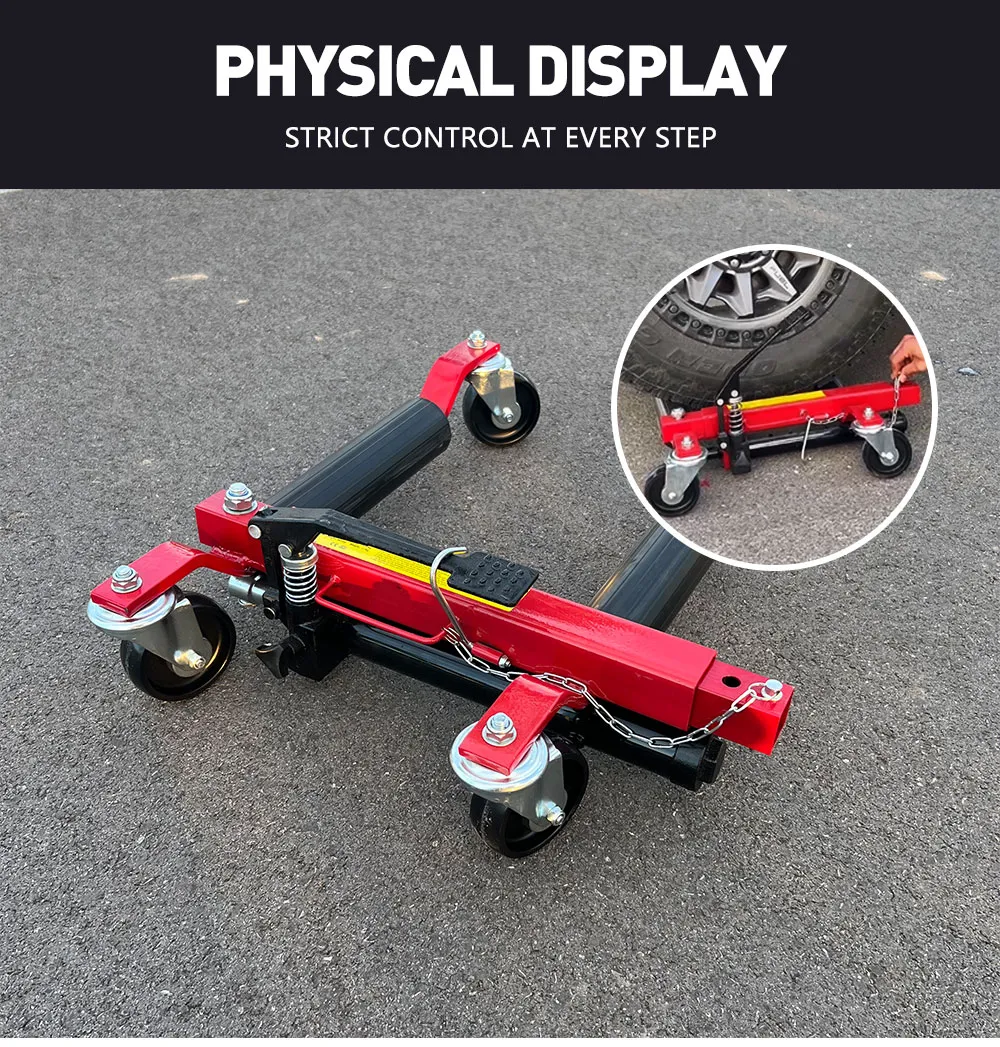
Floor jacks are hydraulic tools utilized for lifting heavy loads, primarily vehicles, to facilitate maintenance and repair. Positioned within the automotive and industrial equipment supply chain, their performance is critical for safety and operational efficiency. Modern floor jacks typically employ a hydraulic system leveraging Pascal's principle, coupled with a robust mechanical linkage for load transmission and height adjustment. Core performance metrics include lifting capacity (measured in tons or pounds), minimum and maximum lifting heights, saddle height range, and pump stroke count required per full lift. A significant industry pain point revolves around balancing lifting capacity with jack portability and stability, alongside ensuring long-term reliability under repeated stress cycles. Furthermore, adherence to safety standards like ASME and PALD is paramount, frequently presenting challenges for manufacturers seeking cost-effective solutions without compromising structural integrity.
Material Science & Manufacturing
The construction of a floor jack necessitates a diverse range of materials, each selected for specific properties. The hydraulic cylinder typically utilizes high-strength carbon steel (AISI 1045 or equivalent) due to its excellent machinability and tensile strength, requiring a smooth internal bore achieved through honing. Seals within the hydraulic system are commonly manufactured from nitrile rubber (Buna-N) for oil resistance or Viton for applications requiring higher temperature tolerance and chemical compatibility. The jack's frame and lifting arm are often constructed from structural steel (A36 or equivalent), chosen for its weldability and load-bearing capacity. Manufacturing processes involve precision welding techniques (SMAW, GMAW) to ensure robust joint integrity, followed by rigorous non-destructive testing (NDT) such as ultrasonic testing or radiographic inspection to detect internal flaws. The hydraulic pump components are often manufactured through investment casting for complex geometries and tight tolerances. Key parameter control includes maintaining precise oil viscosity (typically ISO VG 32 or 46) for optimal hydraulic performance, ensuring consistent weld penetration depth, and controlling the surface finish of critical components to minimize friction and wear. The saddle, which contacts the load, is frequently coated with polyurethane to prevent surface damage to the lifted object. Material traceability is crucial for quality control and failure analysis.
Performance & Engineering
Floor jack performance is fundamentally governed by principles of fluid mechanics and structural mechanics. Force analysis dictates that the output force is determined by the hydraulic pressure and the piston area (F = P A). The mechanical linkage (typically a four-bar linkage) amplifies this force, enabling the lifting of substantial loads. Environmental resistance is a key consideration; exposure to moisture and corrosive substances can lead to rust and degradation of steel components. Protective coatings (powder coating, zinc plating) are employed to mitigate corrosion. Compliance requirements include ASME B30.1 (Safety Standard for Material Handling Equipment), which specifies design factors, testing procedures, and labeling requirements. Functional implementation necessitates careful design of the release valve to ensure controlled lowering of the load, preventing sudden drops. Stability is enhanced through a wide base and a low center of gravity. Fatigue analysis is critical for the lifting arm and critical welds, predicting component life under cyclical loading. Finite Element Analysis (FEA) is routinely used to optimize the design for stress distribution and minimize weight while maintaining structural integrity. The hydraulic fluid’s thermal expansion and contraction also must be accounted for, especially in outdoor or high-temperature environments.
Technical Specifications
| Lifting Capacity (tons) | Minimum Lifting Height (in) | Maximum Lifting Height (in) | Pump Stroke Count (full lift) |
|---|---|---|---|
| 2 | 3.7 | 18.1 | 8 |
| 3 | 3.5 | 23.6 | 10 |
| 4 | 3.9 | 21.3 | 9 |
| 5 | 3.3 | 27.1 | 12 |
| 6 | 4.1 | 29.5 | 14 |
| 10 | 4.5 | 33.5 | 18 |
Failure Mode & Maintenance
Floor jack failure modes are diverse, stemming from both mechanical and hydraulic issues. Fatigue cracking in the lifting arm or frame is a common failure, often initiated at weld points due to stress concentrations. Hydraulic seal failure leads to pressure loss and inability to maintain lift, frequently caused by degradation of the rubber material from fluid contamination or excessive temperature. Internal cylinder corrosion can occur if moisture enters the hydraulic system. Delamination of the saddle coating can result in damage to lifted objects. Oxidation of metal components exposes them to environmental factors. A critical failure mode is the release valve malfunctioning, causing uncontrolled lowering. Maintenance protocols include regular visual inspection for cracks, corrosion, and leaks. Hydraulic fluid should be replaced annually, and the system bled to remove air bubbles. Lubrication of moving parts (hinge points, pivot pins) is essential to reduce friction and wear. Periodic torque checks on critical fasteners are necessary. Proper storage in a clean, dry environment prevents corrosion. Any sign of structural damage warrants immediate removal from service and professional repair or replacement. Failure analysis should incorporate metallurgical examination of fractured components to determine root cause.
Industry FAQ
Q: What is the significance of the dynamic load rating versus the static load rating for a floor jack?
A: The static load rating represents the maximum weight the jack can support when stationary and evenly distributed. The dynamic load rating, however, accounts for the impact forces generated during lifting and lowering, as well as the potential for shock loading. Dynamic loads are always higher than static loads, and exceeding the dynamic load rating can lead to immediate failure. Therefore, the dynamic load rating is the critical parameter for safe operation.
Q: How does hydraulic fluid viscosity affect jack performance in extreme temperatures?
A: Hydraulic fluid viscosity decreases with increasing temperature and increases with decreasing temperature. High temperatures reduce viscosity, potentially leading to internal leakage and reduced lifting capacity. Low temperatures increase viscosity, making the pump harder to operate and potentially slowing down lifting speed. Using a fluid with the correct viscosity range for the operating environment is vital. Some manufacturers employ specialized fluids with improved temperature stability.
Q: What are the common causes of hydraulic jack drift, and how can it be addressed?
A: Hydraulic jack drift, where the load slowly descends, is typically caused by internal leakage past the seals or within the release valve. Common causes include worn or damaged seals, contamination in the hydraulic fluid, or a faulty release valve. Addressing this involves replacing the seals, flushing and replacing the hydraulic fluid, and inspecting/replacing the release valve components.
Q: What is the role of the safety bypass valve in a floor jack, and how should it be tested?
A: The safety bypass valve is a critical safety feature designed to prevent over-pressurization of the hydraulic system. If the normal pressure relief mechanism fails, the bypass valve will open, allowing fluid to flow back into the reservoir, preventing a catastrophic failure. Testing involves gradually increasing the load beyond the jack's rated capacity and verifying that the bypass valve activates, preventing further lift.
Q: What is the expected service life of a floor jack under typical industrial use, and what factors influence it?
A: The expected service life of a floor jack under typical industrial use varies depending on the quality of construction, maintenance practices, and the severity of the operating environment. A well-maintained, high-quality floor jack can last 5-10 years or more. Factors influencing service life include frequency of use, load weight, exposure to corrosive substances, and adherence to recommended maintenance schedules.
Conclusion
The construction of a robust and reliable floor jack hinges upon a careful integration of material science, precise manufacturing processes, and a thorough understanding of hydraulic and structural engineering principles. Balancing lifting capacity with stability, portability, and adherence to stringent safety standards remains a central industry challenge. Continuous improvement in material selection (e.g., utilizing higher-strength steels and advanced seal materials) and manufacturing techniques (e.g., robotic welding and automated testing) are key to enhancing the performance and longevity of these essential lifting tools.
Future developments in floor jack technology may include the integration of smart sensors for load monitoring and predictive maintenance, as well as the exploration of alternative hydraulic fluids with improved environmental performance. Moreover, advancements in lightweight materials could further enhance portability without compromising structural integrity. Maintaining a focus on rigorous testing and adherence to international standards will remain paramount for ensuring the safe and efficient operation of floor jacks across diverse industrial applications.
