Introduction
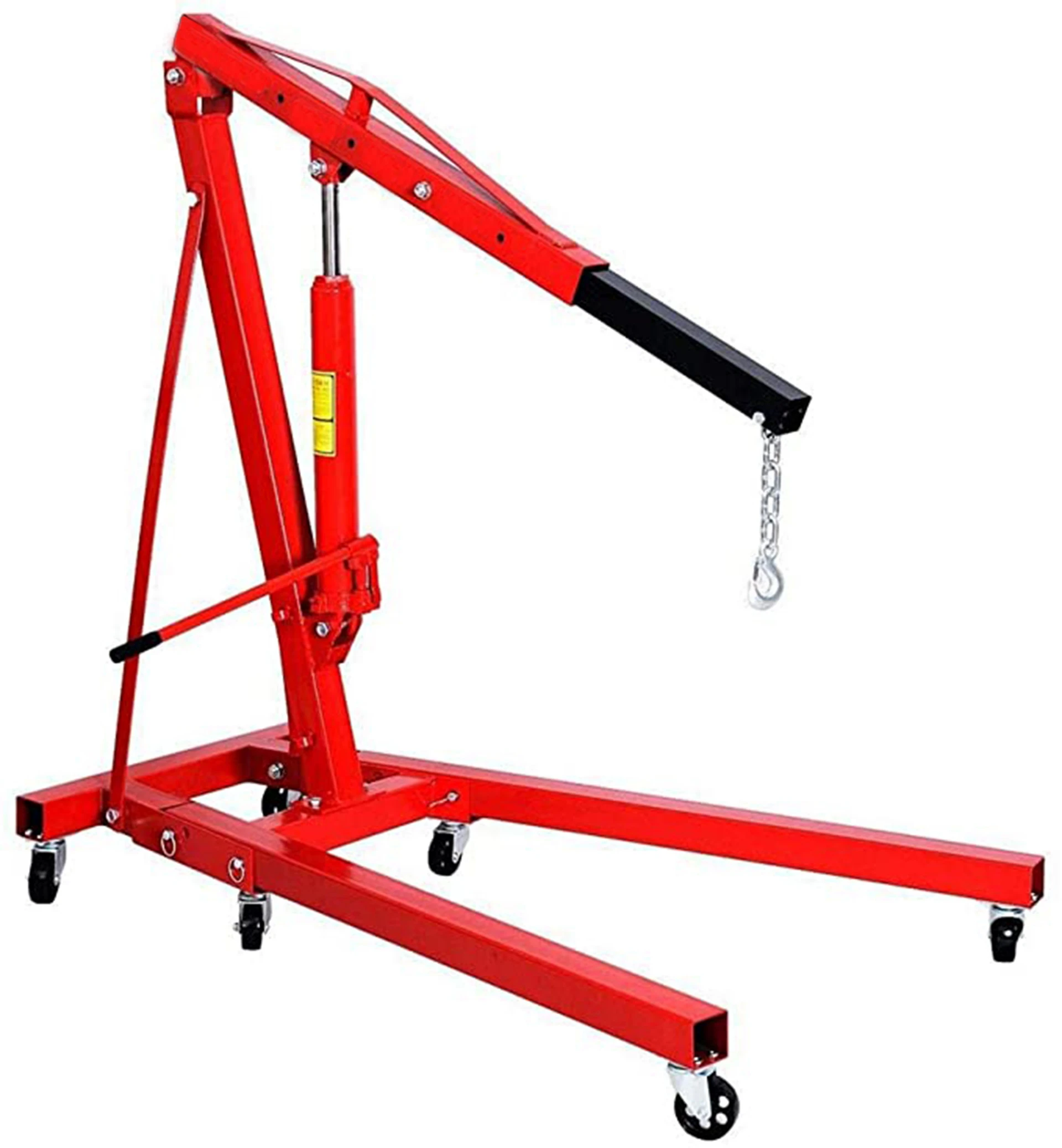
The 2-ton hydraulic car jack is a ubiquitous piece of automotive maintenance equipment, employing Pascal’s Principle to amplify force and facilitate vehicle lifting for tasks such as tire changes, oil changes, and undercarriage repairs. Positioned within the automotive aftermarket as a critical lifting device, its performance directly impacts workshop efficiency and, more importantly, operator safety. Core performance characteristics center around lifting capacity (2 tons or 2000 kg), minimum lifting height, maximum lifting height, and the operational force required to initiate and maintain lift. Reliable operation is contingent upon the integrity of the hydraulic system, the structural strength of the jack’s components, and adherence to stringent safety standards. Industry pain points frequently revolve around seal degradation leading to fluid loss, material fatigue in the lifting arm, and inconsistent manufacturing quality resulting in premature failure. This guide provides an in-depth technical analysis of the 2-ton hydraulic car jack, covering material science, manufacturing processes, performance parameters, failure modes, and relevant industry standards.
Material Science & Manufacturing
The construction of a 2-ton hydraulic car jack involves several key materials, each selected for specific properties. The hydraulic cylinder and piston are typically constructed from high-strength carbon steel (e.g., AISI 1045) due to its excellent machinability, weldability, and resistance to wear. Surface hardening through induction hardening or chrome plating is common to enhance corrosion resistance and improve surface hardness. The jack’s housing and lifting arm are generally fabricated from medium carbon steel (e.g., AISI 1018 or 1020) offering a balance of strength and ductility. The hydraulic fluid commonly employed is a mineral oil-based hydraulic fluid formulated with anti-wear additives, corrosion inhibitors, and viscosity index improvers. Seal materials predominantly consist of nitrile butadiene rubber (NBR) or hydrogenated nitrile butadiene rubber (HNBR) for their compatibility with hydraulic fluid and resistance to abrasion.
Manufacturing processes vary depending on component complexity. The hydraulic cylinder is typically produced through honing and machining of seamless steel tubing. The piston is machined and then assembled with seals. The housing often involves sheet metal forming (stamping or bending) followed by welding. The lifting arm is formed through forging or casting processes, then undergoes machining for precise dimensions and tolerances. Critical parameter control includes maintaining tight tolerances on cylinder bore diameter to minimize fluid leakage, ensuring proper heat treatment to achieve desired material hardness, and rigorous quality control of weld integrity to prevent structural failure. Seal installation is crucial; improper installation can compromise seal performance and lead to premature failure. Hydraulic fluid filling and pressure testing are performed to verify system functionality and identify potential leaks.
Performance & Engineering
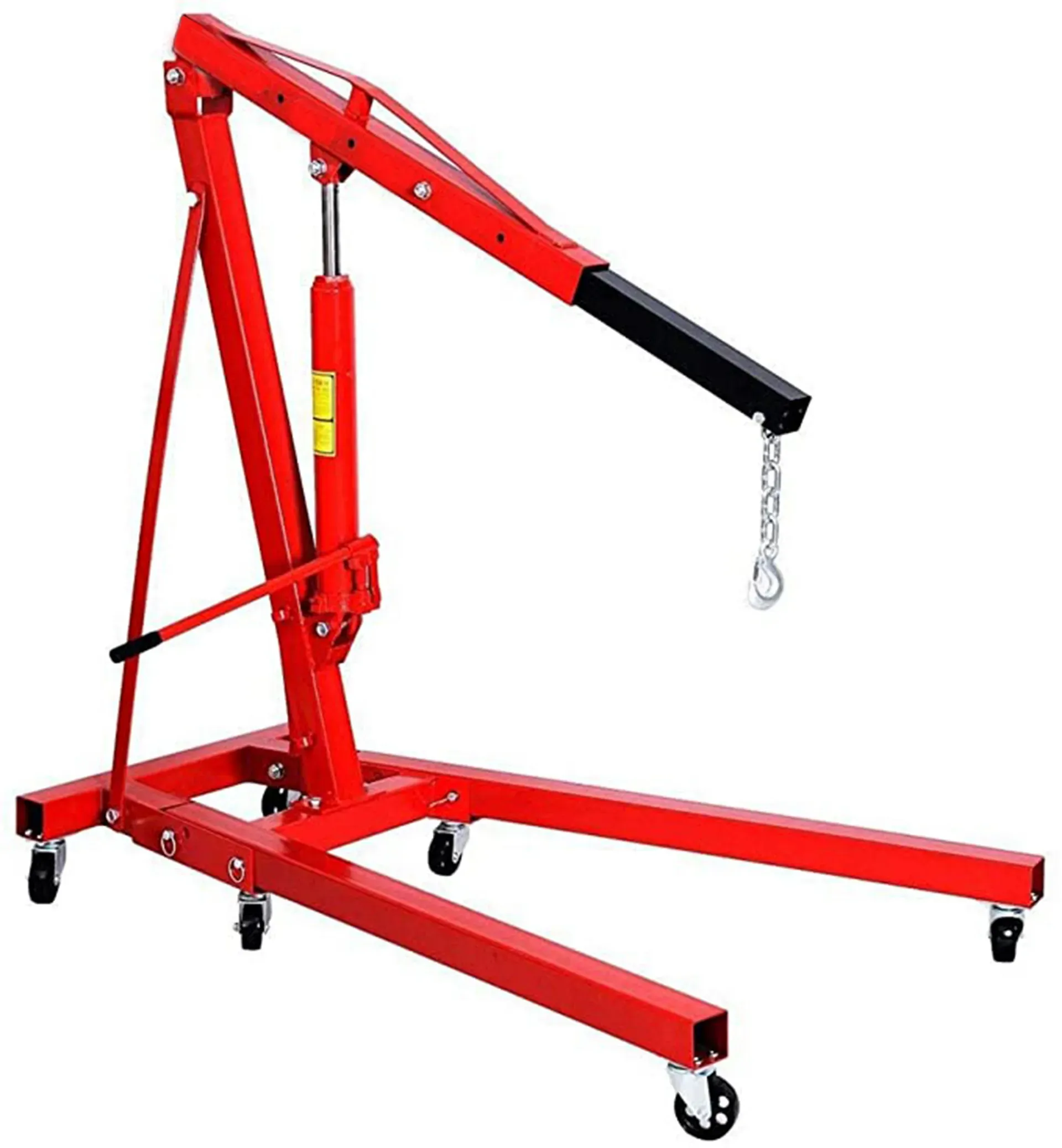
The performance of a 2-ton hydraulic car jack is governed by Pascal’s Principle: pressure applied to a confined fluid is transmitted equally in all directions. The jack’s mechanical advantage is determined by the ratio of the piston area to the pump piston area. Force analysis dictates that the lifting capacity is directly proportional to the pressure within the hydraulic system and the area of the main lifting piston. Environmental resistance is a critical consideration. Exposure to moisture, road salt, and extreme temperatures can accelerate corrosion and degrade seal materials. The jack’s design must incorporate protective coatings (e.g., powder coating) and materials resistant to these environmental factors. Compliance requirements, such as those outlined by ASME PALD (Product Assurance and Labeling Division) standards, mandate minimum safety factors and testing protocols to ensure structural integrity and prevent catastrophic failure. Functional implementation involves precise control of hydraulic pressure and flow rate. A relief valve is essential to prevent over-pressurization and potential damage to the system. The jack’s screw mechanism and saddle design must provide a stable and secure lifting platform. Fatigue analysis is performed on the lifting arm and critical components to ensure they can withstand repeated loading and unloading cycles without failure.
Technical Specifications
| Parameter | Specification | Testing Method | Tolerance |
|---|---|---|---|
| Lifting Capacity | 2000 kg (2 tons) | Static Load Test (ASTM E4) | ±5% |
| Minimum Lifting Height | 85 mm | Dimensional Measurement (ISO 3601-1) | ±2 mm |
| Maximum Lifting Height | 380 mm | Dimensional Measurement (ISO 3601-1) | ±5 mm |
| Hydraulic Fluid Capacity | 0.6 L | Volumetric Measurement | ±0.05 L |
| Pump Stroke | 40 mm | Dimensional Measurement | ±1 mm |
| Operating Pressure | 60-70 MPa | Pressure Gauge Calibration (ISO 7500-1) | ±2 MPa |
Failure Mode & Maintenance
Common failure modes in 2-ton hydraulic car jacks include seal degradation leading to hydraulic fluid leakage, resulting in reduced lifting capacity or complete failure. This is often accelerated by improper fluid maintenance or the use of incompatible fluids. Fatigue cracking can occur in the lifting arm, particularly at stress concentration points (e.g., weld joints), due to repeated cyclic loading. Corrosion, especially in exposed components, can weaken the jack’s structure and lead to failure. Delamination of the base plate or saddle can occur due to inadequate bonding or material defects. Oxidation of the hydraulic fluid can lead to sludge formation and reduced hydraulic efficiency. To mitigate these failures, regular maintenance is essential. This includes checking hydraulic fluid levels and replenishing as needed with the manufacturer-recommended fluid. Inspecting seals for leaks and replacing them when necessary. Lubricating moving parts (e.g., screw mechanism) to reduce friction and wear. Regularly cleaning the jack to remove dirt and debris. Storing the jack in a dry environment to prevent corrosion. Periodic inspection of the lifting arm and critical components for signs of cracking or damage. Preventative maintenance based on a defined schedule (e.g., every 6 months) significantly extends the jack’s lifespan and ensures safe operation.
Industry FAQ
Q: What is the primary cause of hydraulic fluid leakage in these jacks?
A: The most common cause is degradation of the seals (NBR or HNBR). Over time, the seals lose their elasticity and become brittle, allowing fluid to bypass them. Contamination of the hydraulic fluid with dirt or debris can also accelerate seal wear. Incorrect fluid type can also cause seal incompatibility and failure.
Q: How does temperature affect the jack’s performance?
A: Extreme temperatures can significantly impact performance. Cold temperatures increase hydraulic fluid viscosity, slowing down operation and potentially reducing lifting capacity. High temperatures can cause seals to swell or degrade, leading to leaks. Prolonged exposure to extreme temperatures can also affect the structural integrity of the jack’s components.
Q: What safety features are critical for a 2-ton hydraulic jack?
A: A properly functioning relief valve is paramount to prevent over-pressurization. A stable base and saddle design are essential to prevent tipping. A safety lock mechanism is crucial to maintain the lifted load in a stable position. Clear and visible safety warnings are required to inform users of proper operating procedures.
Q: What material is best suited for the hydraulic cylinder to maximize durability?
A: High-strength carbon steel, such as AISI 1045, is generally preferred. Surface hardening, through induction hardening or chrome plating, is critical for enhancing wear resistance and corrosion protection. Seamless tubing construction minimizes potential leak paths.
Q: What maintenance schedule would you recommend for a frequently used jack in a professional automotive shop?
A: A monthly inspection of hydraulic fluid levels and seals is recommended. Fluid should be changed annually, or more frequently if contamination is observed. The lifting arm and saddle should be inspected quarterly for signs of cracking or damage. Lubrication of moving parts should be performed every three months. A comprehensive inspection and service should be performed annually by a qualified technician.
Conclusion
The 2-ton hydraulic car jack, while seemingly simple in its operation, is a sophisticated piece of machinery relying on precise engineering, robust material selection, and careful manufacturing processes. Its performance is inextricably linked to the properties of its constituent materials – the strength of the steel, the compatibility of the seals, and the quality of the hydraulic fluid. Understanding the potential failure modes, stemming from seal degradation, material fatigue, and environmental factors, is crucial for ensuring operator safety and maximizing the jack’s service life.
Future developments may focus on incorporating advanced materials, such as high-performance polymers for seals, and integrating smart features like pressure sensors and automated leak detection. Adherence to rigorous industry standards, such as ASME PALD, remains paramount. Ultimately, a proactive approach to maintenance, coupled with a thorough understanding of the jack’s technical specifications, is the key to reliable and safe operation within the demanding environment of automotive repair and maintenance.
