Introduction
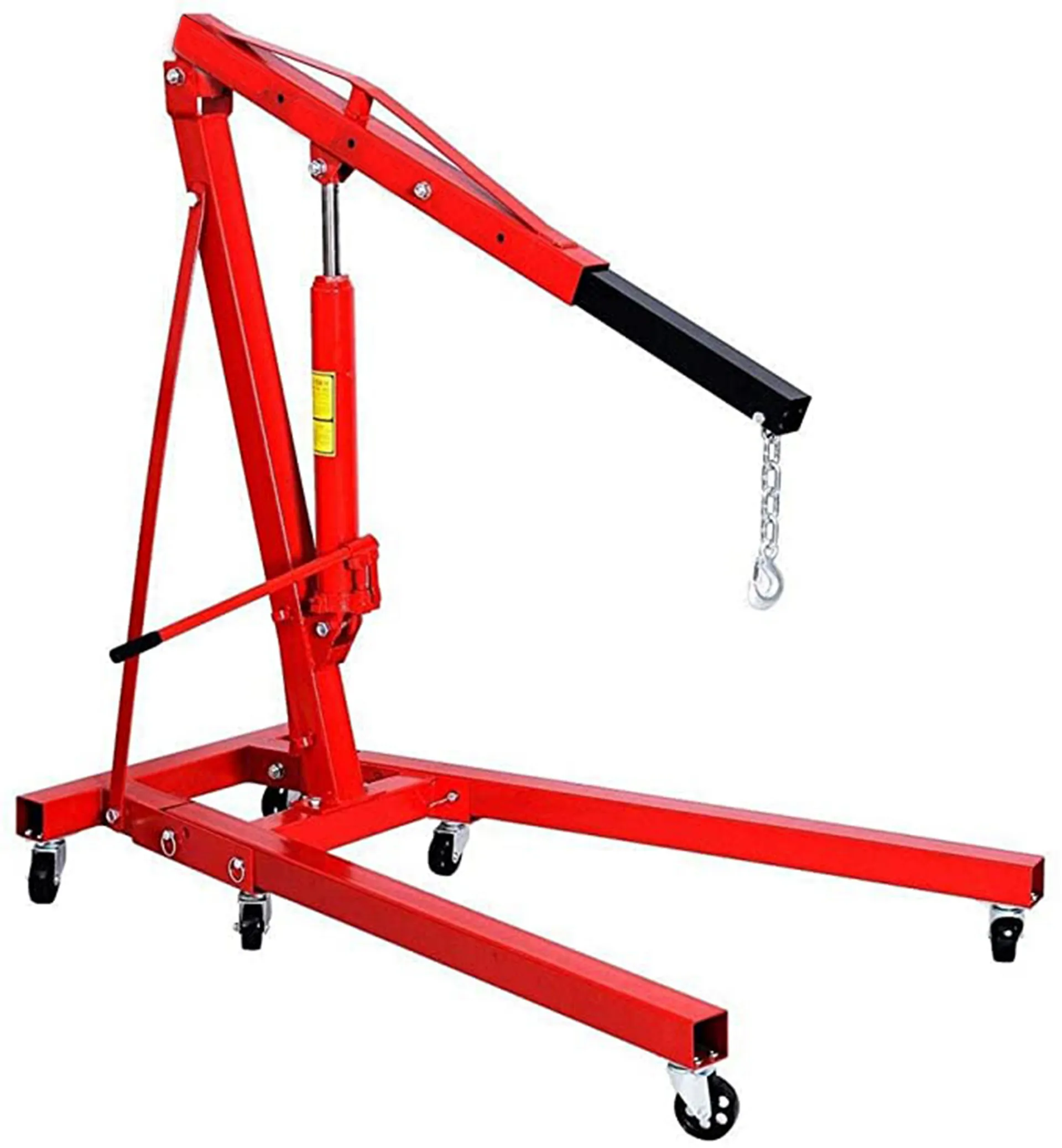
Hydraulic floor jacks are essential lifting devices utilized extensively across automotive, industrial, and construction sectors. Positioned within the materials handling equipment supply chain, these jacks facilitate the lifting of heavy loads for maintenance, repair, and operational procedures. Their fundamental principle relies on Pascal's Law, leveraging hydraulic pressure to amplify force. Core performance characteristics center around lift capacity (tonnage), lift height, and overall stability under load. The industry faces ongoing challenges regarding safety standards compliance, material durability, and optimizing efficiency through advanced sealing technologies and hydraulic fluid formulations. Modern floor jacks range from basic bottle jacks to sophisticated floor jacks with integrated safety features like overload protection and rapid lift mechanisms. Understanding the nuances of their construction and operation is critical for safe and effective usage.
Material Science & Manufacturing
The construction of hydraulic floor jacks involves a variety of materials, each selected for specific properties. The primary structural components – the jack body, lifting arm, and base – are typically constructed from high-strength carbon steel (e.g., AISI 1045 or equivalent), chosen for its tensile strength, weldability, and resistance to deformation. The hydraulic cylinder utilizes a honed steel tube, frequently bearing a hard chrome plating to enhance wear resistance and prevent corrosion. Piston rods are similarly made of alloy steel, often induction hardened for increased durability. Sealing elements, critical for maintaining hydraulic pressure, are commonly manufactured from Nitrile Butadiene Rubber (NBR) due to its compatibility with mineral oils and wide temperature range. However, Viton (FKM) is increasingly used for applications requiring higher temperature resistance and compatibility with synthetic hydraulic fluids. Manufacturing processes include steel plate forming, welding (SMAW, GMAW are common), machining (turning, milling, drilling), and heat treatment (quenching and tempering) to achieve desired material properties. Critical parameters include weld penetration depth, hardness levels (verified via Rockwell or Vickers testing), and surface finish (Ra value) to ensure smooth piston movement and prevent seal damage. Hydraulic fluid filtration during assembly is paramount to prevent particulate contamination and system failure. Quality control relies on non-destructive testing (NDT) methods like ultrasonic testing to detect internal flaws in critical components.
Performance & Engineering
Performance of hydraulic floor jacks is dictated by several engineering principles. Force amplification is governed by Pascal's Law: Pressure = Force/Area. Therefore, a small force applied to a small piston area generates a larger force on a larger piston area within the hydraulic cylinder. The mechanical advantage is further influenced by the jack’s lever arm ratio. Stability is paramount and depends on the base design – a wider base provides greater resistance to tipping. Finite Element Analysis (FEA) is utilized during the design phase to optimize structural integrity and minimize stress concentrations under maximum load conditions. Environmental resistance is a significant consideration. Exposure to corrosive environments (e.g., road salt, industrial chemicals) necessitates corrosion protection measures such as surface coatings (phosphate coating, powder coating) and the selection of corrosion-resistant materials. Compliance requirements include adherence to ASME B30.1 standards for lifting devices and relevant regional safety regulations. The hydraulic system’s efficiency is affected by fluid viscosity, seal friction, and internal leakage. Rapid lift functionality is achieved through larger pump displacement and optimized valve design. Overload protection mechanisms, often incorporating shear valves or pressure relief valves, prevent exceeding the jack’s rated capacity, enhancing safety and extending service life.
Technical Specifications
| Capacity (tons) | Minimum Lift Height (inches) | Maximum Lift Height (inches) | Pump Type |
|---|---|---|---|
| 2 | 3.7 | 15.7 | Single Piston |
| 3 | 3.5 | 18.1 | Single Piston |
| 5 | 3.9 | 22.8 | Single Piston |
| 10 | 4.3 | 27.6 | Dual Piston |
| 20 | 4.7 | 31.5 | Dual Piston |
| 50 | 5.1 | 39.4 | Dual Piston |
Failure Mode & Maintenance
Hydraulic floor jacks are susceptible to several failure modes. Internal leakage, often originating from worn seals, is a common issue, resulting in a gradual loss of pressure and reduced lifting capacity. Hydraulic fluid contamination, stemming from dirt, debris, or moisture ingress, accelerates wear and can cause valve malfunctions. Corrosion, particularly in unprotected steel components, leads to weakening and eventual failure. Fatigue cracking can occur in the lifting arm or jack body due to repeated stress cycles, especially when exceeding the rated capacity. Shear failure of the piston rod is possible under extreme overload conditions. Maintenance procedures are crucial for preventing these failures. Regularly inspect seals for cracks, swelling, or deterioration and replace them as needed. Ensure the hydraulic fluid is clean and at the correct level, and replace it periodically (typically every 12-24 months) according to the manufacturer's recommendations. Lubricate all moving parts with a suitable lubricant. Thoroughly clean the jack exterior to remove dirt and contaminants. Avoid exceeding the rated capacity and always operate the jack on a level surface. Regularly inspect for signs of corrosion and address them promptly with appropriate coatings or replacements. Post-use, always release the pressure before storing the jack.
Industry FAQ
Q: What is the primary cause of hydraulic fluid leakage in a floor jack?
A: The primary cause of hydraulic fluid leakage is degradation and wear of the seals within the hydraulic cylinder and pump. Over time, these seals (typically NBR or Viton) become brittle, cracked, or deformed due to exposure to fluid, temperature variations, and mechanical stress. Contamination of the hydraulic fluid with particulate matter can accelerate seal wear.
Q: How does the rated capacity of a floor jack impact its lifespan?
A: Regularly exceeding the rated capacity significantly reduces the lifespan of a floor jack. Overloading introduces stresses beyond the designed limits, leading to premature fatigue failure of critical components like the lifting arm, hydraulic cylinder, and base. It also increases the risk of catastrophic failure and poses a serious safety hazard.
Q: What is the role of the relief valve in a hydraulic floor jack?
A: The relief valve acts as a safety mechanism to prevent over-pressurization of the hydraulic system. If the pressure exceeds the jack’s rated capacity, the relief valve automatically opens, releasing excess pressure and preventing damage to the cylinder and other components. It's a crucial safety feature.
Q: What type of hydraulic fluid is recommended for most floor jacks?
A: Most floor jacks utilize a mineral-based hydraulic fluid with a viscosity grade of ISO 32 or ISO 46. However, some models may require a synthetic hydraulic fluid, especially those operating in extreme temperatures. Always consult the manufacturer's specifications for the recommended fluid type.
Q: How important is preventative maintenance for hydraulic floor jacks?
A: Preventative maintenance is critically important for ensuring the safe and reliable operation of hydraulic floor jacks. Regular inspection, fluid changes, seal replacements, and lubrication significantly extend the jack’s lifespan, reduce the risk of failure, and minimize downtime. Ignoring maintenance can lead to costly repairs or even dangerous accidents.
Conclusion
Hydraulic floor jacks represent a mature but continually evolving technology. Their efficacy hinges on a delicate balance of material science, precise manufacturing, and sound engineering principles. Proper material selection, rigorous quality control during production, and adherence to relevant safety standards are paramount. Understanding the potential failure modes and implementing a robust preventative maintenance schedule are crucial for maximizing service life and ensuring operational safety.
Future developments are likely to focus on enhancing safety features – such as improved overload protection systems and more robust locking mechanisms – and integrating smart technologies like pressure sensors and remote monitoring capabilities. The demand for lighter-weight, high-capacity jacks will also drive innovation in materials and design, potentially leading to increased adoption of advanced alloys and composite materials.
