Introduction
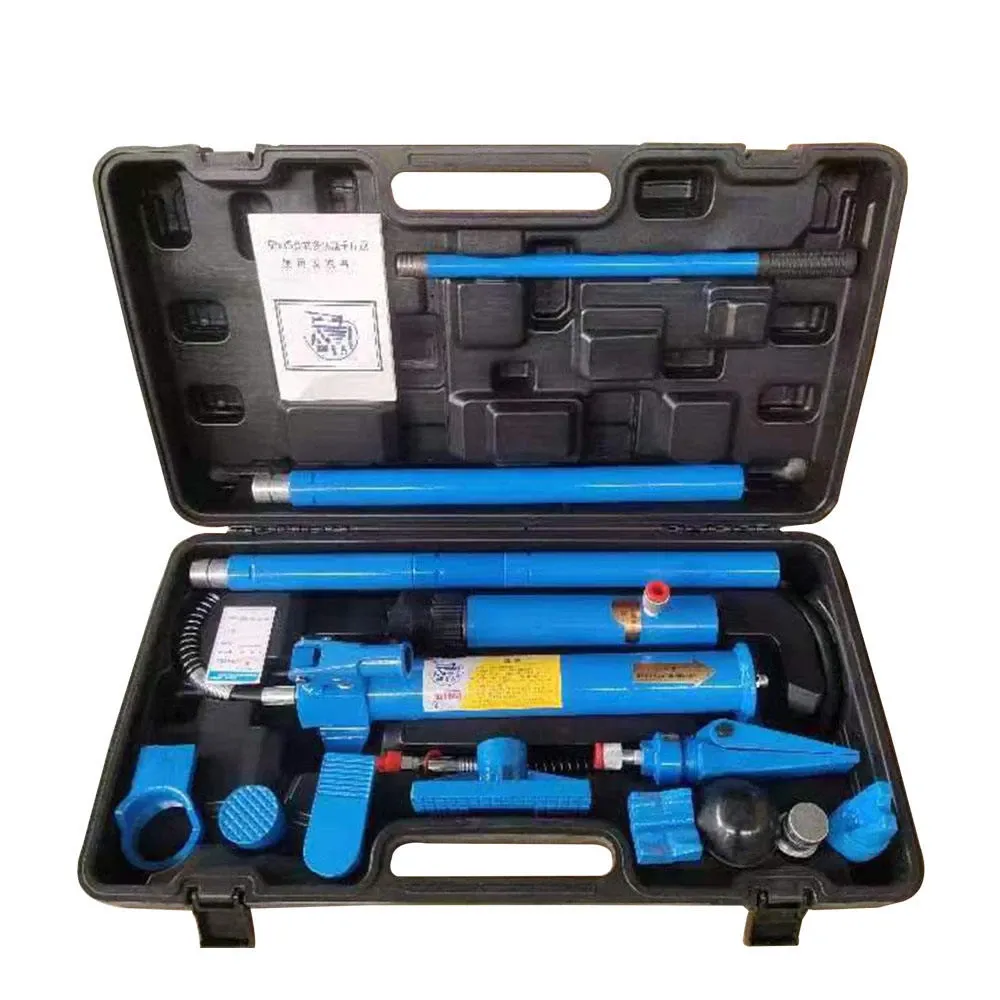
Hydraulic porta power, also known as hydraulic spreaders or rescue tools, represent a critical component in heavy machinery repair, emergency response, and industrial maintenance. These devices utilize hydraulic pressure to deliver substantial force for tasks such as bending, spreading, and cutting materials. Positioned within the broader hydraulic systems industry, they serve as a self-contained, portable power source where fixed infrastructure is unavailable or impractical. Core performance characteristics are defined by spreading force (measured in tons), spreading distance, and operational pressure. Their versatility is driving demand across sectors ranging from automotive repair and construction to disaster relief and shipbuilding. The increasing need for efficient and safe force application in remote or constrained environments solidifies the hydraulic porta power’s role as an indispensable tool for professional tradespeople and emergency services.
Material Science & Manufacturing
The core components of a hydraulic porta power unit demand specific material properties to withstand the extreme pressures and stresses involved. The hydraulic cylinder itself is commonly constructed from high-strength alloy steel (typically 4140 or equivalent), selected for its high yield strength, tensile strength, and resistance to fatigue. Surface hardening processes, such as induction hardening or chrome plating, are applied to the cylinder bore to enhance wear resistance and prevent corrosion. The pump housing and spreader arms are frequently manufactured from aluminum alloys (6061-T6 is prevalent) due to their favorable strength-to-weight ratio and corrosion resistance. However, critical load-bearing components within the spreader arms may incorporate higher-strength steel alloys. Hydraulic fluid, generally a mineral oil-based formulation with viscosity additives and corrosion inhibitors, is crucial. Its properties – viscosity index, pour point, and oxidation stability – directly impact operational performance and longevity. Manufacturing processes involve precision machining of steel components, aluminum die-casting for housings, and hydraulic welding techniques. Key parameter control during manufacturing includes maintaining tight tolerances on cylinder bore diameter, ensuring proper heat treatment of steel components to achieve desired hardness levels, and rigorously testing hydraulic seals to prevent leakage. Quality control focuses on hydrostatic testing of the complete unit to verify structural integrity and performance against specified standards.
Performance & Engineering
The performance of a hydraulic porta power is fundamentally governed by Pascal’s Law, which dictates that pressure applied to a confined fluid is transmitted equally in all directions. Engineering considerations center on maximizing force output while maintaining operational safety and durability. Force analysis involves calculating the cylinder’s required cross-sectional area to achieve a specified spreading force, considering the maximum allowable hydraulic pressure. Environmental resistance is paramount. Exposure to corrosive environments (saltwater, harsh chemicals) requires protective coatings and the selection of corrosion-resistant materials. Temperature extremes impact fluid viscosity and seal performance; formulations must accommodate a wide temperature range. Compliance requirements vary by region and application. In emergency response scenarios, units must meet stringent safety standards to prevent unintended operation or component failure. Functional implementation often involves utilizing quick-connect couplings for rapid attachment and detachment of hoses, and incorporating pressure relief valves to protect the system from over-pressurization. The geometry of the spreader arms is also critical, optimizing force distribution and minimizing stress concentrations. Finite element analysis (FEA) is commonly employed to validate designs and predict performance under various loading conditions. Fatigue life is a key design parameter, assessed through accelerated testing and material characterization.
Technical Specifications
| Parameter | Typical Value (Small Unit) | Typical Value (Large Unit) | Units |
|---|---|---|---|
| Spreading Force | 6 | 20 | tons |
| Spreading Distance | 2 | 8 | inches |
| Operating Pressure | 6000 | 10000 | psi |
| Hydraulic Fluid Capacity | 0.5 | 1.5 | liters |
| Weight | 10 | 25 | lbs |
| Cylinder Bore Diameter | 1.5 | 2.5 | inches |
Failure Mode & Maintenance
Hydraulic porta power units are subject to several potential failure modes. Fatigue cracking in spreader arms, particularly near stress concentration points, is common with repeated heavy use. Hydraulic seal failure, leading to fluid leakage and pressure loss, is often caused by abrasion, chemical incompatibility, or temperature extremes. Delamination of the hydraulic hose, stemming from internal pressure and material degradation, poses a significant safety hazard. Oxidation of the hydraulic fluid, leading to increased viscosity and corrosion, reduces efficiency and can damage internal components. Component failure within the pump mechanism, such as piston or valve malfunction, results in reduced or absent hydraulic pressure. Maintenance involves regular inspection of hoses for cracks or bulges, checking fluid levels and condition, lubricating moving parts, and verifying the proper functioning of pressure relief valves. Preventive maintenance schedules should include periodic fluid changes (typically annually or every 500 cycles), seal replacement, and thorough inspection for signs of wear or damage. If a unit experiences consistent pressure loss, a hydrostatic test should be performed to identify leaks or structural weaknesses. Proper storage is crucial, keeping the unit clean and dry to prevent corrosion.
Industry FAQ
Q: What is the impact of hydraulic fluid type on the porta power’s performance in cold weather?
A: Hydraulic fluid viscosity increases significantly in cold temperatures, leading to slower operation and reduced force output. Using a fluid with a low pour point and a high viscosity index is critical for maintaining performance in cold environments. Synthetic hydraulic fluids are often preferred for their superior low-temperature properties compared to mineral oil-based fluids.
Q: How does the material of the spreader arms affect their resistance to bending and breakage?
A: Spreader arms constructed from high-strength alloy steel offer significantly greater resistance to bending and breakage compared to aluminum alloys. While aluminum offers a weight advantage, steel provides superior structural integrity under high loads. The specific grade of steel and heat treatment process used also play a crucial role in determining arm strength.
Q: What are the primary causes of hydraulic seal failure and how can they be prevented?
A: The primary causes of hydraulic seal failure include abrasion from particulate contamination in the fluid, chemical incompatibility between the fluid and seal material, and excessive temperature fluctuations. Preventing seal failure requires using a high-quality hydraulic fluid with appropriate filtration, ensuring compatibility between the fluid and seals, and operating the unit within its specified temperature range.
Q: What safety features are essential for a hydraulic porta power used in emergency rescue operations?
A: Essential safety features include a pressure relief valve to prevent over-pressurization, quick-connect couplings for rapid hose attachment and detachment, and a locking mechanism to prevent unintentional operation. Regular inspection and maintenance are also crucial for ensuring the unit’s safe and reliable operation in emergency situations.
Q: How does the cylinder bore diameter relate to the overall force output of the porta power?
A: The force output of a hydraulic cylinder is directly proportional to the cylinder bore diameter and the operating pressure. A larger bore diameter provides a greater surface area for the hydraulic pressure to act upon, resulting in a higher force output. However, increasing the bore diameter also increases the required fluid volume and the overall size and weight of the unit.
Conclusion
Hydraulic porta power units represent a sophisticated application of hydraulic principles, offering a portable and powerful solution for a diverse range of industrial and emergency response tasks. The performance and reliability of these tools are intrinsically linked to material selection, manufacturing precision, and diligent maintenance. Understanding the fundamental principles of hydraulic operation, potential failure modes, and relevant industry standards is crucial for optimizing their utilization and ensuring long-term operational safety.
Future advancements in hydraulic porta power technology are likely to focus on increasing force-to-weight ratios through the use of advanced materials, integrating intelligent control systems for more precise operation, and developing more environmentally friendly hydraulic fluids. Continued adherence to rigorous quality control standards and comprehensive maintenance protocols will remain essential for maximizing the lifespan and effectiveness of these critical tools.
