
Introduction
The porta power jack, fundamentally a hydraulic spreading device, occupies a crucial position within the industrial maintenance, repair, and overhaul (MRO) sector. Specifically designed for controlled force application, these jacks are integral to tasks such as structural deformation, pre-tensioning, and precise alignment. Unlike pneumatic or mechanical jacks, porta power jacks leverage Pascal’s principle to deliver a consistently high force output with relatively compact dimensions. This guide provides an in-depth technical overview, covering material composition, manufacturing processes, performance characteristics, potential failure modes, and relevant industry standards. The primary pain point addressed is consistent, reliable force application in confined spaces, a common challenge in industries like construction, automotive repair, and heavy machinery maintenance. The performance and longevity of these devices are heavily impacted by proper material selection, precise manufacturing tolerances, and adherence to operational best practices. Understanding these factors is vital for procurement managers, maintenance engineers, and quality control personnel.
Material Science & Manufacturing
Porta power jacks predominantly utilize high-strength steel alloys for critical components. The hydraulic cylinder body and ram are commonly manufactured from AISI 1045 carbon steel, selected for its balance of tensile strength (approximately 570 MPa) and machinability. The hydraulic fluid reservoir often employs mild steel (AISI 1018) due to its cost-effectiveness and weldability. The pump assembly frequently features components fabricated from 4140 alloy steel, offering superior hardness and wear resistance. Seal materials are critical and typically consist of nitrile butadiene rubber (NBR) for standard applications, providing acceptable oil resistance and temperature tolerance (-40°C to 120°C). For applications involving aggressive fluids or extreme temperatures, fluorocarbon elastomers (FKM/Viton) are employed, broadening the operating range to -20°C to 200°C.
Manufacturing processes begin with precision machining of the cylinder and ram components, adhering to tight dimensional tolerances (typically ±0.025 mm) to ensure leak-free operation. The cylinder bore is honed to achieve a surface finish of Ra 0.8 μm or better. Welding processes, predominantly shielded metal arc welding (SMAW) or gas metal arc welding (GMAW), are employed for assembling the reservoir and structural elements. Post-welding, components undergo stress relief annealing to minimize residual stresses and prevent cracking. Hydraulic fluid filling and pressure testing are automated to guarantee consistent performance. Quality control utilizes non-destructive testing (NDT) methods such as ultrasonic testing (UT) and magnetic particle inspection (MPI) to detect subsurface flaws in critical components. Pump assembly involves precision fit of internal gears and vanes, utilizing automated assembly lines to ensure consistent performance and minimize wear.
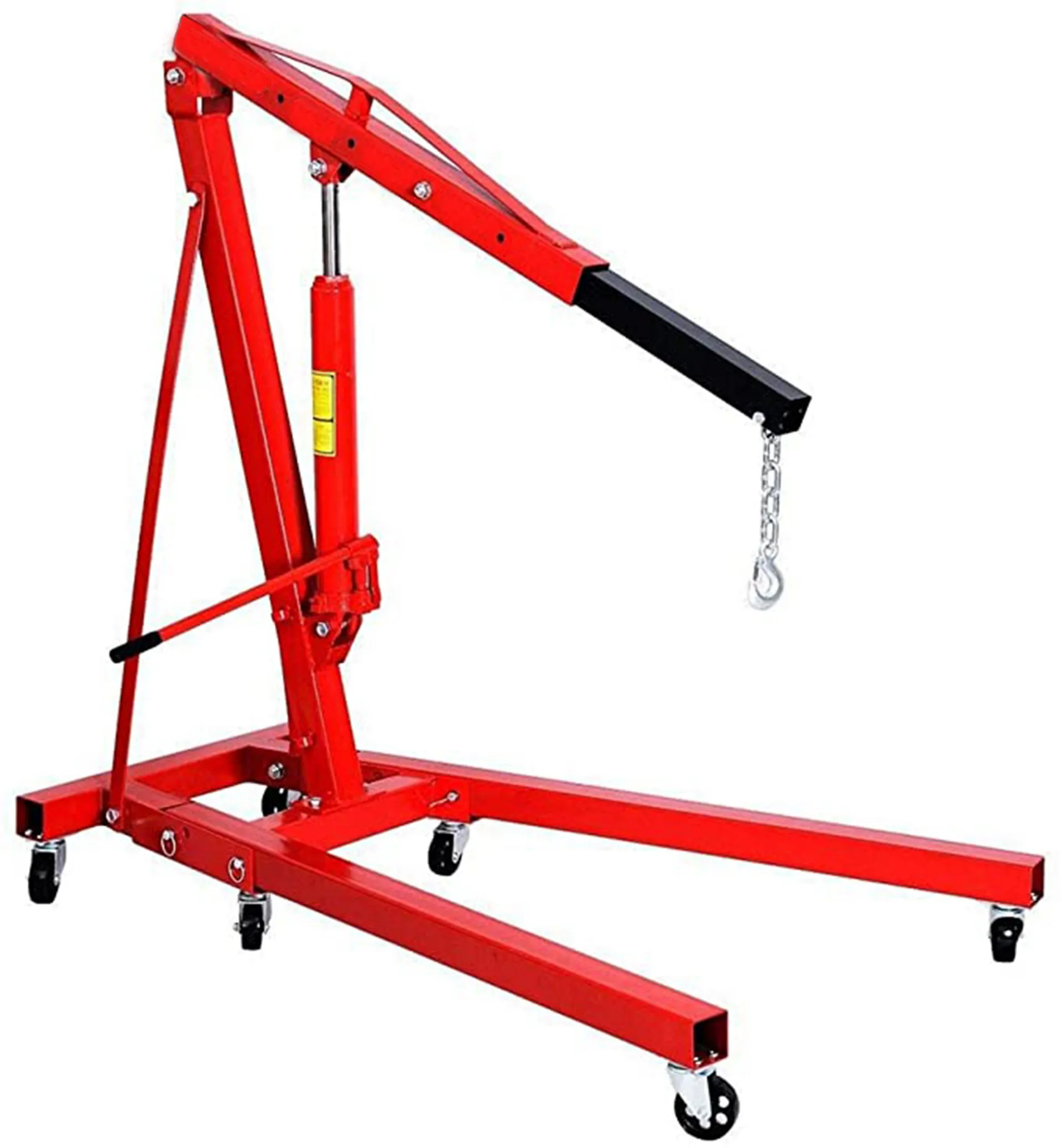
Performance & Engineering
The performance of a porta power jack is defined by its rated force capacity, stroke length, and operating pressure. Force capacity, ranging from 10 kN to 100 kN or higher, is determined by the cylinder bore area and the maximum operating pressure of the hydraulic system. Stroke length, typically ranging from 25 mm to 150 mm, dictates the extent of movement achievable. Engineering analysis focuses on stress distribution within the cylinder and ram under maximum load. Finite element analysis (FEA) is employed to optimize component geometry and minimize stress concentrations. Environmental resistance is a key consideration; exposure to corrosive environments necessitates the use of protective coatings such as zinc plating or epoxy powder coating.
Compliance requirements often mandate adherence to safety standards like EN 1494, which specifies design and testing criteria for hydraulic jacks. Force application is rarely purely axial; bending moments and shear forces must be accounted for in the design. The jack’s stability is critical, particularly when operating at high loads; a wide base and low center of gravity enhance stability. Hydraulic fluid viscosity is crucial for efficient operation; it must be maintained within the manufacturer’s specified range to ensure optimal pump performance and prevent seal damage. Fatigue analysis is also essential, considering the repetitive loading cycles encountered in many applications to predict component lifespan and prevent premature failure.
Technical Specifications
| Parameter | Unit | Typical Value (10 kN Jack) | Typical Value (50 kN Jack) |
|---|---|---|---|
| Rated Force Capacity | kN | 10 | 50 |
| Operating Pressure | MPa | 7 | 35 |
| Stroke Length | mm | 50 | 75 |
| Cylinder Bore Diameter | mm | 25 | 40 |
| Ram Diameter | mm | 20 | 35 |
| Hydraulic Fluid Type | - | ISO VG 32 | ISO VG 46 |
Failure Mode & Maintenance
Common failure modes in porta power jacks include seal failure leading to hydraulic fluid leaks, cylinder and ram corrosion, pump component wear (particularly gears and vanes), and structural cracking due to fatigue. Seal failure is often caused by exceeding temperature limits, contamination of the hydraulic fluid, or material degradation over time. Corrosion arises from exposure to moisture and corrosive substances, leading to pitting and weakening of metal components. Pump wear is exacerbated by inadequate fluid filtration and abrasive particles in the hydraulic system. Fatigue cracking typically initiates at stress concentrations, such as weld points or sharp corners.
Preventative maintenance is crucial for maximizing lifespan. Regular inspection for leaks, corrosion, and structural damage is essential. Hydraulic fluid should be replaced according to the manufacturer’s recommendations (typically every 1-2 years) and filtered to remove contaminants. Pump components should be inspected for wear during fluid changes. Lubrication of moving parts is vital to minimize friction and wear. If corrosion is detected, the affected area should be cleaned, treated with a corrosion inhibitor, and repainted. Damaged seals should be replaced with manufacturer-approved replacements. Proper storage in a clean, dry environment is also important to prevent corrosion and deterioration of seals.
Industry FAQ
Q: What is the impact of hydraulic fluid viscosity on jack performance?
A: Viscosity directly affects pump efficiency and responsiveness. Too low a viscosity results in internal leakage and reduced force output. Too high a viscosity increases resistance, slowing down operation and potentially overloading the pump. Maintaining the manufacturer’s recommended viscosity is crucial for optimal performance and longevity.
Q: How does operating temperature affect the lifespan of the seals?
A: Extreme temperatures accelerate seal degradation. High temperatures cause the rubber to harden and lose elasticity, leading to leaks. Low temperatures make the rubber brittle and prone to cracking. Using a hydraulic fluid with a suitable temperature range and avoiding prolonged exposure to extreme temperatures are essential.
Q: What are the key considerations when selecting a porta power jack for a specific application?
A: The primary consideration is the required force capacity. The stroke length must also be sufficient for the intended application. Environmental factors, such as temperature and exposure to corrosive substances, should also influence material selection and protective coatings. Finally, the available space and accessibility of the work area should be considered to ensure the jack can be safely and effectively deployed.
Q: What are the potential consequences of using contaminated hydraulic fluid?
A: Contaminated fluid significantly accelerates wear on pump components, particularly gears and vanes. Abrasive particles can score cylinder walls and damage seals, leading to leaks and reduced performance. Contamination can also cause blockages in the hydraulic system, preventing proper operation.
Q: How important is regular inspection for corrosion, and what steps should be taken if corrosion is detected?
A: Regular inspection is paramount. Corrosion weakens metal components, increasing the risk of failure. If corrosion is detected, thoroughly clean the affected area, remove loose rust, apply a corrosion inhibitor, and repaint with a protective coating. Severely corroded components should be replaced.
Conclusion
Porta power jacks represent a vital piece of equipment across numerous industrial sectors, offering a reliable and controlled solution for force application. Their performance and longevity are intrinsically linked to material science, precise manufacturing, and diligent maintenance practices. Understanding the interplay between material properties, operating parameters, and potential failure modes is critical for maximizing their service life and ensuring safe and efficient operation.
Future advancements in porta power jack technology will likely focus on incorporating smart features, such as real-time force monitoring and predictive maintenance capabilities. Furthermore, the development of more corrosion-resistant materials and environmentally friendly hydraulic fluids will contribute to enhanced sustainability and reduced operating costs. Continued adherence to industry standards and best practices remains paramount for ensuring the safety and reliability of these essential tools.
