Introduction
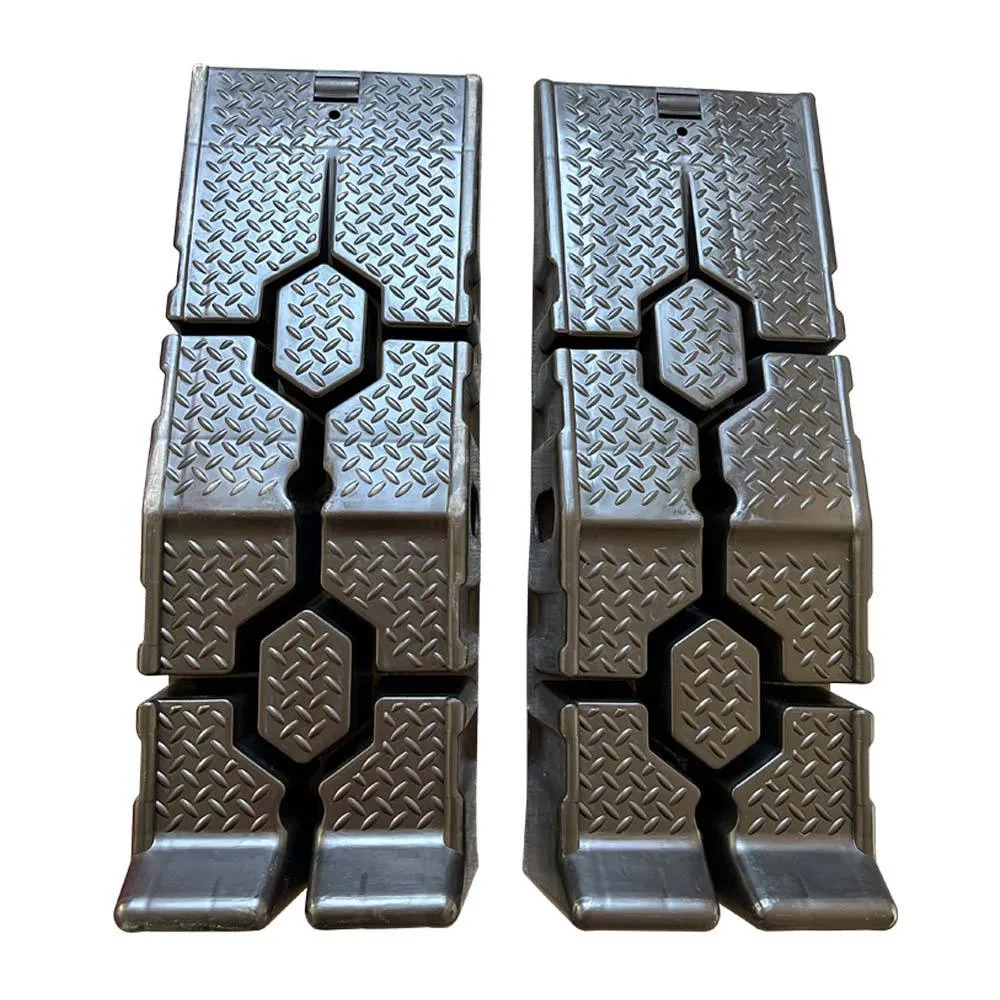
Porta Power jacks, also known as hydraulic jacks, are mechanical devices utilized to lift heavy loads using hydraulic force. Their technical position within the industrial chain lies primarily in maintenance, repair, and operations (MRO) sectors, alongside construction, automotive, and heavy equipment industries. They function as essential tools for equipment setup, positioning, and disassembly, minimizing downtime and facilitating safe working conditions. Core performance characteristics revolve around lifting capacity (tonnage), stroke length, minimum saddle height, and operational safety features. The increasing demand for precise lifting control and integrated safety mechanisms drives ongoing development in this area. This guide provides an in-depth exploration of Porta Power jack technology, encompassing material science, manufacturing processes, performance considerations, failure modes, and relevant industry standards. A key pain point is ensuring operator safety and preventing structural failure under load, necessitating a thorough understanding of operational limits and maintenance procedures.
Material Science & Manufacturing
The core components of a Porta Power jack dictate its performance and longevity. The hydraulic cylinder is typically constructed from high-strength carbon steel (AISI 1045 or equivalent) due to its excellent machinability, weldability, and ability to withstand high internal pressures. The cylinder bore is honed to a precise finish to minimize leakage and ensure smooth piston travel. The piston itself is often coated with hard chrome plating to enhance wear resistance and corrosion protection. The hydraulic fluid, commonly a mineral oil-based formulation with viscosity ranging from ISO VG 32 to ISO VG 68, provides the incompressibility necessary for force transmission. Additives are incorporated to improve lubricity, anti-wear properties, and oxidation stability. The jack's housing and saddle are usually manufactured from ductile cast iron (ASTM A48) offering robust support and impact resistance. Manufacturing involves several key processes: cylinder body machining, honing, and welding; piston rod chrome plating; hydraulic fluid blending and quality control; assembly and pressure testing. Critical parameter control focuses on maintaining tight tolerances for cylinder bore diameter, piston seal integrity, and fluid viscosity. Welding procedures are carefully monitored to ensure weld strength and prevent porosity. Quality control involves hydrostatic testing to verify the jack's capacity and leak-tightness, as well as non-destructive testing (NDT) methods like magnetic particle inspection to detect surface cracks in critical components.
Performance & Engineering
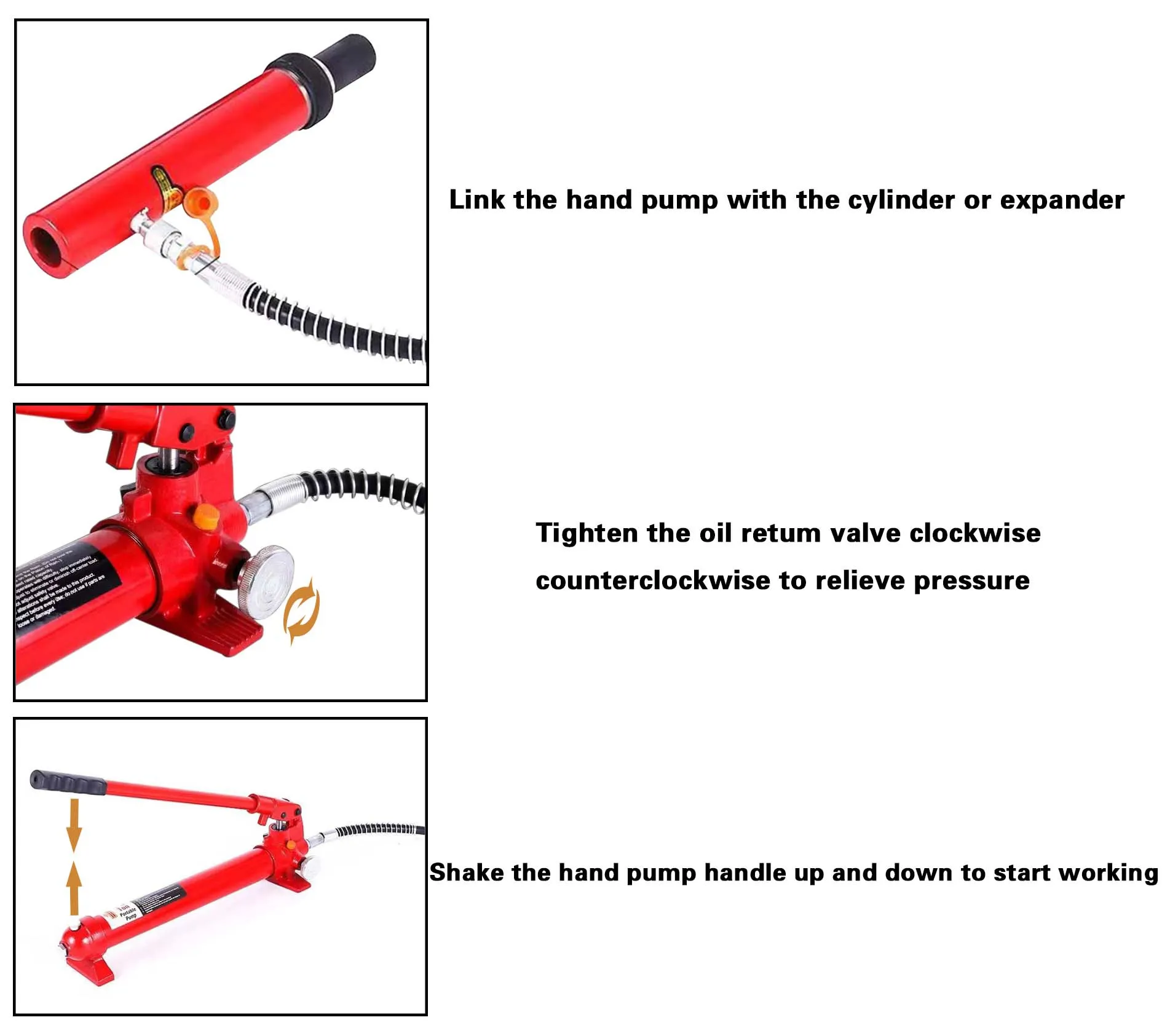
The performance of a Porta Power jack is governed by Pascal’s Law, which states that pressure applied to a confined fluid is transmitted equally in all directions. Force amplification is achieved through the ratio of the piston area to the hydraulic cylinder’s outlet port area. Engineering considerations include stress analysis of the cylinder body and piston rod under maximum load, ensuring sufficient safety factors to prevent yielding or fracture. Fatigue analysis is critical for components subjected to cyclic loading, such as the piston rod and hydraulic seals. Environmental resistance is paramount; jacks operating in corrosive environments require specialized coatings and fluid formulations to prevent oxidation and material degradation. Compliance requirements vary depending on the intended application. For example, jacks used in aviation maintenance must meet stringent FAA standards regarding material traceability and quality control. Functional implementation necessitates careful consideration of saddle geometry to distribute load evenly and prevent localized stress concentrations. The release valve mechanism must provide smooth and controlled lowering of the load, minimizing the risk of sudden drops. Furthermore, considerations for the jack's stability, particularly its base footprint relative to the lifted load, are essential to prevent tipping or instability. Analysis of potential failure points and implementation of redundant safety features (like overpressure relief valves) are integral to design.
Technical Specifications
| Parameter | 5 Ton Jack | 10 Ton Jack | 20 Ton Jack | 50 Ton Jack |
|---|---|---|---|---|
| Lifting Capacity (tonnes) | 5 | 10 | 20 | 50 |
| Minimum Saddle Height (mm) | 285 | 310 | 340 | 410 |
| Maximum Saddle Height (mm) | 485 | 540 | 610 | 760 |
| Stroke Length (mm) | 100 | 130 | 170 | 250 |
| Pump Handle Length (mm) | 350 | 400 | 450 | 500 |
| Hydraulic Fluid Capacity (mL) | 150 | 250 | 400 | 750 |
Failure Mode & Maintenance
Common failure modes in Porta Power jacks include hydraulic fluid leakage (due to seal degradation or damaged fittings), piston rod corrosion, cylinder body cracking (from overloads or fatigue), and release valve malfunction. Fatigue cracking in the piston rod can initiate at stress concentration points, such as threads or weld zones. Delamination of the cylinder bore coating can occur due to improper maintenance or abrasive contamination. Hydraulic fluid degradation (oxidation and water contamination) reduces its viscosity and lubricating properties, accelerating wear. Oxidation is promoted by high temperatures and prolonged exposure to air. Maintenance procedures include regular inspection for leaks, corrosion, and damage. Hydraulic fluid should be replaced every 12-24 months, depending on usage intensity and operating environment. Seals should be inspected and replaced as needed. The piston rod should be cleaned and coated with a corrosion inhibitor. The release valve should be tested for smooth operation. Proper storage is essential; jacks should be stored in a clean, dry environment to prevent corrosion. Avoid exceeding the rated lifting capacity, and always use the jack on a level, stable surface. Never use a Porta Power jack to support a load during extended periods without supplemental support (jack stands).
Industry FAQ
Q: What is the correct procedure for bleeding air from a Porta Power jack?
A: Air can accumulate in the hydraulic system, reducing efficiency and causing jerky operation. To bleed the jack, ensure the release valve is closed. Slowly pump the handle several times with the saddle lowered. If air bubbles are visible in the reservoir, continue pumping until the fluid appears clear. If the air persists, slightly open the release valve to allow air to escape while pumping, then close it again.
Q: How do I determine the appropriate lifting capacity for my application?
A: Always select a jack with a lifting capacity that exceeds the weight of the load. A safety factor of at least 1.25 is recommended. Account for the weight of any attachments or components being lifted along with the primary load. Never attempt to lift a load that is at or exceeds the jack’s maximum capacity.
Q: What type of hydraulic fluid is compatible with my Porta Power jack?
A: Refer to the jack's manufacturer's specifications. Generally, a mineral oil-based hydraulic fluid (ISO VG 32 or ISO VG 68) is recommended. Do not use brake fluid, automotive transmission fluid, or other fluids not specifically designed for hydraulic systems, as they can damage seals and components.
Q: What preventative measures can I take to avoid corrosion in a harsh environment?
A: Regularly clean the jack with a mild detergent and water. Apply a corrosion inhibitor to all exposed metal surfaces. Store the jack in a dry, sheltered location. Consider using a jack with a protective coating (e.g., powder coat) specifically designed for corrosive environments. Using a hydraulic fluid formulated with corrosion inhibitors is also highly recommended.
Q: What should I do if the release valve is stuck or difficult to operate?
A: Do not force the valve. Apply a penetrating oil to the valve stem and allow it to soak for several minutes. Gently work the valve back and forth. If the valve remains stuck, it may require professional servicing or replacement. Avoid using excessive force, as this can damage the valve and compromise its sealing function.
Conclusion
Porta Power jacks represent a cornerstone of hydraulic lifting technology, providing a robust and relatively simple solution for a wide range of industrial applications. Their performance is intrinsically linked to the materials used in their construction, the precision of the manufacturing processes, and adherence to strict operational guidelines. Understanding the principles of hydraulic force amplification, potential failure modes, and preventative maintenance procedures is crucial for maximizing the lifespan and ensuring the safe operation of these essential tools.
Future advancements in Porta Power jack technology will likely focus on integrating smart features like load monitoring, wireless connectivity, and predictive maintenance capabilities. Improved materials and coating technologies will enhance corrosion resistance and extend service life. Adherence to evolving safety standards and a commitment to operator training will remain paramount to mitigating risks and ensuring the continued reliable performance of these critical lifting devices.
