Introduction
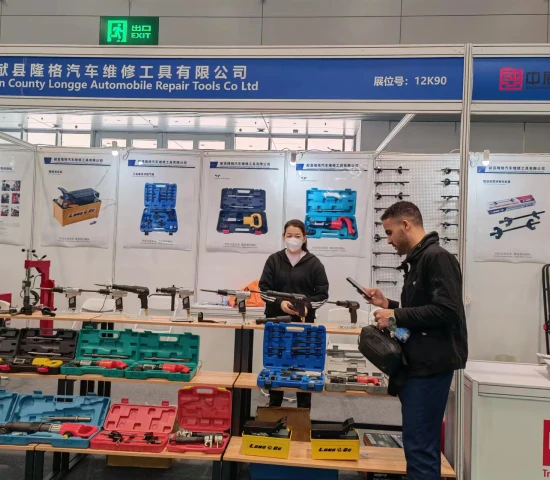
Porta Power kits, also known as hydraulic rescue tools or spreaders, represent a critical component in industrial maintenance, emergency response, and metalworking applications. Technically positioned within the realm of hydraulic amplification, these devices utilize Pascal’s Principle to generate substantial force from a relatively small input. A typical Porta Power kit comprises a hydraulic pump, hoses, and a variety of spreader jaws or cylinders designed to exert significant pressure. Its core performance characteristics revolve around rated tonnage, stroke length, and operational pressure. This guide provides an in-depth analysis of Porta Power kit construction, performance, failure modes, and relevant industry standards. Addressing the growing need for controlled dismantling, pre-bending of metal components, and structural repair in demanding industrial environments, Porta Power kits offer a portable, efficient alternative to traditional methods that often require extensive manpower or fixed infrastructure. The increasing prevalence of high-strength steel alloys in automotive and construction further elevates the necessity of specialized tools like Porta Power kits to overcome material resistance and ensure safe, effective operation.
Material Science & Manufacturing
The performance of a Porta Power kit is heavily reliant on the material science governing its components and the precision of its manufacturing processes. The hydraulic pump housing is typically constructed from high-strength carbon steel (e.g., AISI 1045) chosen for its yield strength and machinability. The hydraulic cylinder, responsible for force transmission, often employs alloy steel (e.g., 4140) hardened and tempered to withstand extreme pressures and prevent deformation. Seals within the hydraulic system are commonly composed of nitrile butadiene rubber (NBR) or fluorocarbon elastomers (FKM/Viton) selected for their resistance to hydraulic fluid and temperature variations. The spreader jaws or cylinders, which make direct contact with the work piece, are typically made from heat-treated alloy steel to resist cracking and wear. Manufacturing processes critical to the kit’s integrity include: precision machining of the cylinder bore to minimize leakage, induction hardening of the jaws for surface durability, and specialized welding techniques for joining pump components. Parameter control during heat treatment is crucial; incorrect tempering can lead to brittleness or insufficient hardness. Hydraulic fluid selection is also vital; mineral oil-based fluids are common, but synthetic fluids offer improved performance in extreme temperature ranges. Quality control involves rigorous pressure testing to verify the kit’s rated tonnage and leak detection utilizing dye penetrant inspection.
Performance & Engineering
The performance of a Porta Power kit is fundamentally governed by Pascal's Law, which states that pressure applied to a confined fluid is transmitted equally in all directions. The engineering principles behind these kits center around maximizing force output while maintaining control and safety. The force generated is calculated by multiplying the hydraulic pressure by the effective area of the cylinder: F = P x A. Force analysis must account for the cylinder’s stroke length, which dictates the total displacement achievable. Environmental resistance is a significant consideration, particularly in outdoor applications. Operating temperature ranges and exposure to corrosive elements (e.g., saltwater, industrial chemicals) can degrade seals and compromise structural integrity. Compliance requirements, such as OSHA regulations related to hydraulic safety, necessitate features like pressure relief valves to prevent over-pressurization and safety locks to prevent accidental activation. Functional implementation relies on precise valve control to regulate fluid flow and directional control to extend or retract the cylinder. The material selection for hoses (typically reinforced hydraulic hose) is critical, needing to withstand high pressures and resist abrasion. Furthermore, the stability of the kit during operation must be considered, often requiring the use of supporting structures or bracing to prevent tipping or unintended movement. Proper load distribution and avoidance of side-loading are crucial to prevent damage to the cylinder and ensure efficient force application.
Technical Specifications
| Parameter | Unit | Typical Value (50-Ton Kit) | Typical Value (100-Ton Kit) |
|---|---|---|---|
| Rated Tonnage | tons | 50 | 100 |
| Operating Pressure | psi | 10,000 | 10,000 |
| Stroke Length | inches | 2.5 | 4 |
| Spreader Jaw Opening | inches | 1.5 | 2.5 |
| Hydraulic Fluid Capacity | quarts | 1.5 | 2.5 |
| Pump Handle Force Required | lbs | 30 | 50 |
Failure Mode & Maintenance
Porta Power kits are subject to several potential failure modes in practical applications. Fatigue cracking in the hydraulic cylinder, particularly around stress concentration points, is common under repeated cycling. Delamination of seals due to degradation from hydraulic fluid or extreme temperatures leads to pressure loss. Corrosion, especially in marine or corrosive industrial environments, can attack metal components, reducing their strength and causing leaks. Oxidation of hydraulic fluid results in viscosity changes and sludge formation, hindering pump performance. Failure of the pump mechanism itself, due to worn internal components or contamination, is also observed. Maintenance solutions involve regular inspection of hoses and fittings for leaks or damage. Periodic replacement of hydraulic fluid (typically every 6-12 months) is essential. Lubrication of moving parts, such as the pump handle and cylinder extension rod, minimizes friction and wear. Thorough cleaning of the kit after use prevents contamination of the hydraulic system. Pressure testing should be performed annually to verify the kit’s rated tonnage. If corrosion is present, affected components should be cleaned, treated with a corrosion inhibitor, or replaced. Promptly address any leaks or unusual noises during operation to prevent further damage. Storage in a dry, clean environment protects the kit from environmental degradation.
Industry FAQ
Q: What is the impact of hydraulic fluid viscosity on Porta Power kit performance?
A: Hydraulic fluid viscosity directly affects the efficiency of the pump and the speed of cylinder operation. Too low a viscosity can lead to internal leakage and reduced force output. Too high a viscosity increases resistance, requiring greater pump effort and potentially causing cavitation. The optimal viscosity depends on the operating temperature range; manufacturers specify the recommended fluid type and viscosity grade.
Q: How do I determine the correct tonnage Porta Power kit for my application?
A: Determining the appropriate tonnage requires assessing the material strength and geometry of the object being moved or separated. A rule of thumb is to select a kit with a tonnage rating at least 1.5 to 2 times the estimated force required to overcome the material's resistance. Consulting material property tables and considering factors like corrosion or existing damage is essential for accurate calculation.
Q: What safety precautions should be taken when operating a Porta Power kit?
A: Always wear appropriate personal protective equipment (PPE), including safety glasses and gloves. Ensure the work area is clear of personnel and obstructions. Never exceed the kit’s rated tonnage. Use supporting structures to stabilize the load and prevent tipping. Avoid applying side-loading to the cylinder. Always release pressure before disconnecting hoses or attachments.
Q: What are the common causes of hydraulic leaks in a Porta Power kit?
A: Common causes include worn or damaged seals, loose fittings, cracked hoses, and corrosion of hydraulic components. Inspect all connections and hoses regularly for leaks. Replace damaged seals and hoses promptly. Ensure fittings are tightened to the manufacturer’s specified torque. Address any corrosion issues immediately.
Q: Can Porta Power kits be used with different types of hydraulic fluid?
A: While some compatibility exists, it is strongly recommended to use only the hydraulic fluid specified by the manufacturer. Different fluids have varying compatibility with seals and internal components. Using an incompatible fluid can lead to seal degradation, corrosion, and reduced performance. Always consult the manufacturer’s documentation before using an alternative fluid.
Conclusion
Porta Power kits represent a valuable tool for industries requiring controlled force application. Their functionality relies on a confluence of material science, precise manufacturing, and adherence to established engineering principles. Understanding the rated tonnage, stroke length, and operating pressure is critical for selecting the appropriate kit for a given task. Regular maintenance, including fluid changes and seal inspections, is essential to ensure long-term reliability and prevent failures.
The future of Porta Power kit technology may involve the integration of smart sensors for real-time pressure monitoring and predictive maintenance capabilities. Improvements in hydraulic fluid formulations could enhance performance in extreme temperatures and corrosive environments. Furthermore, advancements in material science may lead to the development of lighter and stronger components, improving portability and efficiency. Continued adherence to industry safety standards will remain paramount in ensuring the safe and effective operation of these vital tools.
