Introduction
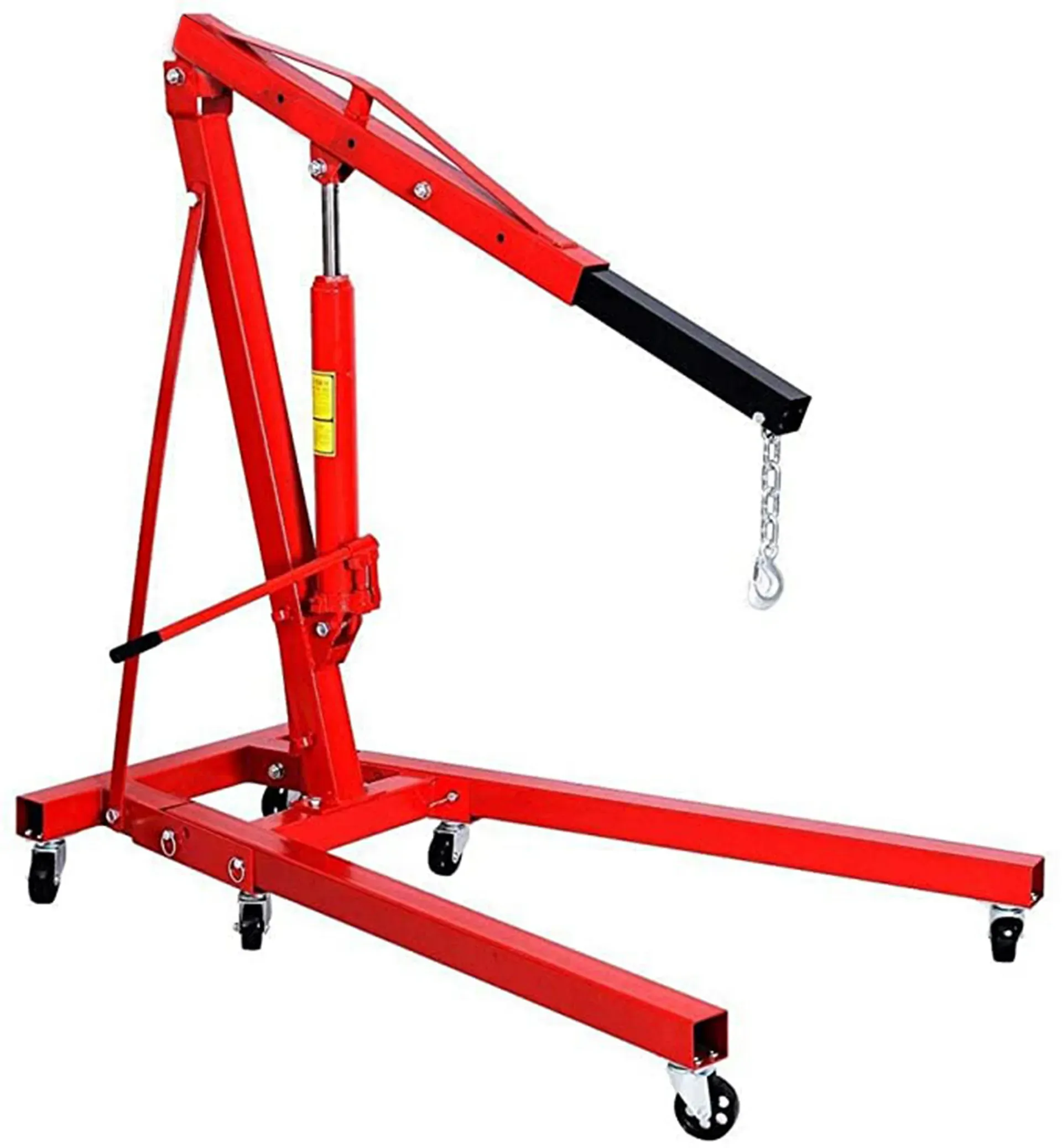
Hydraulic porta power sets, commonly referred to as hydraulic spreaders or portable hydraulic tools, represent a crucial component within maintenance, repair, and overhaul (MRO) operations, disaster response, and industrial assembly. These self-contained hydraulic systems provide significant mechanical advantage for a wide range of applications, including bending, spreading, pressing, and lifting. Positioned as a versatile alternative to traditional mechanical methods requiring substantial manual force, the porta power set bridges a gap between lightweight hand tools and heavy, stationary hydraulic presses. Core performance characteristics are defined by output force (measured in tons), stroke length, and operating pressure. A primary industry pain point centers around ensuring consistent and reliable performance in harsh environments – often involving exposure to dust, debris, temperature extremes, and corrosive substances – while maintaining operator safety and minimizing downtime. Modern porta power sets increasingly integrate features such as quick-connect hydraulic fittings, lightweight materials, and robust cylinder designs to address these challenges.
Material Science & Manufacturing
The performance and longevity of a porta power set are critically dependent on the material science and manufacturing processes employed. The hydraulic cylinder, a core component, is typically constructed from high-strength alloy steel (e.g., 4140, 8620) chosen for its exceptional yield strength, tensile strength, and resistance to fatigue. These steels undergo heat treatment processes – including hardening and tempering – to optimize their mechanical properties. The cylinder bore is honed to a precise surface finish to minimize friction and prevent seal degradation. Hydraulic fluid, typically a mineral oil-based formulation with viscosity grades ranging from ISO 32 to ISO 68, is selected for its lubricity, thermal stability, and corrosion inhibition properties. Seals are commonly manufactured from nitrile rubber (NBR) or hydrogenated nitrile butadiene rubber (HNBR) due to their compatibility with hydraulic fluids and resistance to abrasion. The pump housing and associated components are often constructed from cast iron or aluminum alloy, selected for their strength-to-weight ratio and castability. Manufacturing processes involve precision machining, welding (typically shielded metal arc welding - SMAW, or gas metal arc welding - GMAW), and assembly under controlled conditions. Critical parameters during manufacturing include maintaining tight tolerances on cylinder dimensions, ensuring weld integrity (through non-destructive testing methods like radiographic inspection), and rigorously testing the hydraulic system for leaks and performance characteristics. The quality of the hydraulic fluid is paramount; contamination with particulate matter or water can lead to premature wear and failure of system components.
Performance & Engineering
The performance of a porta power set is fundamentally governed by Pascal’s Law, which states that pressure applied to a confined fluid is transmitted equally in all directions. Force amplification is achieved through the hydraulic cylinder, where a small input force applied to a small piston area generates a larger output force on a larger piston area. Engineering considerations include stress analysis of the cylinder under maximum load to prevent yielding or rupture. Finite element analysis (FEA) is frequently used to optimize cylinder design and identify potential stress concentration points. Environmental resistance is a critical factor; porta power sets operating in corrosive environments (e.g., marine applications, chemical processing plants) require corrosion-resistant coatings (e.g., zinc plating, powder coating) on exposed metal surfaces. The hydraulic fluid must also exhibit resistance to oxidation and degradation in the operating temperature range. Compliance requirements often dictate safety features such as pressure relief valves to prevent over-pressurization and cylinder retraction valves to prevent uncontrolled cylinder movement. Proper force analysis is essential for selecting the appropriate porta power set for a given application. Calculating the required force, considering factors such as material yield strength and desired deformation, ensures safe and effective operation. Furthermore, the stroke length of the cylinder must be adequate to accommodate the intended application. Fatigue life is a major concern, particularly in applications involving repetitive cycles; proper material selection, surface treatment, and cylinder design are crucial to maximizing fatigue resistance.
Technical Specifications
| Model Number | Maximum Working Pressure (psi) | Output Force (tons) | Stroke Length (inches) |
|---|---|---|---|
| PP-10 | 10,000 | 10 | 1.5 |
| PP-20 | 10,000 | 20 | 2.0 |
| PP-30 | 10,000 | 30 | 2.5 |
| PP-50 | 10,000 | 50 | 3.0 |
| PP-100 | 10,000 | 100 | 4.0 |
| PP-150 | 10,000 | 150 | 5.0 |
Failure Mode & Maintenance
Failure modes in porta power sets commonly include hydraulic leaks, cylinder seal failure, pump failure, and structural damage to the cylinder or pump housing. Hydraulic leaks can arise from loose fittings, damaged seals, or cracks in hydraulic lines. Cylinder seal failure is often caused by abrasion, wear, or incompatibility with the hydraulic fluid. Pump failure can result from contamination of the hydraulic fluid, cavitation, or mechanical wear of pump components. Structural damage can occur due to overloads, impact damage, or fatigue cracking. Failure analysis typically involves visual inspection, pressure testing, and fluid analysis to identify the root cause of the failure. Preventive maintenance is critical to maximizing the lifespan and reliability of a porta power set. This includes regularly checking hydraulic fluid levels and condition, inspecting hydraulic lines and fittings for leaks, lubricating moving parts, and cleaning the exterior surfaces to remove dirt and debris. Hydraulic fluid should be replaced according to the manufacturer’s recommendations (typically every 6-12 months). Seals should be inspected and replaced periodically, especially if evidence of leakage is observed. Cylinders should be inspected for signs of corrosion or damage. Proper storage is also essential; porta power sets should be stored in a clean, dry environment to prevent corrosion and contamination. Never exceed the rated working pressure of the system, and always use appropriate personal protective equipment (PPE) during operation.
Industry FAQ
Q: What is the impact of hydraulic fluid viscosity on porta power set performance?
A: Hydraulic fluid viscosity directly affects the efficiency and response time of the porta power set. Lower viscosity fluids offer reduced resistance to flow, resulting in faster cycle times, particularly at lower temperatures. However, excessively low viscosity can lead to increased leakage and reduced lubrication. Higher viscosity fluids provide better sealing and lubrication but may result in slower cycle times and increased energy consumption. The optimal viscosity grade depends on the operating temperature range and the specific application requirements.
Q: How can I prevent corrosion in a porta power set used in a marine environment?
A: Marine environments are highly corrosive. Prevention strategies include utilizing corrosion-resistant materials (e.g., stainless steel cylinders, aluminum alloy pump housings), applying protective coatings (e.g., epoxy coatings, zinc plating), and regularly rinsing the unit with fresh water after exposure to saltwater. The hydraulic fluid should also contain corrosion inhibitors specifically formulated for marine applications. Proper storage when not in use is crucial.
Q: What are the common causes of cylinder drift, and how can it be addressed?
A: Cylinder drift, or the tendency of the cylinder to slowly extend or retract under load, is often caused by internal leakage past the cylinder seals or piston. Common causes include worn or damaged seals, contamination of the hydraulic fluid, or scoring of the cylinder bore. Addressing this requires inspecting and replacing the seals, filtering the hydraulic fluid, and potentially honing or replacing the cylinder bore if it is damaged.
Q: What is the significance of the pressure relief valve, and how should it be tested?
A: The pressure relief valve is a critical safety component that prevents over-pressurization of the hydraulic system, protecting both the equipment and the operator. It should be tested regularly to ensure it functions correctly. Testing typically involves applying pressure to the system until the relief valve activates, verifying that the pressure does not exceed the set point. A pressure gauge is essential for this procedure.
Q: What type of hydraulic fluid is compatible with NBR seals, and what are the considerations for long-term storage?
A: Mineral oil-based hydraulic fluids are generally compatible with NBR seals. Avoid using fluids containing additives incompatible with NBR, such as certain types of phosphate esters. For long-term storage, ensure the hydraulic fluid is clean and filtered. Add a corrosion inhibitor to the fluid. Operate the pump briefly every few months to circulate the fluid and prevent seal stiction. Store the unit in a dry, temperature-controlled environment.
Conclusion
Porta power sets represent a vital technology for applications requiring portable, high-force hydraulic actuation. Their effectiveness hinges upon a robust interplay of material science, precise manufacturing processes, and diligent maintenance practices. Understanding the core principles of hydraulic operation, potential failure modes, and relevant industry standards is paramount for ensuring safe, reliable, and long-lasting performance. The continued evolution of porta power set designs focuses on enhancing force output, reducing weight, and improving resistance to harsh environmental conditions.
Future developments will likely concentrate on integrating smart features, such as pressure sensors and data logging capabilities, to facilitate predictive maintenance and optimize system performance. Furthermore, the adoption of more sustainable hydraulic fluids and materials will become increasingly important in response to growing environmental concerns. By adhering to stringent quality control measures and embracing continuous improvement strategies, manufacturers can continue to deliver porta power sets that meet the evolving needs of diverse industrial applications.
