Introduction
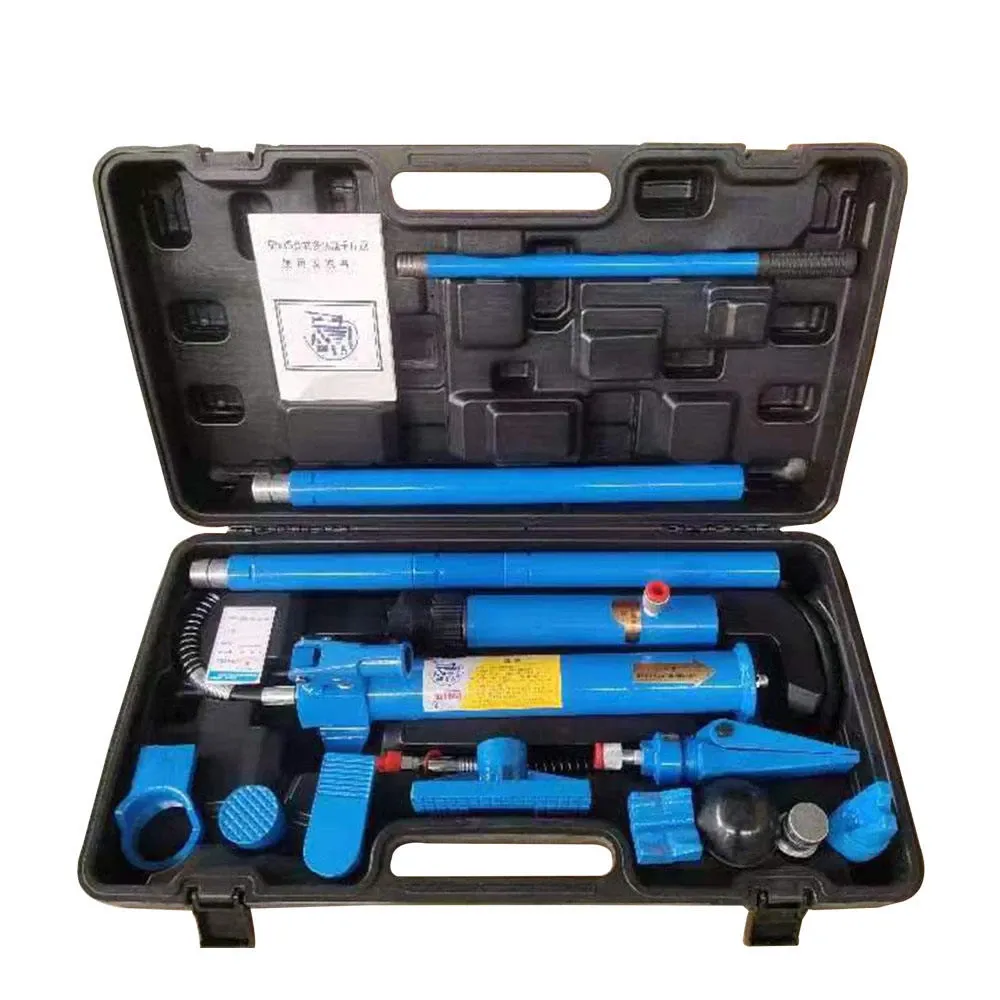
Hydraulic porta power tools, commonly referred to as portable hydraulic power units, represent a critical component in a wide array of industrial maintenance, repair, and operations (MRO) applications. Situated within the broader landscape of hydraulic systems, these tools bridge the gap between stationary hydraulic power sources and remote work locations. Their function centers on generating significant mechanical force via a hydraulic medium, enabling tasks such as lifting, bending, spreading, and punching materials that would be intractable with manual methods. Core performance characteristics include output force (measured in tons), stroke length, operational pressure (typically in PSI or MPa), and portability. A primary industry pain point revolves around ensuring consistent performance in harsh environments – particularly resistance to contamination, corrosion, and extreme temperatures – and maintaining reliable operation despite demanding duty cycles. Selection hinges on precise application requirements, considering material properties, required force, and accessibility constraints.
Material Science & Manufacturing
Porta power tools are predominantly constructed from high-strength steel alloys, specifically AISI 1045 or equivalent carbon steels for the cylinder body, piston, and pump components. These materials offer a balance of tensile strength, yield strength, and machinability crucial for withstanding the immense pressures generated during operation. The hydraulic fluid typically employed is a mineral oil-based hydraulic fluid conforming to ISO VG 32 or VG 46 standards, chosen for its lubricity, viscosity index, and compatibility with sealing materials. Manufacturing processes center around precision machining of the cylinder and piston assembly, often utilizing Computer Numerical Control (CNC) turning and milling. The hydraulic pump, typically a gear pump or piston pump, undergoes rigorous quality control to ensure volumetric efficiency and minimize leakage. Seals are commonly manufactured from nitrile rubber (NBR) or Viton (FKM) offering resistance to hydraulic fluids and temperature variations. Critical parameter control during manufacturing focuses on maintaining tight tolerances on cylinder bore diameter, piston surface finish, and seal compression. Welding processes, where utilized for structural components, must adhere to AWS D1.1 standards to ensure weld integrity and prevent catastrophic failure. Heat treatment processes such as quenching and tempering are applied to steel components to achieve desired hardness and toughness.
Performance & Engineering
The performance of a porta power tool is governed by Pascal’s Law, which dictates that pressure applied to a confined fluid is transmitted equally in all directions. The engineering design focuses on maximizing force output while minimizing hydraulic losses. Force calculation relies on the formula F = P x A, where F is force, P is pressure, and A is the piston area. The hydraulic pump's volumetric efficiency directly impacts the overall force delivered, as leakage reduces the effective fluid volume per cycle. Environmental resistance is a key engineering consideration. Corrosion prevention measures, such as surface coatings (zinc plating, epoxy coating) and selection of corrosion-resistant materials, are vital for operation in humid or corrosive environments. The tool’s structural integrity is analyzed via Finite Element Analysis (FEA) to ensure it can withstand maximum operating pressures without deformation or fracture. Compliance requirements include adherence to ASME B30.20 standards for hydraulic tools, covering design, construction, inspection, and maintenance. Functional implementation considerations involve minimizing operator fatigue through ergonomic handle designs and ensuring safe operation via pressure relief valves and quick-disconnect couplings.
Technical Specifications
| Model Number | Output Force (tons) | Operating Pressure (PSI) | Stroke Length (inches) |
|---|---|---|---|
| PP-100 | 10 | 10,000 | 2.5 |
| PP-250 | 25 | 10,000 | 3.5 |
| PP-500 | 50 | 10,000 | 5 |
| PP-1000 | 100 | 10,000 | 6 |
| PP-2000 | 200 | 10,000 | 8 |
| PP-3000 | 300 | 10,000 | 10 |
Failure Mode & Maintenance
Common failure modes in porta power tools include hydraulic fluid leakage due to seal degradation, cylinder drift resulting from internal leakage past the piston seals, pump cavitation caused by insufficient fluid supply or contaminated fluid, and structural failure of the cylinder or pump housing due to overpressure or material fatigue. Fatigue cracking can occur in high-stress areas, such as the cylinder base and pump mounting points. Corrosion, particularly in exposed components, can lead to pitting and reduced component strength. Oxidation of the hydraulic fluid can lead to viscosity changes and sludge formation, impairing pump performance. Preventive maintenance is crucial. Regularly check hydraulic fluid levels and condition, replacing fluid according to manufacturer's recommendations (typically every 6-12 months). Inspect seals for wear or damage and replace as needed. Lubricate moving parts to reduce friction and wear. Periodically inspect the cylinder for any signs of bending or cracking. A thorough inspection of the hydraulic hoses for abrasions, bulges, and leaks is also required. Proper storage in a clean, dry environment is critical to prevent corrosion and contamination. If a tool is used in a corrosive environment, consider applying a protective coating to exposed surfaces. Pressure relief valves should be tested periodically to ensure proper functionality.
Industry FAQ
Q: What is the significance of the hydraulic fluid viscosity grade in a porta power tool?
A: The hydraulic fluid viscosity grade (e.g., ISO VG 32, VG 46) directly influences the tool's performance and longevity. Lower viscosity fluids offer reduced resistance to flow, enabling faster cycle times, but may offer less lubrication. Higher viscosity fluids provide better lubrication but increase flow resistance, potentially reducing speed and efficiency. Selecting the correct viscosity is crucial for optimal pump performance and seal compatibility, especially across varying operating temperatures.
Q: How does operating temperature affect the performance of a porta power tool?
A: Extreme temperatures significantly impact performance. Low temperatures can increase fluid viscosity, slowing cycle times and potentially leading to pump cavitation. High temperatures can reduce fluid viscosity, leading to increased leakage and reduced force output. Furthermore, high temperatures accelerate seal degradation and fluid oxidation. Selection of hydraulic fluid with an appropriate viscosity index and operating the tool within its specified temperature range are essential.
Q: What are the primary considerations for selecting a porta power tool for use in a corrosive environment?
A: When operating in corrosive environments, prioritize tools constructed from corrosion-resistant materials such as stainless steel or with protective coatings like zinc plating or epoxy. The hydraulic fluid must also be compatible with the corrosive agents present. Regular inspection for corrosion and prompt replacement of affected components are crucial. Consideration should be given to using corrosion inhibitors added to the hydraulic fluid.
Q: What is the role of the pressure relief valve, and how often should it be tested?
A: The pressure relief valve is a critical safety device that prevents overpressure in the hydraulic system, protecting the tool and the operator from potential damage or injury. It is designed to open and relieve pressure when the system exceeds its rated limit. The valve should be tested at least annually, or more frequently if the tool is used in demanding applications, to ensure it functions correctly and prevents overpressure scenarios.
Q: What are the key differences between single-acting and double-acting porta power tools?
A: Single-acting porta power tools exert force in one direction (typically extension) and rely on gravity or a spring to return the piston. Double-acting tools exert force in both directions (extension and retraction), providing greater control and speed. Double-acting tools are generally preferred for applications requiring precise positioning or repetitive cycles.
Conclusion
Porta power tools are indispensable assets for a multitude of industrial applications, providing a portable and efficient means of generating substantial mechanical force. Understanding the underlying principles of hydraulic operation, material science, and manufacturing processes is paramount for informed selection, effective maintenance, and safe operation. The choice of the appropriate tool hinges on a comprehensive assessment of application-specific requirements, including force demands, operating environment, and duty cycle.
Looking forward, advancements in materials science, particularly the development of lighter-weight and more corrosion-resistant alloys, will continue to drive improvements in porta power tool performance and durability. The integration of smart technologies, such as pressure sensors and data logging capabilities, will enable predictive maintenance and optimize tool utilization. Maintaining adherence to relevant industry standards and best practices remains crucial to ensure the long-term reliability and safety of these vital industrial tools.
