Introduction
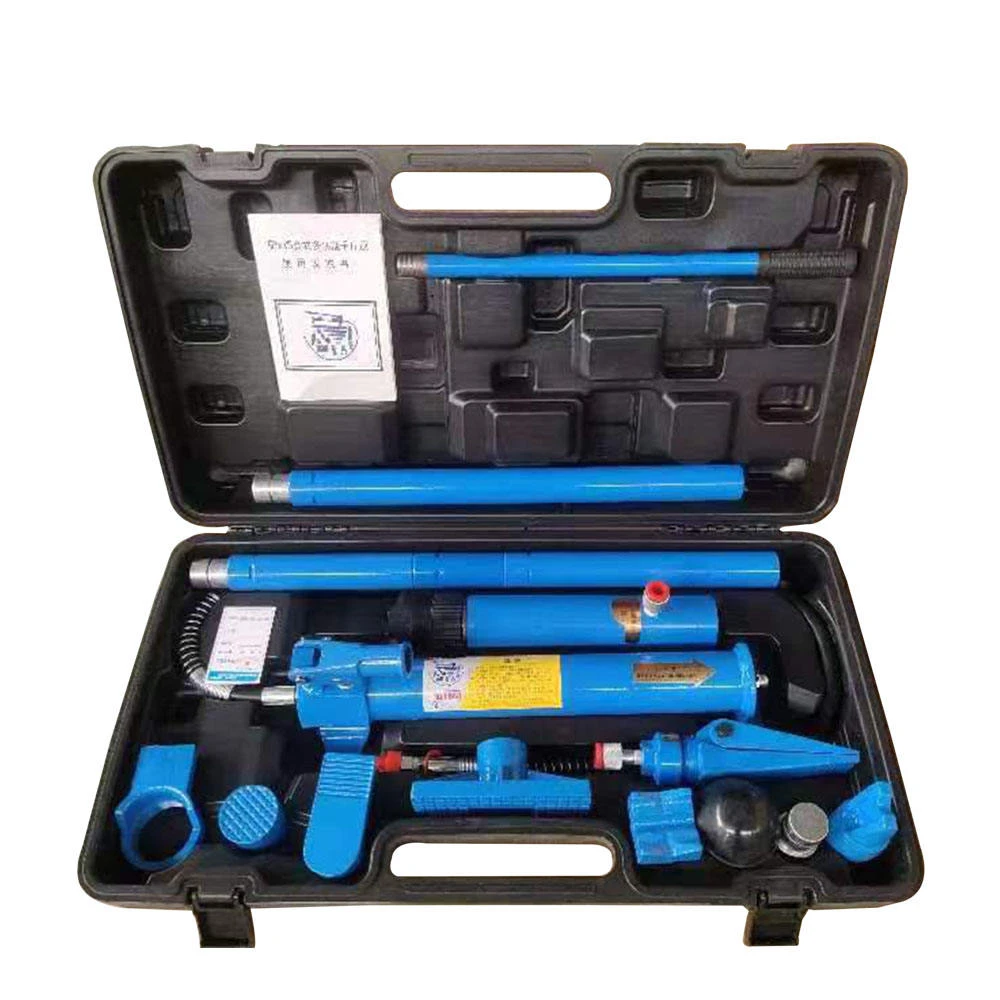
The ten-ton porta power, a hydraulic spreading and cutting tool, represents a critical component in rescue operations, industrial maintenance, and pre-tensioning applications. Its primary function is to apply substantial controlled force to separate materials or create space, typically in scenarios involving collapsed structures, vehicle extrication, or the dismantling of heavy machinery. Within the industrial chain, it bridges the gap between manual force application and heavy-duty mechanical operations, offering a portable and relatively rapid solution where cranes or dismantling equipment are impractical. Core performance characteristics center around its operational pressure, spreading force, cutting force, stroke length, and overall durability under cyclical loading. A key industry pain point is balancing portability with sufficient force output and maintaining consistent performance across a wide temperature range and under varying environmental conditions. The device’s success hinges on the integrity of its hydraulic system and the robustness of its structural components, addressing concerns of reliability and safety in high-stress situations.
Material Science & Manufacturing
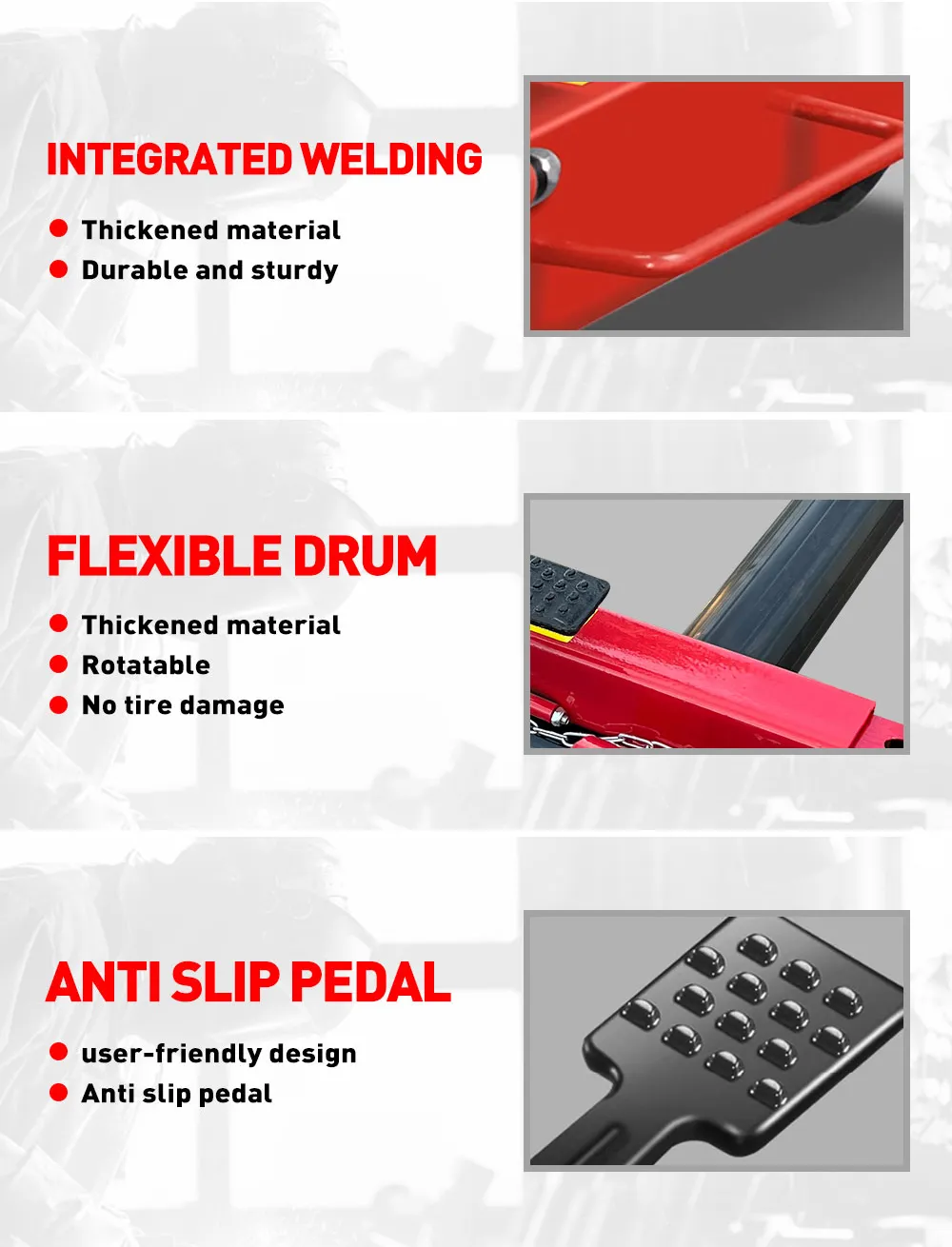
The construction of a ten-ton porta power relies heavily on high-strength alloy steels. The hydraulic cylinder body typically employs 4140 alloy steel, chosen for its excellent tensile strength (approximately 750 MPa), ductility, and hardenability. This allows for heat treatment to achieve optimal resistance to fatigue cracking under cyclical loading. Piston rods are often constructed from chromium-molybdenum alloy steel (e.g., 4130), surface hardened via induction hardening or chrome plating to enhance wear resistance and corrosion protection. Spreader jaws and cutting blades utilize hardened tool steels (e.g., D2 or AISI H13), renowned for their high hardness (RC 60-65) and resistance to abrasive wear. Manufacturing processes begin with precision machining of the cylinder body and piston rod, requiring tight tolerances to ensure a proper seal and smooth operation. Hydraulic cylinders are assembled using a combination of press fitting and threading, secured with Loctite or similar thread-locking compounds. The hydraulic fluid employed is typically a mineral oil-based hydraulic fluid with anti-wear additives and a viscosity appropriate for the operating temperature range. Welding is used extensively in the fabrication of spreader arms and structural supports. Shielded Metal Arc Welding (SMAW) or Gas Metal Arc Welding (GMAW) are common, utilizing low-hydrogen electrodes to prevent porosity and ensure weld integrity. Critical parameters monitored during manufacturing include material composition verification, heat treatment cycle control, surface finish inspection, and hydraulic system pressure testing. Maintaining consistent material properties and precise dimensional control is paramount to ensuring operational safety and reliability.
Performance & Engineering
The performance of a ten-ton porta power is governed by Pascal’s Law, which dictates that pressure applied to a confined fluid is transmitted equally in all directions. The force output is directly proportional to the hydraulic pressure and the effective area of the piston. Force analysis involves calculating the stress distribution within the spreader arms and cutting blades under maximum load. Finite Element Analysis (FEA) is frequently employed during the design phase to optimize geometry and minimize stress concentrations, preventing premature failure. Environmental resistance is a critical consideration. The hydraulic fluid must maintain its viscosity and lubricity across a wide temperature range, typically -20°C to 60°C. Seals are commonly made from Nitrile Butadiene Rubber (NBR) or Fluorocarbon rubber (Viton) to ensure compatibility with the hydraulic fluid and resistance to degradation from environmental factors. Compliance requirements often include adherence to safety standards such as EN 13688 (European standard for hydraulic rescue tools) or NFPA 1906 (Standard for Technical Rescue Vehicles). The tool's ergonomic design is also a significant engineering aspect. Handle geometry and trigger mechanisms are optimized to minimize operator fatigue and maximize control during operation. The cutting blades are engineered for maximum shearing efficiency, often featuring a tapered profile and hardened edges to penetrate materials with minimal force. The hydraulic system incorporates pressure relief valves to prevent over-pressurization and potential damage to the components. Cyclic loading is a major design consideration, demanding materials and components capable of withstanding repeated stress cycles without fatigue failure.
Technical Specifications
| Parameter | Value (Typical) | Unit | Test Standard |
|---|---|---|---|
| Spreading Force | 10,000 | lbs (44.48 kN) | ISO 6047 |
| Cutting Force | 8,000 | lbs (35.59 kN) | EN 13688 |
| Maximum Opening | 12 | inches (305 mm) | Manufacturer Specification |
| Stroke Length | 6 | inches (152 mm) | Manufacturer Specification |
| Operating Pressure | 700 | bar (10,000 psi) | ASTM D2104 |
| Hydraulic Fluid Capacity | 0.5 | liters | Manufacturer Specification |
Failure Mode & Maintenance
Common failure modes in ten-ton porta powers include hydraulic fluid leaks, seal degradation, piston rod corrosion, and structural fatigue cracking. Hydraulic fluid leaks often originate from worn seals, loose fittings, or damage to the hydraulic lines. Seal degradation is accelerated by exposure to extreme temperatures, UV radiation, and contamination. Piston rod corrosion can occur in humid environments, particularly if the chrome plating is compromised. Structural fatigue cracking typically initiates at stress concentration points, such as weld joints or areas with sharp corners. Delamination of the spreader jaws or cutting blades can occur due to repeated impact loading. Oxidation of the hydraulic fluid can lead to sludge formation and reduced performance. Maintenance procedures involve regular inspection of hydraulic lines, fittings, and seals for leaks or damage. Hydraulic fluid should be replaced annually or as recommended by the manufacturer. Piston rods should be cleaned and lubricated to prevent corrosion. Spreader arms and cutting blades should be inspected for cracks or deformation. Worn or damaged seals should be replaced immediately. Proper storage is crucial; the tool should be stored in a clean, dry environment to prevent corrosion. Regular cycling of the tool under minimal load can help maintain seal integrity. A preventative maintenance schedule that includes torque checks on critical fasteners is also recommended. Comprehensive failure analysis of returned units can identify design weaknesses and improve future iterations.
Industry FAQ
Q: What is the impact of hydraulic fluid viscosity on performance in cold weather?
A: Lower temperatures increase hydraulic fluid viscosity, reducing flow rate and potentially slowing down operation. This can also increase the force required to initiate movement. Selecting a hydraulic fluid with a low pour point and appropriate viscosity index is crucial for cold-weather performance. Pre-heating the hydraulic fluid may be necessary in extremely cold conditions.
Q: How does the material composition of the spreader jaws affect their resistance to deformation?
A: The hardness and tensile strength of the jaw material are primary determinants of deformation resistance. Hardened tool steels, such as D2, provide excellent resistance to permanent deformation, but can be more brittle. A balance between hardness and toughness is essential. Heat treatment processes significantly influence these properties.
Q: What are the primary causes of seal failure in porta power hydraulic cylinders?
A: Seal failure is often attributed to several factors including exceeding pressure limits, temperature extremes, abrasive contamination in the hydraulic fluid, and incompatibility between the seal material and the hydraulic fluid. Regular fluid changes and proper filtration are vital for extending seal life.
Q: How does the design of the handle impact operator fatigue during prolonged use?
A: Ergonomic handle design, incorporating features such as cushioned grips and optimized leverage, significantly reduces operator fatigue. Weight distribution and the angle of the handles also play a crucial role in minimizing strain. Properly designed handles allow for efficient force application with minimal effort.
Q: What are the implications of using an improper hydraulic fluid?
A: Using an incorrect hydraulic fluid can lead to a range of problems, including seal swelling or degradation, reduced lubrication, corrosion of internal components, and decreased system performance. Always adhere to the manufacturer's recommended fluid specification.
Conclusion
The ten-ton porta power remains an indispensable tool across diverse industries, relying on a synergistic combination of material science, precision manufacturing, and robust engineering principles. Its effective operation demands a thorough understanding of hydraulic mechanics, material properties, and potential failure modes. Ensuring long-term reliability necessitates rigorous adherence to preventative maintenance schedules and the utilization of high-quality hydraulic fluids and replacement parts.
Future advancements in porta power technology are likely to focus on lightweight materials, improved hydraulic system efficiency, and integrated sensor systems for real-time performance monitoring. Optimizing the tool’s ergonomics and incorporating features such as wireless remote control could further enhance operator safety and productivity. Continuous refinement of material selection and manufacturing processes will remain paramount to achieving higher force outputs, increased durability, and reduced overall weight.
