installing oil seals
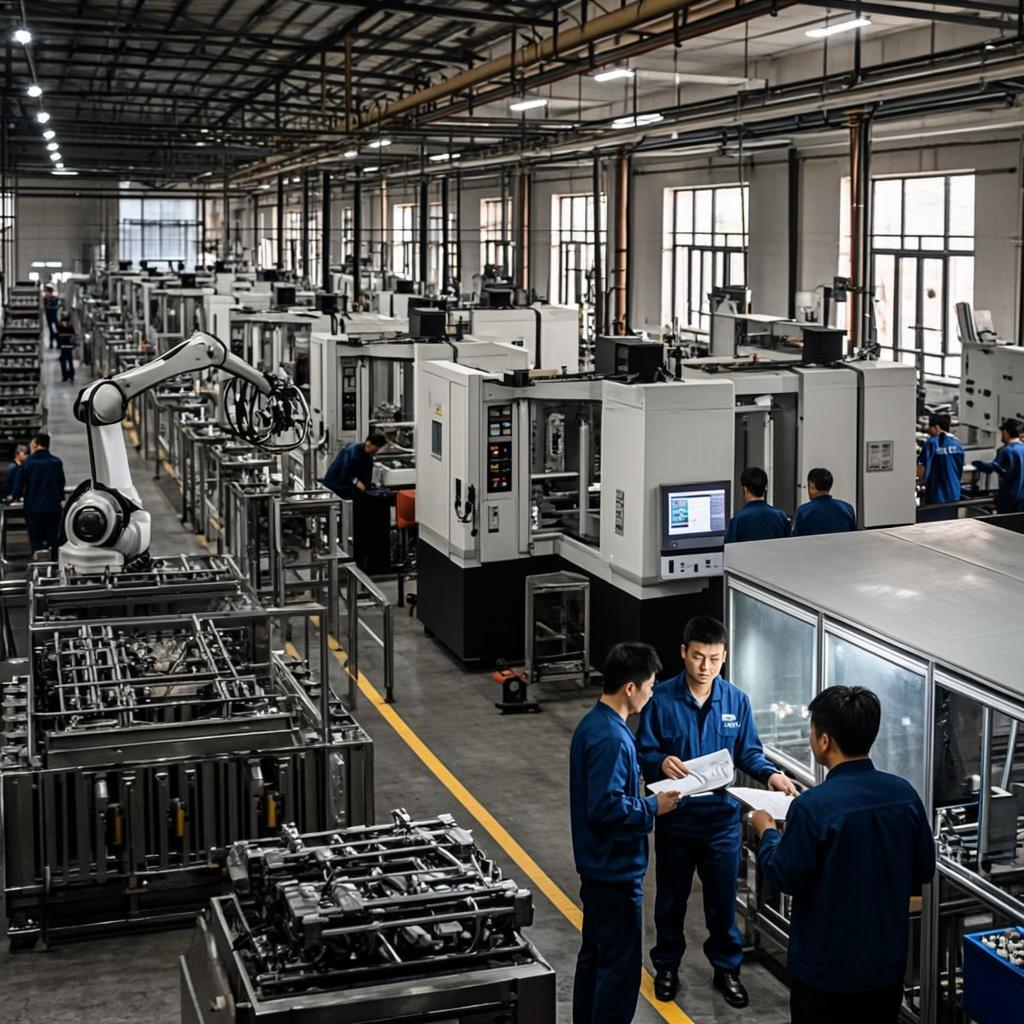

Installing Oil Seals
Installing oil seals is a critical process in ensuring the longevity and efficiency of various machinery and automotive applications. These seals play a vital role in preventing leaks, protecting components from contaminants, and maintaining optimal performance. Our high-quality oil seals are designed for durability and reliability, making them an essential choice for industries ranging from automotive to manufacturing.
Key Features
- Durable Materials: Our oil seals are made from high-grade elastomers and polymers that withstand extreme temperatures and pressures.
- Precision Engineering: Each seal is manufactured to exact specifications, ensuring a perfect fit and optimal sealing performance.
- Wide Range of Sizes: We offer a diverse selection of oil seals suitable for various applications and machinery types.
- Easy Installation: Designed for straightforward installation, our oil seals reduce downtime and enhance productivity.
- Custom Solutions: Tailored solutions are available to meet specific sealing requirements for unique applications.
Technical Specifications
| Specification | Details |
|---|---|
| Material | Nitrile Rubber (NBR), Fluoroelastomer (FKM), or Silicone |
| Temperature Range | -40°C to +200°C |
| Pressure Resistance | Up to 15 bar |
| Size Range | From 10mm to 150mm inner diameter |
| Compliance | ISO 9001 Certified |
Application Scenarios
Installing oil seals is crucial across various industries, including:
- Automotive: Used in engines, transmissions, and differentials to prevent oil leaks and protect internal components.
- Aerospace: Essential for sealing in aircraft engines and hydraulic systems, ensuring safety and efficiency.
- Manufacturing: Utilized in pumps, compressors, and heavy machinery to maintain lubrication and prevent contamination.
- Marine: Vital for sealing applications in boats and ships, protecting against seawater exposure.
- Industrial Equipment: Found in various machines where oil retention is critical for optimal functionality.
Advantages
The advantages of installing oil seals are numerous:
- Leak Prevention: Oil seals effectively prevent leaks, which can lead to costly repairs and downtime.
- Contaminant Protection: They safeguard internal components from dust, dirt, and other contaminants that could cause damage.
- Enhanced Efficiency: Proper sealing ensures that machinery operates smoothly and efficiently, reducing energy consumption.
- Longevity: High-quality oil seals extend the life of machinery by reducing wear and tear on critical components.
- Cost-Effective: Investing in reliable oil seals minimizes maintenance costs and improves overall operational efficiency.
Why Choose Us
Our commitment to quality and customer satisfaction sets us apart in the industry:
- Expertise: With years of experience in the field, our team understands the intricacies of installing oil seals across various applications.
- Quality Assurance: Our products undergo rigorous testing to meet international standards, ensuring reliability and performance.
- Customer-Centric Approach: We prioritize our clients' needs, providing tailored solutions and prompt support.
- Global Reach: We serve clients worldwide, facilitating international trade with efficiency and expertise.
- Competitive Pricing: Our pricing strategy is designed to offer the best value without compromising quality.
FAQ
1. What are oil seals made of?
Oil seals are commonly made from materials like nitrile rubber (NBR), fluoroelastomer (FKM), and silicone, which offer excellent resistance to oil, heat, and wear.
2. How do I know which oil seal to choose?
Choosing the right oil seal depends on factors such as size, material compatibility, temperature range, and application requirements. Consult with our experts for tailored advice.
3. Can I install oil seals myself?
Yes, installing oil seals can be done by professionals or competent individuals with the right tools and knowledge. Ensure proper alignment and fitting to avoid damage.
4. What are the signs of a failing oil seal?
Common signs include oil leaks, visible wear on the seal, and reduced performance of the machinery. Regular inspection can help identify issues early.
5. Do you offer custom oil seals?
Yes, we provide custom solutions to meet specific sealing requirements for various applications. Contact us to discuss your needs.
