Introduction
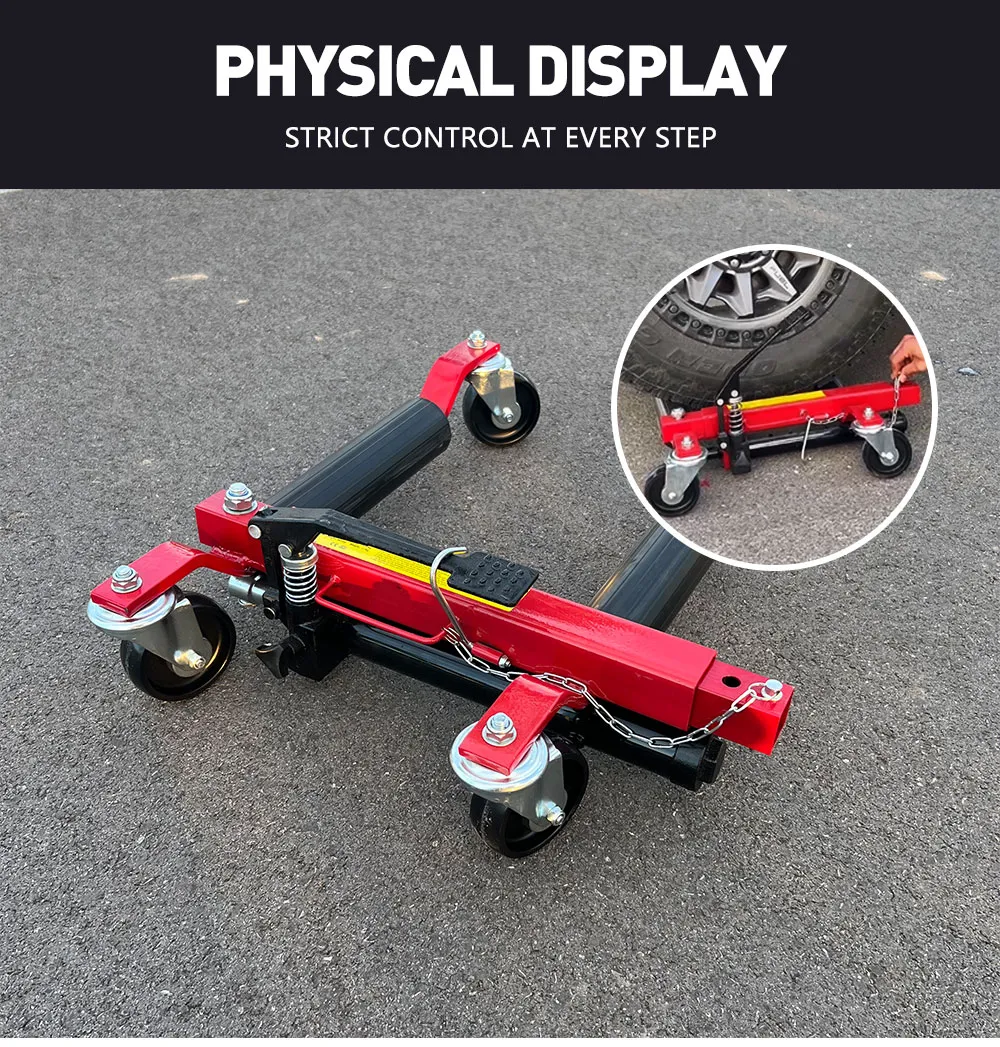
The 1.5-ton car jack is a ubiquitous piece of automotive equipment, functioning as a mechanical device used to lift vehicles for maintenance and repair. Its technical position within the automotive aftermarket and professional service industries is foundational; without reliable lifting mechanisms, tasks such as tire changes, brake repairs, and undercarriage inspections become significantly more challenging and potentially hazardous. This guide provides a comprehensive technical overview of these jacks, encompassing material science, manufacturing processes, performance characteristics, potential failure modes, and relevant industry standards. Core performance revolves around lifting capacity (1.5 tons or approximately 3300 lbs), lift range, stability under load, and operational safety. A key pain point within the industry is ensuring consistent quality control to prevent catastrophic failure during operation, and addressing long-term durability in diverse environmental conditions. Furthermore, adherence to safety standards is paramount, as improper jack usage can lead to severe vehicle damage, injury, or death.
Material Science & Manufacturing
The construction of a 1.5-ton car jack typically involves several key materials. The primary structural component, the jack body and lifting arm, is commonly constructed from carbon steel, specifically AISI 1045 or equivalent, chosen for its high tensile strength and weldability. Hydraulic cylinders utilize steel alloy tubes, often ASTM A519 Grade 1020, to withstand high internal pressures. Piston seals are typically manufactured from nitrile rubber (NBR) or hydrogenated nitrile butadiene rubber (HNBR) due to their excellent resistance to hydraulic fluids and abrasion. The jack handle is often constructed from steel tubing with a protective coating, such as zinc plating, to resist corrosion. Manufacturing processes include steel forging for high-stress components, precision machining for the hydraulic cylinder, and deep drawing for the jack base. Welding processes, primarily shielded metal arc welding (SMAW) or gas metal arc welding (GMAW), are critical for joining structural elements. Key parameter control during manufacturing involves precise heat treatment of steel components to achieve desired hardness and ductility, rigorous dimensional checks to ensure proper fit and function of moving parts, and hydraulic fluid leak testing. The hydraulic fluid itself is generally a mineral oil-based formulation with viscosity ranging from 32-46 cSt at 40°C, often incorporating corrosion inhibitors and anti-wear additives. Material compatibility between the hydraulic fluid and seals is essential to prevent swelling, degradation, and leakage.
Performance & Engineering
The performance of a 1.5-ton car jack is governed by principles of hydraulic mechanics and structural engineering. The lifting force is derived from Pascal’s Law, where pressure applied to a confined fluid is transmitted equally in all directions. Force analysis involves calculating the required piston area to generate the 1.5-ton lifting capacity, factoring in a substantial safety factor (typically 2:1 or higher). Environmental resistance is crucial; car jacks are frequently exposed to moisture, road salts, and temperature extremes. Corrosion prevention strategies include applying protective coatings (paint, powder coating, galvanizing) to steel components and selecting corrosion-resistant materials for seals and hydraulic fluid. Compliance requirements include adherence to ASME B30.1 (Slings, Alloys Chains, Synthetic Slings, and Attachments) and equivalent national standards regarding lifting equipment safety. The jack’s stability is determined by the base width and center of gravity; wider bases and lower centers of gravity enhance stability under load. Engineering details include the design of the release valve to control descent speed, the incorporation of safety overload mechanisms to prevent exceeding the rated capacity, and the geometry of the lifting saddle to ensure secure contact with the vehicle’s jacking points. Finite element analysis (FEA) is often used during the design phase to optimize structural integrity and minimize stress concentrations.
Technical Specifications
| Parameter | Specification | Testing Standard | Typical Tolerance |
|---|---|---|---|
| Lifting Capacity | 1.5 Ton (3300 lbs) | ASTM E4 | ±5% |
| Minimum Lifting Height | 130 mm (5.1 in) | Dimensional Measurement | ±2 mm |
| Maximum Lifting Height | 330 mm (13 in) | Dimensional Measurement | ±5 mm |
| Hydraulic Fluid Type | Mineral Oil (ISO VG 32-46) | ASTM D2422 | Viscosity within range |
| Cylinder Bore Diameter | 25 mm (0.98 in) | Dimensional Measurement | ±0.1 mm |
| Steel Grade (Body/Arm) | AISI 1045 / Equivalent | ASTM A36 | Chemical Composition Verified |
Failure Mode & Maintenance
Common failure modes for 1.5-ton car jacks include hydraulic fluid leaks, seal degradation, cylinder corrosion, and structural fatigue cracking. Hydraulic fluid leaks often originate from worn or damaged seals (NBR or HNBR) within the pump assembly or cylinder. Cylinder corrosion can occur due to moisture ingress and lack of corrosion inhibitors in the hydraulic fluid. Structural fatigue cracking typically initiates at stress concentration points, such as weld joints or areas of high load. Delamination of the jack saddle or baseplate can occur due to manufacturing defects or excessive corrosion. Oxidation of metallic components, particularly exposed steel surfaces, can lead to reduced strength and increased corrosion susceptibility. Preventive maintenance is critical. Regularly inspect for hydraulic fluid leaks, corrosion, and structural damage. Lubricate moving parts with appropriate grease. Periodically flush and replace the hydraulic fluid (every 12-24 months) to remove contaminants and maintain optimal performance. Ensure the jack is stored in a clean, dry environment to minimize corrosion. If a leak is detected, replace the affected seal(s). If structural cracks are identified, the jack should be immediately taken out of service and repaired or replaced. Avoid exceeding the rated lifting capacity and always use the jack on a level, stable surface.
Industry FAQ
Q: What is the optimal hydraulic fluid to use and can I substitute with a different viscosity grade?
A: The optimal hydraulic fluid is a mineral oil-based formulation conforming to ISO VG 32-46. While slight viscosity variations may be tolerated, deviating significantly can impact performance and potentially damage seals. Lower viscosity fluids can lead to increased leakage, while higher viscosity fluids can cause sluggish operation and increased stress on the pump. Always consult the manufacturer's recommendations.
Q: How can I assess the structural integrity of a used car jack before purchasing?
A: Thoroughly inspect all weld joints for cracks or signs of repair. Examine the lifting arm and baseplate for bending, deformation, or corrosion. Operate the jack through its full range of motion and listen for unusual noises (grinding, squeaking). Verify that the release valve functions smoothly and controls descent speed effectively. A visual inspection is crucial, but a load test (within safe limits) can further reveal any structural weaknesses.
Q: What safety precautions are essential when using a car jack?
A: Always use the jack on a level, hard surface. Engage the parking brake and chock the wheels to prevent rolling. Never work under a vehicle supported only by a jack; always use jack stands. Ensure the jack saddle is properly positioned on the vehicle's designated jacking point. Do not exceed the rated lifting capacity. Never attempt to modify the jack in any way.
Q: What is the typical lifespan of a hydraulic seal in a car jack?
A: The lifespan of a hydraulic seal varies depending on usage frequency, environmental conditions, and fluid quality. Typically, NBR seals can last 2-5 years, while HNBR seals offer improved durability and can last 5-8 years. Regular hydraulic fluid changes and proper storage can significantly extend seal life.
Q: What are the implications of using a corroded car jack?
A: A corroded car jack poses a significant safety risk. Corrosion weakens the structural components, reducing the lifting capacity and increasing the likelihood of catastrophic failure. Corrosion can also affect the operation of the hydraulic system, leading to leaks and reduced lifting power. A corroded jack should not be used and should be replaced or professionally refurbished.
Conclusion
The 1.5-ton car jack, while seemingly simple in its operation, is a critical piece of equipment relying on robust material science, precision manufacturing, and sound engineering principles. Its performance and safety are inextricably linked to the quality of materials, the integrity of manufacturing processes, and adherence to relevant industry standards. Understanding the potential failure modes and implementing a consistent maintenance schedule are vital to ensure reliable and safe operation.
Moving forward, advancements in materials technology, such as the increased use of high-strength, corrosion-resistant alloys and improved seal materials, will likely contribute to longer-lasting and more reliable car jacks. Furthermore, the integration of smart technologies, such as overload sensors and digital pressure gauges, could enhance safety and provide users with real-time performance data. Continued emphasis on stringent quality control and adherence to safety regulations will remain paramount to preventing accidents and protecting both users and vehicles.
