Introduction
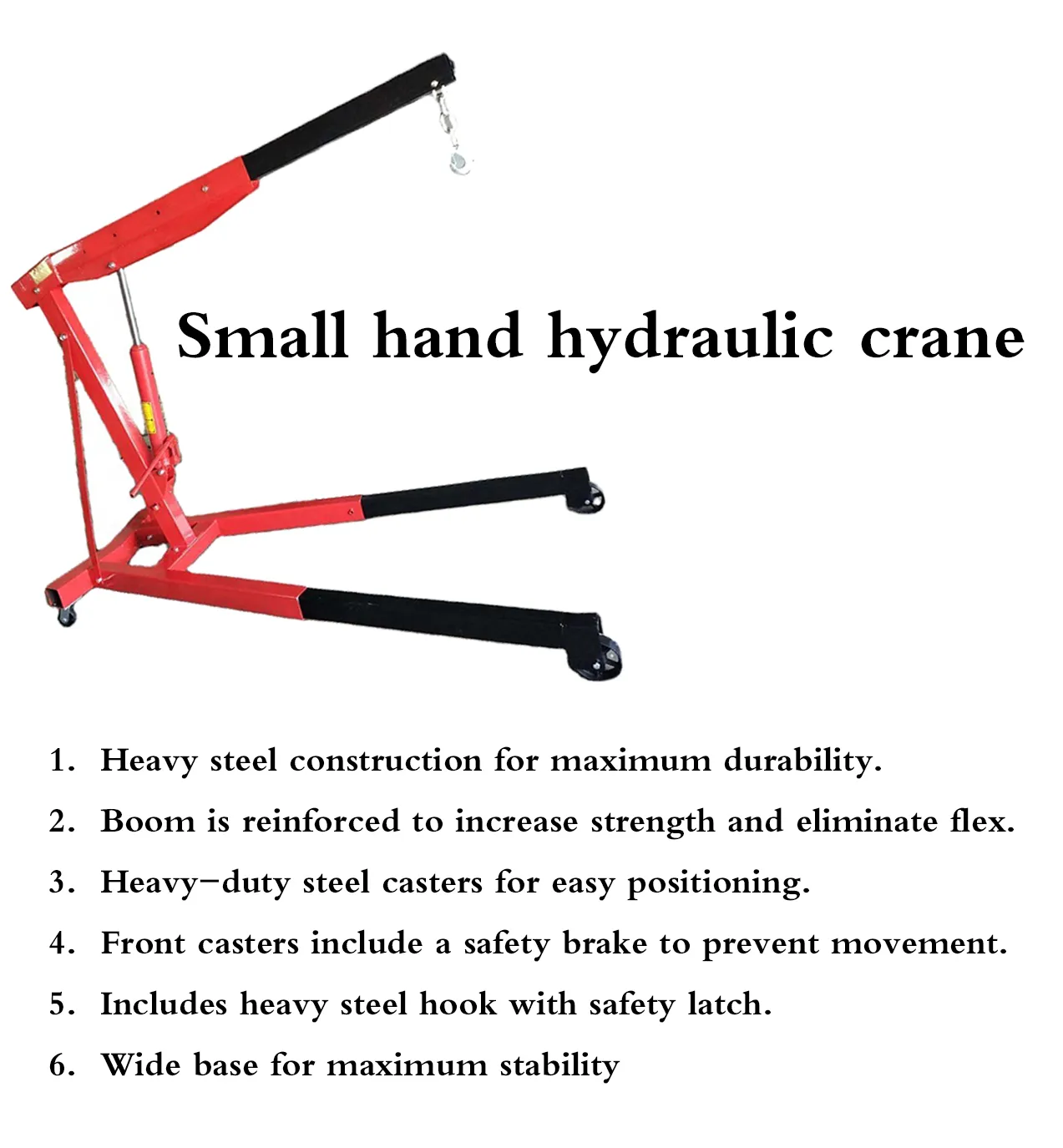
A car jack is a mechanical device utilized for lifting vehicles to facilitate maintenance and repair. Positioned within the automotive aftermarket and professional automotive service industries, the car jack serves as a crucial component for tire changes, undercarriage inspections, and other necessary vehicular procedures. Modern car jacks encompass a variety of technologies, including mechanical screw jacks, hydraulic floor jacks, and increasingly, electrically powered units. Core performance metrics include lifting capacity (tonnage), lifting height, stability under load, and operational ease. The design aims to provide a safe and reliable means of elevating a vehicle, overcoming the significant gravitational forces at play. A primary industry pain point is ensuring user safety through robust construction, inherent stability, and clear operational instructions, mitigating the risk of vehicle slippage and subsequent injury. Another is balancing cost-effectiveness with durability, as frequent replacements negatively impact profitability for both manufacturers and end-users.
Material Science & Manufacturing
The materials composing a car jack significantly influence its performance and longevity. High-strength steel, typically AISI 1045 or equivalent, is the dominant material for critical load-bearing components such as the lifting arm, saddle, and base. This steel is selected for its high yield strength (approximately 345 MPa) and tensile strength (approximately 560 MPa) after heat treatment, allowing it to withstand substantial compressive and bending forces. Hydraulic jacks incorporate hydraulic fluid – typically a mineral oil-based formulation with viscosity ranging from 30-50 cSt at 40°C – which must exhibit excellent lubricity and corrosion resistance. Seals are commonly manufactured from nitrile butadiene rubber (NBR) due to its compatibility with hydraulic fluids and resistance to abrasion. Manufacturing processes vary by jack type. Mechanical screw jacks often utilize forging for the lifting arm and base, followed by machining to achieve precise dimensions. Hydraulic jacks involve deep drawing for the jack body, precision honing of the hydraulic cylinder, and welding processes (SMAW or GMAW) to assemble the various components. Critical parameter control during manufacturing includes weld integrity (ensuring full penetration and minimal porosity), heat treatment consistency (achieving the desired hardness and toughness in steel components), and seal precision (minimizing leakage and maintaining hydraulic pressure). Surface treatments like phosphating or powder coating are applied to prevent corrosion and enhance durability.
Performance & Engineering
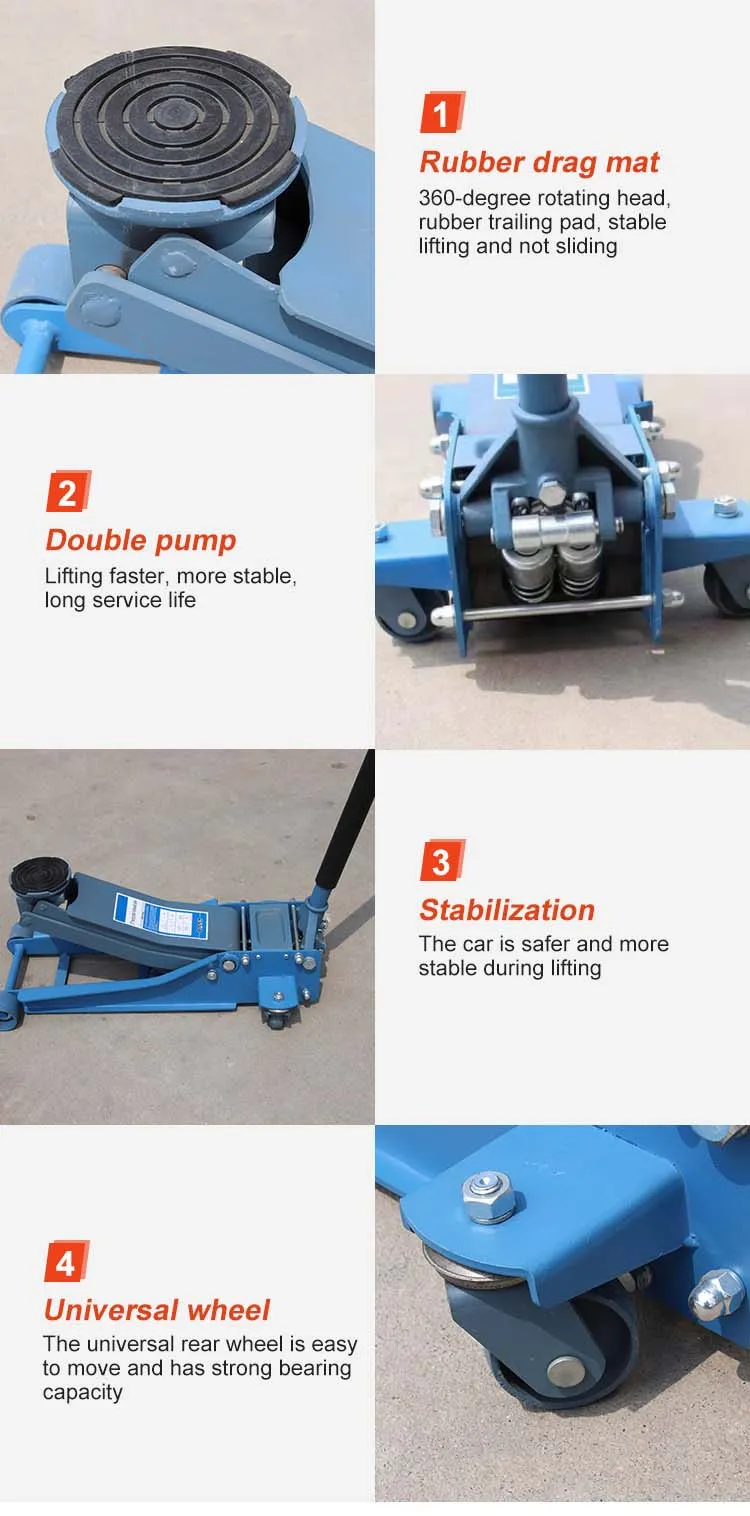
The engineering performance of a car jack is dictated by force analysis, environmental resistance, and adherence to safety regulations. A key consideration is the stress distribution within the lifting arm under load. Finite Element Analysis (FEA) is frequently employed to optimize the arm's geometry and material thickness, minimizing stress concentrations and preventing yielding or fracture. Stability is critical; the base footprint must be sufficiently large to prevent tipping during operation. The center of gravity must be carefully positioned to enhance inherent stability. Environmental resistance is paramount. Car jacks are routinely exposed to moisture, road salt, and temperature extremes. Corrosion prevention strategies include the use of corrosion-resistant steels, protective coatings (zinc plating, powder coating), and sealing of critical components. Compliance requirements vary by region, but generally include adherence to ASME PALD standards for lifting devices and local safety regulations regarding load capacity and stability. The hydraulic system, in hydraulic jacks, requires careful engineering to maintain consistent lifting speed and prevent pressure drops. Valve design and cylinder tolerances are optimized to ensure smooth and controlled operation. Pump efficiency is also a key performance metric, directly impacting the number of pumping strokes required to reach the desired lifting height.
Technical Specifications
| Lifting Capacity (Tons) | Minimum Lifting Height (mm) | Maximum Lifting Height (mm) | Hydraulic Pressure (MPa) - Hydraulic Jacks |
|---|---|---|---|
| 2 | 80 | 380 | 7 |
| 3 | 75 | 465 | 8 |
| 5 | 60 | 520 | 9 |
| 2.5 | 90 | 420 | 7.5 |
| 4 | 85 | 490 | 8.5 |
| 6 | 70 | 580 | 10 |
Failure Mode & Maintenance
Car jack failure modes typically fall into several categories. Fatigue cracking can occur in the lifting arm, particularly around weld points, due to repeated stress cycles. Delamination of the hydraulic seals in hydraulic jacks leads to pressure loss and diminished lifting capacity. Degradation of the hydraulic fluid due to contamination or oxidation reduces lubricity and increases wear on internal components. Corrosion, especially in exposed steel parts, weakens the structure and can lead to catastrophic failure. Shear failure of the lifting screw in mechanical jacks results from exceeding the load capacity or using excessive force. Maintenance is crucial to prevent these failures. Regular inspection of the lifting arm for cracks or deformation is essential. Hydraulic jacks require periodic fluid changes (typically every 1-2 years) and seal replacement. Lubrication of moving parts, such as the lifting screw in mechanical jacks, reduces friction and wear. Proper storage in a clean, dry environment prevents corrosion. Avoid exceeding the stated load capacity, and always use the jack on a level, stable surface. For hydraulic jacks, bleeding the system to remove air bubbles is also vital for optimal performance.
Industry FAQ
Q: What is the primary factor influencing the lifespan of a hydraulic jack?
A: The primary factor influencing the lifespan of a hydraulic jack is the quality and maintenance of the hydraulic fluid and seals. Contaminated or degraded fluid leads to increased wear on the pump and cylinder, while failing seals result in pressure loss. Regular fluid changes and seal replacements are crucial for longevity.
Q: How does the steel grade affect the load-bearing capacity of a mechanical jack?
A: Higher steel grades with increased yield and tensile strength directly correlate to a higher load-bearing capacity. Using a steel like AISI 1045, properly heat-treated, allows the jack to withstand greater compressive and bending forces without permanent deformation or failure.
Q: What are the risks associated with using a car jack on an uneven surface?
A: Using a car jack on an uneven surface significantly increases the risk of instability and potential vehicle slippage. This can lead to damage to the vehicle and serious injury to personnel. Always ensure the jack is placed on a firm, level surface before lifting.
Q: What is the purpose of the safety valve in a hydraulic jack?
A: The safety valve is a critical safety feature designed to prevent overloading. It automatically releases hydraulic pressure if the jack exceeds its rated capacity, preventing catastrophic failure and potential injury. It’s a pressure relief mechanism.
Q: How often should a car jack be inspected for wear and tear?
A: A car jack should be inspected before each use. Look for signs of corrosion, cracks, deformation, or fluid leaks. A more thorough inspection, including checking for loose bolts and worn seals, should be performed at least annually, or more frequently with heavy use.
Conclusion
The car jack, though seemingly simple, represents a sophisticated application of material science, mechanical engineering, and manufacturing precision. Its core function – safe and reliable vehicle lifting – demands a meticulous approach to design, production, and maintenance. The selection of appropriate steel grades, hydraulic fluids, and sealing materials, coupled with robust manufacturing processes and stringent quality control, are fundamental to ensuring optimal performance and longevity.
Looking forward, advancements in car jack technology are likely to focus on increased automation, enhanced safety features (such as automatic locking mechanisms), and the integration of smart sensors for load monitoring and predictive maintenance. Ultimately, the goal remains to provide a dependable and user-friendly tool that minimizes risk and maximizes efficiency in automotive service and repair. Adherence to established industry standards and a commitment to continuous improvement will be crucial for maintaining the integrity and reliability of car jacks in the years to come.
