Introduction
Car jack and jack stand combos are critical components in automotive maintenance and repair, providing a safe and stable method for lifting and supporting vehicles. Unlike a jack alone, which is designed for lifting only, jack stands are essential for holding the vehicle’s weight during extended periods, such as when changing tires, performing brake work, or conducting undercarriage inspections. This guide provides a comprehensive technical overview of these systems, covering material science, manufacturing processes, performance characteristics, potential failure modes, and relevant industry standards. The core pain point in this industry centers around ensuring structural integrity and preventing catastrophic failure under load – a failure that could lead to severe injury or death. Therefore, a deep understanding of the engineering principles and material properties involved is paramount for both manufacturers and end-users.
Material Science & Manufacturing
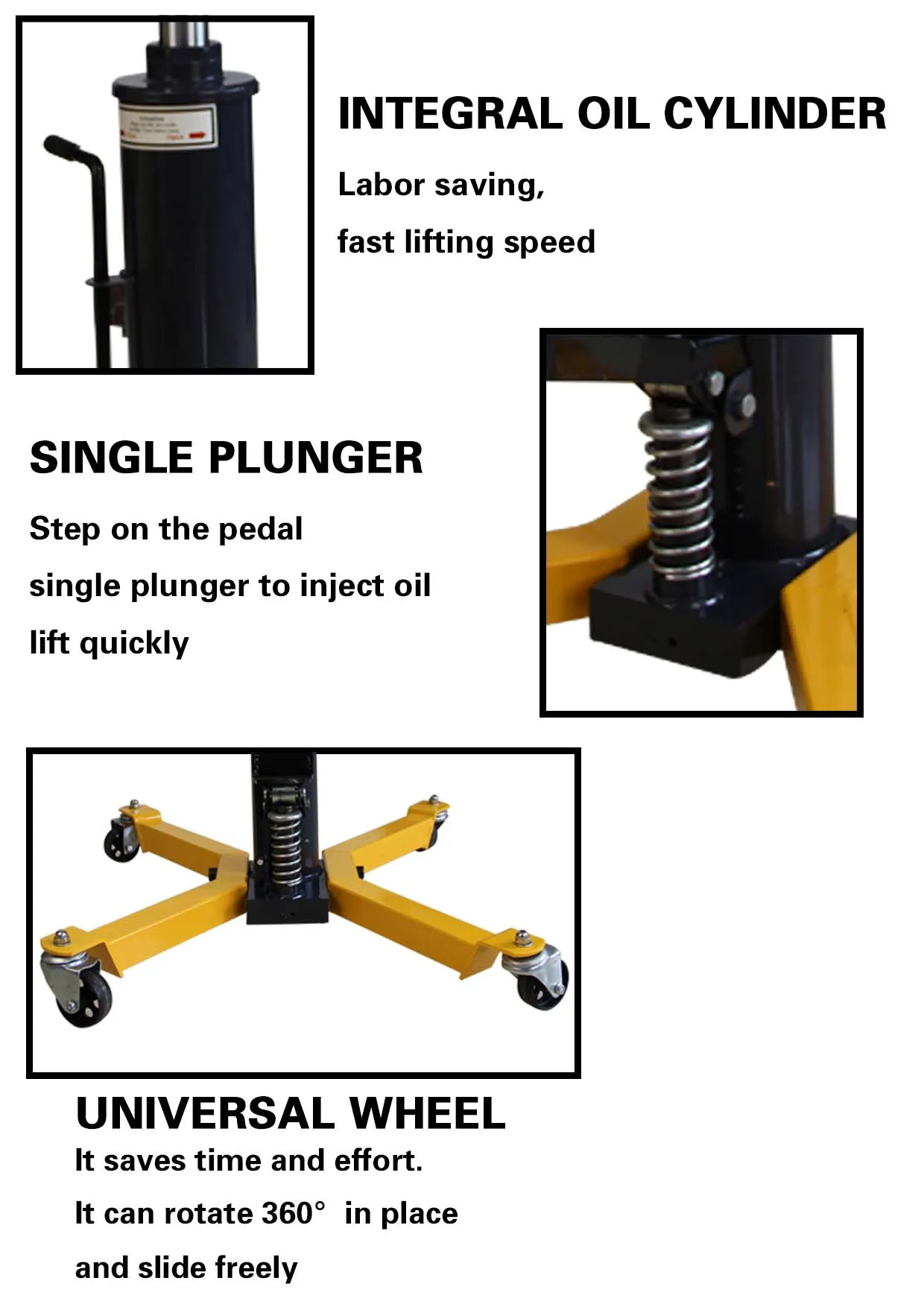
The primary materials used in car jack and jack stand manufacturing are steel alloys, specifically carbon steel and alloy steel. Carbon steel, commonly used in jack housings and lifting arms, is valued for its cost-effectiveness and ease of fabrication. However, it is susceptible to corrosion. Alloy steels, incorporating elements like manganese, chromium, and molybdenum, are favored for critical load-bearing components such as pawl pins, locking mechanisms, and stand bases, offering superior strength, ductility, and corrosion resistance. Manufacturing processes vary. Jacks commonly employ hydraulic systems, requiring high-precision machining of cylinders, pistons, and seals. Welding, specifically shielded metal arc welding (SMAW) or gas metal arc welding (GMAW), is critical for joining structural components. Jack stands typically involve stamping or forging processes to create the base and upright, followed by welding for assembly. Heat treatment processes, like quenching and tempering, are crucial for achieving desired hardness and toughness in steel components. Quality control during manufacturing focuses on weld integrity (radiographic inspection, ultrasonic testing), material composition verification (spectrometry), and dimensional accuracy (coordinate measuring machines – CMM). The performance of the hydraulic fluid is also vital, typically utilizing mineral oil-based fluids with viscosity grades selected for optimal pump performance and temperature stability. Chemical compatibility between the fluid and jack seals (typically nitrile rubber or Viton) must be maintained to prevent degradation and leakage.
Performance & Engineering
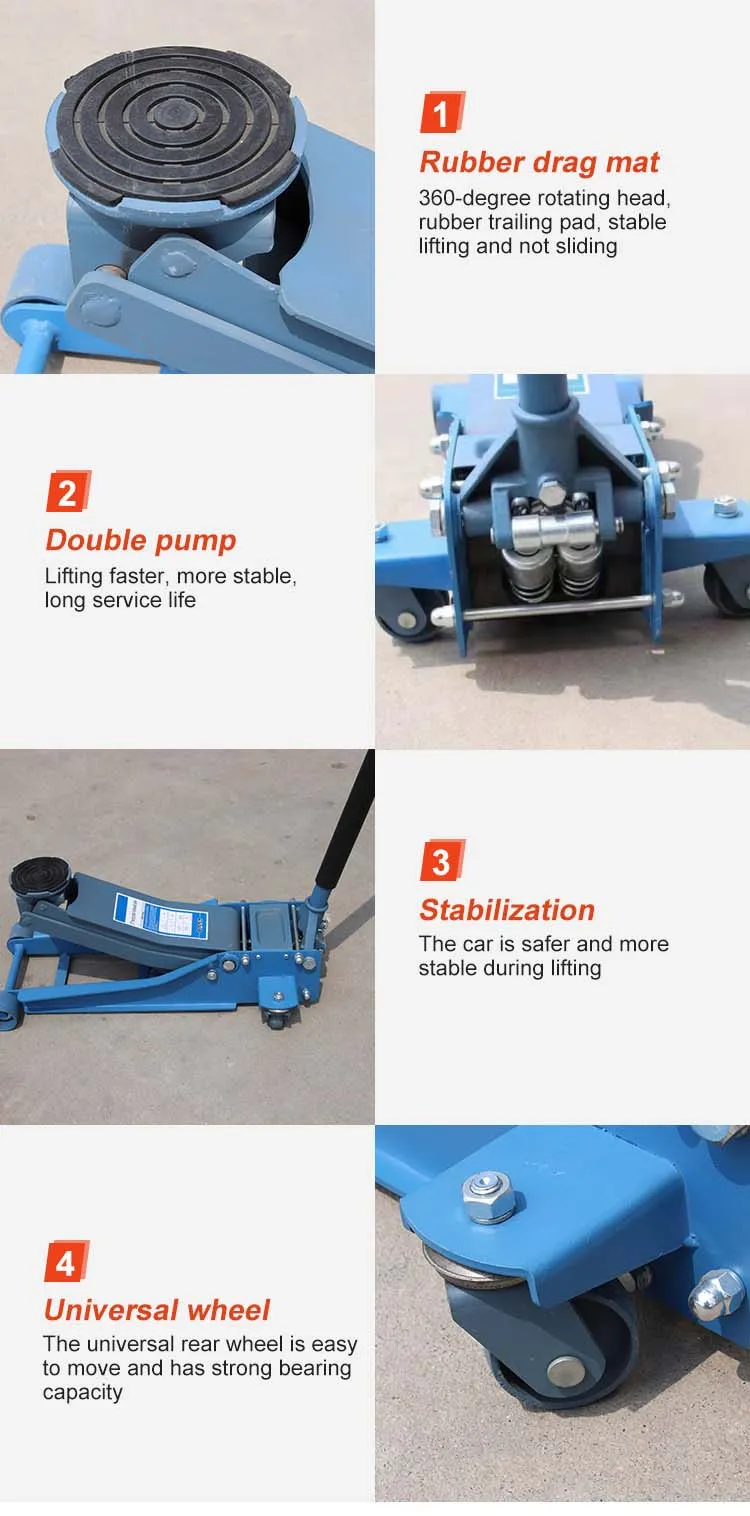
The performance of a car jack and jack stand combo is governed by principles of structural mechanics and material science. Force analysis focuses on stress distribution under load, considering both static and dynamic forces. The lifting capacity of the jack (measured in tons or kilograms) must exceed the vehicle’s weight. Jack stands are rated individually and should always be used in pairs. The stability of the jack stand is paramount; a wide base and a low center of gravity enhance resistance to tipping. Locking mechanisms, often utilizing a pawl and ratchet system, are critical for preventing unintentional lowering. Engineering considerations include the selection of appropriate safety factors to account for material variability and potential overload conditions. Fatigue analysis is crucial for components subjected to cyclic loading, such as the lifting arm and pawl pin. Environmental resistance is also a key factor. Exposure to moisture, road salt, and other corrosive agents can accelerate degradation. Powder coating or galvanization are common methods for enhancing corrosion resistance. Compliance requirements, such as those stipulated by ASME B30.23 for portable hydraulic jacks and jack stands, mandate minimum safety standards, including load testing, marking requirements, and operational instructions.
Technical Specifications
| Parameter | Car Jack (Hydraulic Bottle Jack - 2 Ton) | Car Jack (Floor Jack - 3 Ton) | Jack Stand (2 Ton Capacity) | Jack Stand (3 Ton Capacity) |
|---|---|---|---|---|
| Lifting Capacity | 2000 kg (4400 lbs) | 3000 kg (6600 lbs) | 2000 kg (4400 lbs) per stand | 3000 kg (6600 lbs) per stand |
| Minimum Lifting Height | 75 mm (3 in) | 70 mm (2.8 in) | 295 mm (11.6 in) | 305 mm (12 in) |
| Maximum Lifting Height | 380 mm (15 in) | 465 mm (18.3 in) | 420 mm (16.5 in) | 430 mm (17 in) |
| Material (Main Body) | Carbon Steel | Alloy Steel | Alloy Steel | Alloy Steel |
| Hydraulic Fluid Type | Mineral Oil | Mineral Oil | N/A | N/A |
| Locking Mechanism | None (requires stand) | Quick Release Valve | Pin Lock (multiple positions) | Pin Lock (multiple positions) |
Failure Mode & Maintenance
Common failure modes for car jacks and jack stands include hydraulic leaks in jacks, resulting from seal degradation or corrosion. In jack stands, failure often stems from yield or fracture of the steel components due to overload or fatigue cracking, particularly around weld points or pin holes. Pawl mechanisms can fail due to wear or deformation, preventing proper locking. Corrosion is a pervasive failure mechanism, weakening steel components and compromising structural integrity. Deformation of the jack stand base can occur if the stand is used on an uneven or unstable surface. Maintenance is critical for extending the lifespan and ensuring the safe operation of these tools. For jacks, regular inspection of hydraulic fluid levels and checking for leaks is essential. Periodic lubrication of moving parts minimizes friction and wear. For jack stands, visual inspection for cracks, deformation, or corrosion is crucial before each use. Pin locks should be cleaned and lubricated regularly. Avoid exceeding the rated load capacity and always use jack stands in pairs on a level surface. Store the tools in a dry environment to prevent corrosion. A complete tear-down and inspection with non-destructive testing (NDT) – such as dye penetrant inspection for cracks – should be performed annually by a qualified technician, especially in professional automotive environments.
Industry FAQ
Q: What is the primary difference between a hydraulic bottle jack and a floor jack in terms of structural integrity and application?
A: Hydraulic bottle jacks generally offer higher lifting capacity in a compact form, but their stability is lower due to their vertical lifting axis. Floor jacks, with their longer handle and wider chassis, provide greater leverage and stability, making them more suitable for frequent use and more controlled lifting. From a structural integrity standpoint, floor jacks typically utilize higher-grade alloy steels due to the increased stresses involved, making them more resistant to fatigue failure under consistent loading.
Q: How does the material grade of a jack stand's base influence its resistance to deformation under load?
A: Higher-grade alloy steels with increased yield strength and hardness significantly improve a jack stand's resistance to deformation. A steel base with a higher carbon content and the addition of alloying elements like manganese and chromium will exhibit greater resistance to plastic deformation, even under sustained load. The base's geometry, including its thickness and width, also plays a crucial role in distributing the load and preventing localized stress concentrations.
Q: What are the implications of using a jack stand with a locking mechanism that exhibits excessive play or looseness?
A: Excessive play in the locking mechanism compromises the jack stand’s ability to securely hold the vehicle’s weight. This can lead to a gradual lowering of the vehicle, potentially resulting in a catastrophic collapse. Regular inspection and replacement of worn pawls and springs are critical to maintaining the integrity of the locking system.
Q: How does the choice of hydraulic fluid impact the long-term performance and reliability of a hydraulic jack?
A: The hydraulic fluid’s viscosity, thermal stability, and compatibility with the jack’s seals are crucial. Using an incorrect fluid can lead to decreased pump efficiency, increased wear on internal components, and seal degradation, resulting in leaks and eventual jack failure. Mineral oil-based fluids are common, but synthetic fluids offer improved performance in extreme temperatures.
Q: What non-destructive testing methods are commonly employed during the manufacturing process to ensure the quality and integrity of jack stand welds?
A: Radiographic testing (X-ray) and ultrasonic testing are the most common non-destructive testing methods used to inspect welds. Radiography reveals internal flaws, such as porosity or cracks, while ultrasonic testing detects surface and subsurface defects. Dye penetrant inspection is also used to identify surface cracks. These methods ensure that welds meet the required strength and integrity standards.
Conclusion
Car jack and jack stand combos represent a critical safety system within the automotive maintenance landscape. Their reliable operation depends on careful material selection, precise manufacturing processes, and adherence to stringent performance standards. Understanding the underlying engineering principles – encompassing force analysis, fatigue behavior, and corrosion prevention – is essential for both manufacturers striving to deliver robust products and users seeking to ensure their safe and effective deployment.
Looking ahead, advancements in material science, such as the development of higher-strength lightweight alloys, may lead to lighter and more durable jack and jack stand designs. Furthermore, the integration of smart sensors and monitoring systems could provide real-time feedback on load distribution and structural integrity, enhancing safety and predictive maintenance capabilities. Continued adherence to and refinement of industry standards, like those provided by ASME, will remain paramount to ensuring user safety and preventing catastrophic failures.
