Introduction
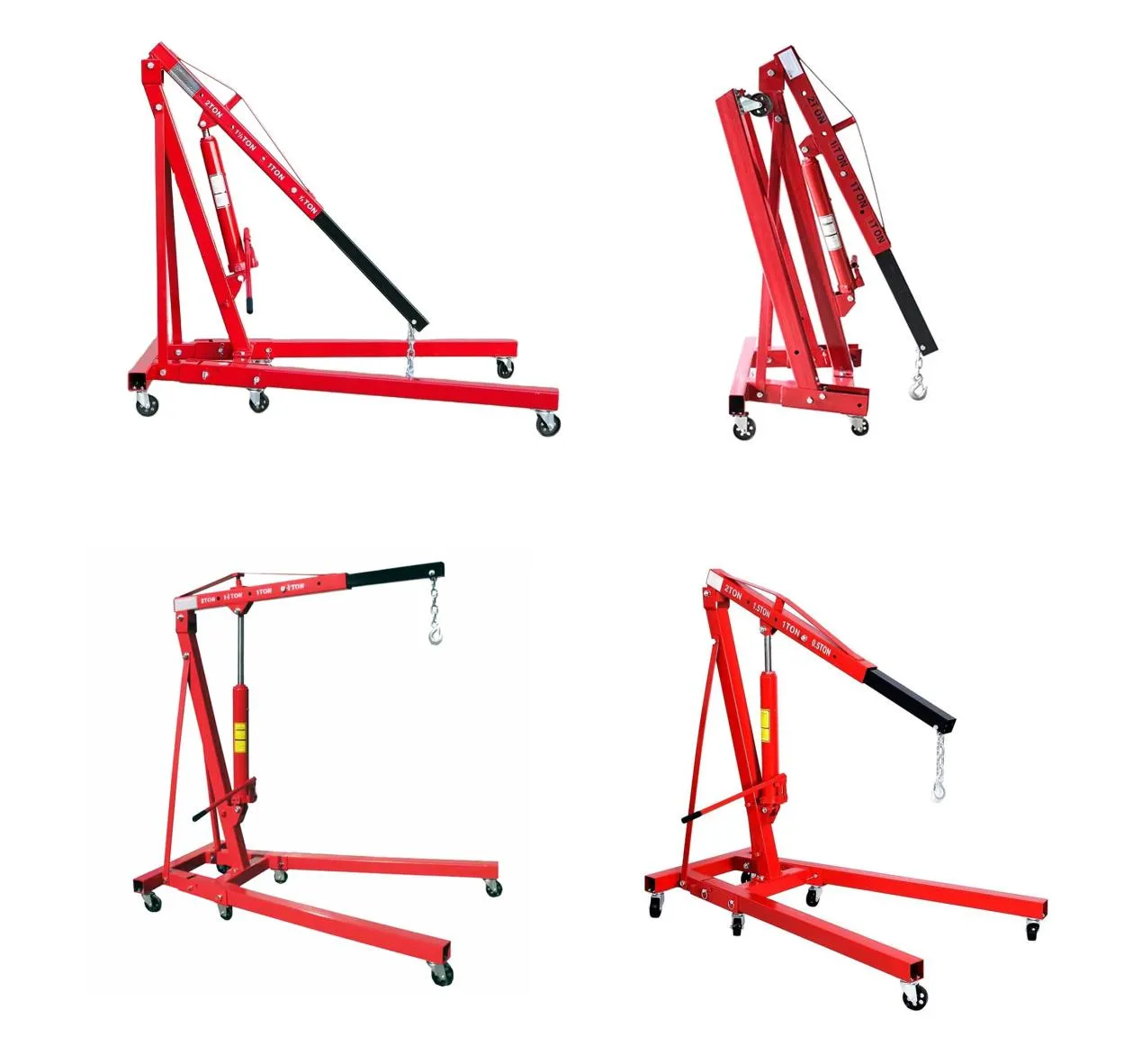
Trolley jacks and jack stands represent fundamental lifting and support equipment within automotive maintenance, industrial repair, and construction sectors. A trolley jack (hydraulic floor jack) employs hydraulic force to lift heavy loads, offering mobility and adjustable height. Jack stands, conversely, provide static support after lifting, ensuring worker safety during maintenance or repair procedures. These devices are positioned within the vehicle servicing equipment supply chain, relying on material science, precision engineering, and adherence to stringent safety standards. Core performance characteristics include lifting capacity, minimum and maximum height ranges, stability under load, and operational safety features like overload protection and controlled lowering mechanisms. The industry faces ongoing challenges related to increasing vehicle weights, demanding higher capacity equipment, and the need for enhanced safety features to mitigate risks associated with improper use or component failure.
Material Science & Manufacturing
The construction of trolley jacks and jack stands utilizes a combination of high-strength steel alloys, hydraulic fluids, and polymer components. Steel, typically AISI 1045 or equivalent carbon steel, is chosen for its high yield strength and weldability in critical structural elements like the jack’s frame, lifting arm, and jack stand base. The steel undergoes heat treatment processes (quenching and tempering) to enhance hardness and toughness, resisting deformation under load. Hydraulic cylinders employ honed cylinder walls with a surface finish optimized for sealing efficiency, typically utilizing 4140 alloy steel for increased durability. Seals within the hydraulic system are commonly composed of nitrile rubber (NBR) or hydrogenated nitrile butadiene rubber (HNBR) for compatibility with hydraulic fluids and resistance to wear. Jack stand pawl pins utilize spring steel (e.g., SAE 675) to maintain elasticity and engagement force. Manufacturing processes involve steel fabrication through cutting, bending, and welding, followed by hydraulic cylinder assembly and rigorous pressure testing. Jack stands utilize stamped steel components for base plates and locking mechanisms, often with robotic welding for consistent quality. Polymer components, such as handles and safety lock releases, employ polypropylene or reinforced nylon for impact resistance and ergonomic design. Parameter control during manufacturing focuses on weld integrity (radiographic inspection), hydraulic fluid purity (particle counting), and dimensional accuracy of critical components (coordinate measuring machines).
Performance & Engineering
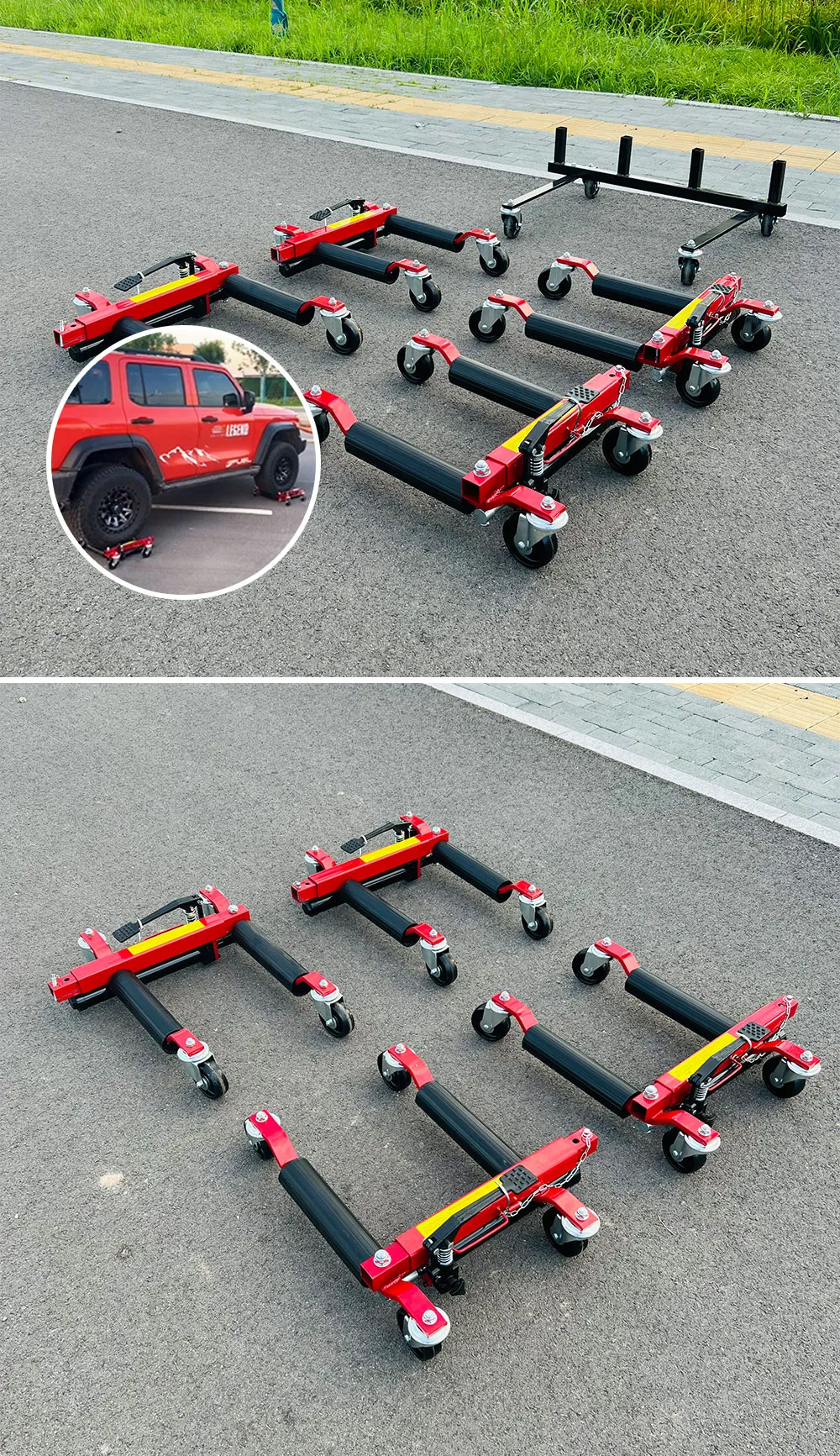
Performance analysis of trolley jacks and jack stands revolves around stress analysis, fatigue resistance, and stability calculations. Force analysis dictates the required material thickness and geometry to withstand anticipated loads, considering both static and dynamic forces. Finite Element Analysis (FEA) is employed to model stress distribution within critical components, identifying potential failure points. The hydraulic system is engineered to deliver consistent lifting force with minimal pressure loss, governed by Pascal's Law and fluid dynamics principles. Stability is paramount, particularly for jack stands. The base footprint and center of gravity must be optimized to prevent tipping under load, calculated using statics principles. Jack stands incorporate multiple locking positions to accommodate varying heights and ensure secure support. Compliance requirements include adherence to ASME B30.23 (for hydraulic jacks) and equivalent international standards. Environmental resistance is addressed through protective coatings (powder coating or zinc plating) to prevent corrosion in harsh environments. Operational safety relies on features such as overload relief valves (preventing exceeding maximum capacity), controlled lowering valves (preventing rapid descent), and robust locking mechanisms. Long-term durability is assessed through accelerated life testing, simulating years of use under demanding conditions.
Technical Specifications
| Parameter | Trolley Jack (2 Ton Capacity) | Jack Stand (2 Ton Capacity - Single) | Unit |
|---|---|---|---|
| Lifting Capacity | 2000 kg (4400 lbs) | 2000 kg (4400 lbs) | kg / lbs |
| Minimum Lifting Height | 75 mm (3 in) | 295 mm (11.6 in) | mm / in |
| Maximum Lifting Height | 530 mm (20.9 in) | 430 mm (16.9 in) | mm / in |
| Hydraulic Fluid Type | Hydraulic Oil (ISO VG 32) | N/A | - |
| Base Width | 220 mm (8.7 in) | 150 mm (5.9 in) | mm / in |
| Net Weight | 35 kg (77 lbs) | 4.5 kg (10 lbs) | kg / lbs |
Failure Mode & Maintenance
Failure modes in trolley jacks and jack stands commonly include hydraulic seal degradation (leading to pressure loss), metal fatigue cracking (in welded joints or structural components), corrosion (due to environmental exposure), and pawl pin wear or breakage (in jack stands). Hydraulic seal failure manifests as a slow or inconsistent lifting action. Metal fatigue cracking typically initiates at stress concentration points, such as weld toes or sharp corners, propagating under cyclic loading. Corrosion weakens structural integrity, particularly in exposed environments. Pawl pin failure results in a loss of locking capability, posing a serious safety hazard. Maintenance procedures include regular inspection of hydraulic fluid levels and condition, lubrication of moving parts (lifting arm pivot points, jack stand pawls), and visual inspection for signs of corrosion, cracks, or damage. Hydraulic fluid should be changed periodically (typically every 12-24 months) to maintain optimal performance and prevent sediment buildup. Worn or damaged seals should be replaced promptly. Welded joints should be periodically inspected for cracks using non-destructive testing methods (e.g., dye penetrant inspection). Jack stands should be stored in a clean, dry environment to prevent corrosion. Load testing should be performed periodically to verify the equipment’s lifting capacity and stability.
Industry FAQ
Q: What is the correct procedure for using jack stands to ensure safety?
A: Always use jack stands in pairs, positioned on a level and solid surface. Lift the vehicle with a trolley jack to the desired height, then carefully position the jack stands under designated lift points (refer to the vehicle’s owner’s manual). Slowly lower the vehicle onto the jack stands, ensuring they are securely engaged. Never work under a vehicle supported solely by a jack – jack stands are essential for safe support. Before starting work, gently rock the vehicle to confirm stability.
Q: How often should the hydraulic fluid in a trolley jack be replaced?
A: Hydraulic fluid should be replaced every 12-24 months, or more frequently if the jack is used extensively in dirty or harsh environments. Contaminated fluid can cause internal corrosion and damage to seals, reducing lifting efficiency and potentially leading to failure.
Q: What are the common causes of a trolley jack leaking hydraulic fluid?
A: Leaks are typically caused by worn or damaged seals within the hydraulic cylinder or pump. Also, external damage to the cylinder or hose can cause leaks. Inspect seals, hoses, and connections for signs of wear, cracks, or damage, and replace components as needed.
Q: What material are jack stand pawls typically made from, and why?
A: Jack stand pawls are typically made from spring steel (e.g., SAE 675) due to its high yield strength and elasticity. This allows the pawl to maintain a firm grip on the locking notches, providing secure support even under dynamic loads. The spring steel must retain its shape and spring force over prolonged use.
Q: How can I identify potential stress cracks in a jack stand?
A: Visually inspect all welded joints and high-stress areas (around the base and pawl engagement points) for cracks. Use a magnifying glass for a closer examination. Dye penetrant inspection is a more thorough method for detecting surface cracks that may not be visible to the naked eye. If cracks are detected, the jack stand should be immediately removed from service.
Conclusion
Trolley jacks and jack stands are critical components of vehicle maintenance and repair, demanding careful selection, proper usage, and consistent maintenance. The materials and manufacturing processes employed directly influence their performance, durability, and, most importantly, safety. Understanding the engineering principles governing their operation – hydraulics, stress analysis, and stability – is crucial for ensuring reliable and safe lifting operations.
Future developments will likely focus on lighter-weight materials (e.g., aluminum alloys), improved hydraulic system designs for enhanced efficiency and reduced fluid leakage, and integration of smart features such as load monitoring and remote control. Continued adherence to industry standards and proactive maintenance programs remain paramount for minimizing risk and maximizing the lifespan of these essential pieces of equipment.
